
The Evolution of Modern Masculinity: How Society's Expectations Are Changing
Redefining Masculinity: From Stoic Stereotypes to Fluid Identities in the 21st Century

Introduction: Challenging the Traditional View of Manhood
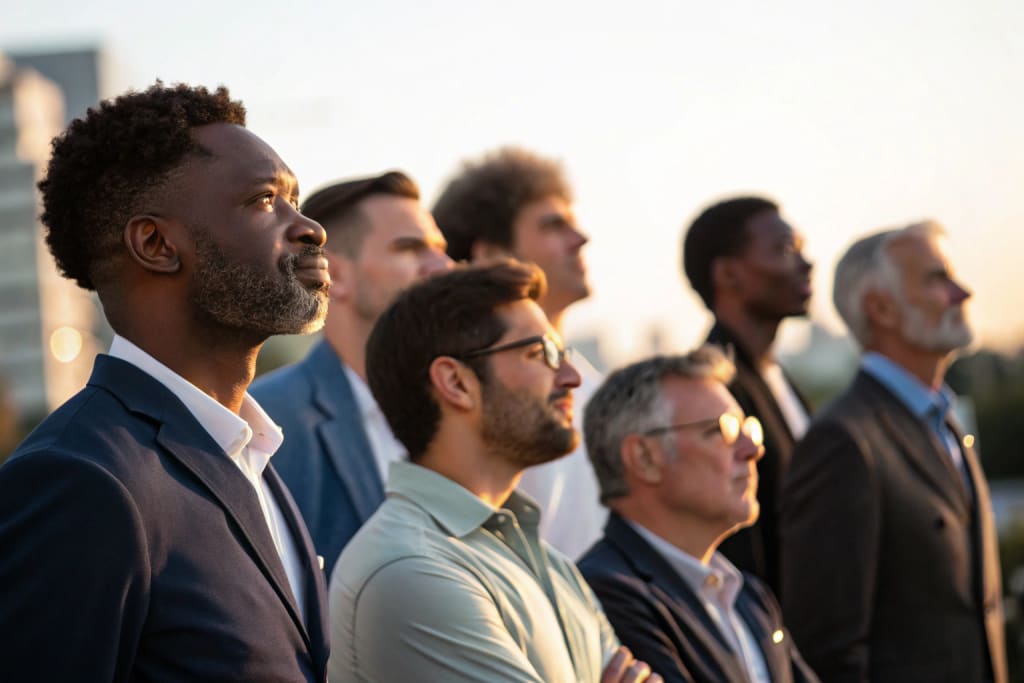
Masculinity has been defined for centuries by rigorous expectations—strength, toughness, dominance, and control over emotions. These have been touted as the very definition of being a man. But in the 21st century, those same old ideals are being pushed against and reconfigured by social movements such as feminism, LGBTQ+ rights, and better awareness of mental health. Masculinity nowadays is increasingly understood through a broader, more nuanced context of embracing vulnerability, emotional intelligence, and gender fluidity.
As ideas about manhood change, we are at a crossroads: How do modern men navigate a more complex social world and stay true to themselves? How do they reconcile old expectations with new realities? This article explores the changing contours of masculinity, looking at how men's expectations have evolved through the centuries and what that means for identity in modern culture.
The Historical Roots of Masculinity
Masculinity is grounded in a long history, forged through centuries of cultural, social, and political forces. Western cultures have long identified the "manly man" with the physical strength, the ability to provide for and protect one's household, and the robustness of temperament in the face of adversity. All these were amplified by the industrial revolution, with physical labor and brutish force being metaphors for masculinity.
In the majority of pre-industrial societies, manliness was aligned with survival activities: hunting, fighting, and protecting the group. But when there was the advent of modern technology, this traditional model of masculinity began to shift. Men no longer had to perform physically demanding work on a daily basis. Instead, social pressure moved toward a domesticated variety of manhood—one that balanced work and home life, but still made room for ideals of stoicism and emotional regulation.
With the passing of the 20th century, masculinity models were increasingly being questioned. Feminist and civil rights movements caused society to question traditional norms and, in doing so, began making space for non-traditional masculinity that was not included in the conventional models.
The Influence of Media and Culture on Masculine Norms
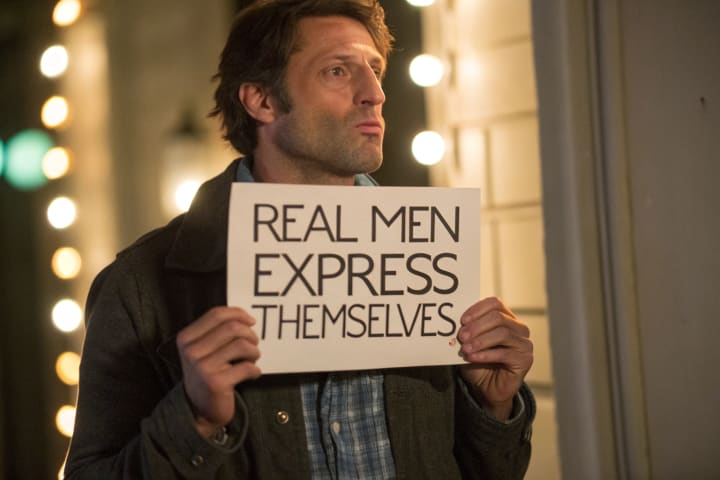
Throughout the 20th century, the media has been one of the prime forces reinforcing traditional notions of masculinity. Films, advertisements, and television shows routinely portrayed men as hard, tough, and emotionless figures, stereotypically presenting that to be a man is to cover up one's frailties. Such figures as John Wayne, Clint Eastwood, and action heroes like Arnold Schwarzenegger were the yardstick of masculinity, symbolizing virility and stamina.
But it gradually changed with the culture of the media. The 1990s saw increasing diverse representation of men in popular culture. The icon of Will Smith as the 'soft' dad in The Pursuit of Happyness and the emergence of the "metrosexual" male—those who embraced fashion, hairstyling, and male grooming—began softly rewriting masculinity. The emergence of social media and platforms like Instagram and YouTube further boosted varied portrayals of masculinity since men were able to present an even wider range of identities and experiences.
At the same time, advertising culture and popular culture increasingly accepted that men can be both strong and sensitive. Products targeted at males began to emphasize themes of self-care and mental health, which marked the starting point of a more integrated concept of masculinity. For the first time in human history, mainstream culture openly questioned traditional ideals of masculinity.
How Men's Roles in Society Have Evolved
In the Family
Historically, the role of men in the family had been as breadwinner and protector. However, in the last few decades, changes have been happening on a grand scale. Men are increasingly and increasingly becoming caregivers and hands-on participants in parenting. In these days and age, the image of the emotionally available and involved father is no longer peculiar but expected.
The growing acceptance of stay-at-home dads and the rise of two-income households have also altered family roles. The assumption that men should be the sole providers no longer applies, and women are now entering the workforce more than ever before. What comes after that is a reassessment of what it means to be a "man" in the context of the home—where emotional support, communication, and being an active participant in domestic work are equal to economic provision.
In the Workplace
The workplace has also undergone a redefinition of how masculinity is perceived. The corporate world, once dominated by men, has gradually moved towards promoting diversity, inclusivity, and sensitivity—traits once called "feminine." This has brought about a more equitable form of leadership wherein emotional intelligence and teamwork are valued alongside the conventional metrics of productivity and assertiveness.
But in the face of all this, the pressure that men still have to be able to dominate, to be "alpha" in the workplace is great, especially in traditionally male fields. Even as these industries transition slowly, the question is: How do men balance the desire for power and dominance with the new requirement for emotional awareness and sensitivity?

The Impact of Mental Health and Emotional Expression
Perhaps the most significant development of masculinity in modern times is the greater emphasis on emotional expression and mental well-being. For most of history, men have been taught to suppress their feelings, crying or being vulnerable a sign of weakness. This has created what most refer to as the "stoic man," whose emotional life is suppressed in order to be strong.
The heightened awareness of mental illness has been the primary game-changer in redefining masculinity. Men are more than ever ready to discuss mental illness issues like depression, anxiety, and PTSD. Celebrity figures and public personalities like Prince Harry, Dwayne "The Rock" Johnson, and Justin Bieber have discussed their struggles with mental illness, helping to de-stigmatize vulnerability and emotional expression for men around the world.
There is a growing shared understanding that vulnerability is not weakness but a path towards strength. With more men speaking up about their vulnerabilities, it becomes more and more clear that mental health and masculinity don't need to exclude each other.
The Role of Fatherhood and Masculinity in a Changing World
Fatherhood has long been a pillar of traditional masculinity. Fathers were once disciplinarians, dominant characters who maintained a strict distance from the emotional lives of children. Today, however, fatherhood is being reimagined. Modern dads are taking on nurturer roles and are taking an active role in children's emotional growth.
Fatherhood is now a domain where expressiveness of emotions and bonding have emerged as essential aspects of masculinity. Men are now more expected to be emotionally present and involved in the lives of their children, shattering the traditional image of fatherhood as an unfeeling, distant figure. This is most evident among the younger generations, who perceive fatherhood not only as an obligation but also as a avenue for emotional bonding and growth.
How Younger Generations Are Redefining Masculinity
The younger Millennials and Gen Z generations are probably the most vocal in rejecting the older versions of masculinity. With increasing campaigns like #MeToo, Black Lives Matter, and LGBTQ+ activism, young men are being exposed to more comprehensive, more expansive definitions of what a man is. Young men are starting to embrace the idea that masculinity is not a fixed category, but rather a cluster of identities and performances.
Young men are also more concerned with subjects like gender equality and LGBTQ+ rights, and most see traditional masculinity as limiting. They are struggling to achieve a more fluid, expansive understanding of masculinity that can allow more expression, whether this is in fashion, emotion, or identity. This is a significant shift from the stoic, emotionally stoic men of previous generations.
The Importance of Accepting Diverse Expressions of Masculinity
With the changing nature of what constitutes masculinity, it is needed to recognize that there is no one-size-fits-all solution. As women have expanded their roles in society away from the norm, the same may hold true for men being permitted to self-define without reprimand or repression. Embracing a plurality of masculinity, from the sensitive and introspective man to the assertive and ambitious man, is crucial towards the creation of a more inclusive society.
Understanding that masculinity is not a rigid set of traits, but a moving spectrum, allows men to find authenticity in self-expression. Those outdated, restrictive notions of what a man is or ought to be are no longer relevant in this new era. Instead, we must celebrate the many faces of manhood and understand that to be a man in the 21st century is to be free to be vulnerable, ambitious, kind, and strong—in your own terms.
Conclusion: Embracing the Evolving Idea of Manhood
The building of modern masculinity is an ongoing process. As expectations shift in society, the possibility for men to define themselves on their own terms has never been greater. The task remains: to move beyond outdated stereotypes and embrace a more capacious, compassionate idea of manhood with space for emotional depth, receptivity, and uniqueness.
As we move forward, it's essential to recognize that masculinity is not a single ideal but a variety of expressions that include the entire range of human experience. In embracing various expressions of masculinity, we can create a more real, healthy, and diverse society in which men—and everybody—is free to be themselves without fear or judgment.
About the Creator
The Chaos Cabinet
A collection of fragments—stories, essays, and ideas stitched together like constellations. A little of everything, for the curious mind.
Keep reading
More stories from The Chaos Cabinet and writers in Men and other communities.
The Psychology of Storytelling: Why Humans Are Hardwired for Stories
From flickering cave shadows in the distant past to the vibrant universes of the cinema today, storytelling has been at the center of human existence. Across every culture and across every century, human beings have gathered to share stories—myths of beginnings, epic poems of heroes, cautionary tales, and personal histories. Stories are not entertainment alone; they are a way of making sense of the world, of passing knowledge, and of bonding with others. They build societies, convey moral codes, and even guide behavior.
By The Chaos Cabinet6 months ago in Earth
Beating The Odds And Doctor Death
Hello Death To think that I was happy, content, and comfortable just a few short years ago, makes me long for the past. When everything changed, it all spiraled pretty fast. And yet, out of all the constant ickyness, somehow the need to survive and fight back hasn't died off in me.
By Jason Ray Morton a day ago in Men


Comments
There are no comments for this story
Be the first to respond and start the conversation.