
Testosterone Killing Foods
Explore the importance of avoiding nutrient deficiencies and maintaining a balanced diet to support testosterone production and overall health.
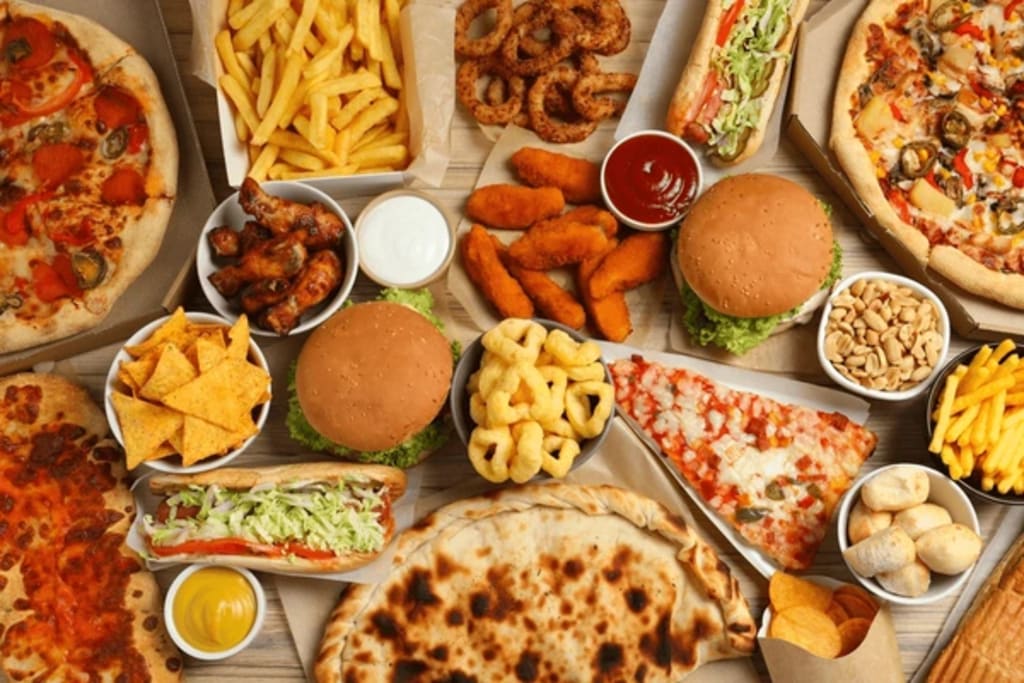
Importance of Testosterone in Men's Health
Testosterone is the powerhouse hormone driving men's health. It’s responsible for regulating muscle mass, energy levels, and even mood.
This crucial hormone also plays a vital role in maintaining bone density and influencing fat distribution. However, many factors can disrupt testosterone levels, leading to a range of health issues. Understanding these factors is key to maintaining optimal health.
One often overlooked aspect is diet. The foods you consume can significantly impact your testosterone levels. By identifying and eliminating testosterone-killing foods, you can take a proactive step toward better health. This blog post dives into the foods that could be harming your hormones and offers healthier alternatives to keep your testosterone levels in check.
Foods That Lower Testosterone Levels
Here are 3 testosterone killing foods
Processed Foods
Processed foods are laden with unhealthy fats, sugars, and additives that can wreak havoc on your hormonal balance. These foods often contain trans fats, which are known to decrease testosterone levels. Additionally, the high sugar content in processed foods can lead to insulin spikes, negatively affecting your hormone levels.
Soy Products
Soy products like tofu, soy milk, and edamame are rich in phytoestrogens. These plant-based compounds mimic estrogen in the body, potentially leading to a decrease in testosterone levels. While soy has its health benefits, excessive consumption can disrupt your hormonal balance.
Alcohol
While an occasional drink may not be harmful, excessive alcohol consumption can significantly lower testosterone levels. Alcohol affects the liver's ability to metabolize hormones, leading to an increase in estrogen levels and a decrease in testosterone.
The Science Behind Testosterone and Diet
How Foods Affect Hormone Production
Understanding the science behind how certain foods affect hormone production can help you make informed dietary choices. Foods high in unhealthy fats and sugars can lead to increased inflammation and oxidative stress, both of which negatively impact testosterone production.
Research Findings
Studies have shown that diets high in trans fats can reduce testosterone levels by up to 15%. Similarly, excessive sugar intake can lead to insulin resistance, which is closely linked to lower testosterone levels. Research also indicates that consuming phytoestrogens from soy can lead to a significant decline in testosterone levels in men.
Hormonal Balance and Nutrient Absorption
The nutrients you consume play a crucial role in hormone production and balance. For example, zinc and vitamin D are essential for maintaining healthy testosterone levels. Diets lacking in these nutrients can lead to hormonal imbalances and decreased testosterone production.
Practical Tips for Maintaining Healthy Testosterone Levels
Choose Whole Foods
Opt for whole foods that are rich in essential nutrients. Foods like lean meats, fish, fruits, and vegetables provide the vitamins and minerals needed to support healthy testosterone levels. Avoid processed foods and focus on natural, nutrient-dense options.
Limit Alcohol and Soy Intake
Moderation is key when it comes to alcohol and soy products. Limit your intake to avoid the negative hormonal effects associated with these foods. Instead, opt for healthier alternatives like water, herbal teas, and non-soy plant-based proteins.
Stay Hydrated
Hydration is essential for overall health and hormone production. Drinking plenty of water helps your body metabolize and produce hormones efficiently. Aim for at least eight glasses of water a day to support optimal hormonal balance.
The Role of Exercise in Hormone Health
Strength Training
Strength training exercises like weightlifting can significantly boost testosterone levels. These exercises promote muscle growth and increase metabolic rate, both of which are essential for maintaining healthy hormone levels.

Cardiovascular Exercise
Cardiovascular exercise, such as running or cycling, improves overall health and helps regulate hormone levels. Regular cardio workouts can help reduce stress, improve mood, and support healthy testosterone levels.
Balanced Workout Routine
A balanced workout routine that includes both strength training and cardiovascular exercise is ideal for maintaining optimal hormone levels. Combining different types of exercises ensures that all aspects of your health are addressed.
Alternative Food Choices for Better Hormone Health
Healthy Fats
Incorporate healthy fats like avocados, nuts, and olive oil into your diet. These fats are essential for hormone production and can help maintain healthy testosterone levels. Avoid trans fats and focus on consuming unsaturated fats.
Lean Proteins
Lean proteins like chicken, turkey, and fish provide the necessary building blocks for hormone production. These proteins are rich in amino acids, which are essential for maintaining muscle mass and supporting overall health.
Cruciferous Vegetables
Cruciferous vegetables like broccoli, cauliflower, and Brussels sprouts contain compounds that help regulate estrogen levels. These vegetables support hormonal balance and can help maintain healthy testosterone levels.
The Importance of a Balanced Diet
Nutrient-Rich Foods
Eating a balanced diet rich in nutrients is crucial for maintaining overall health and hormone levels. Ensure that your diet includes a variety of foods to provide the necessary vitamins and minerals for hormone production.
Avoiding Nutrient Deficiencies
Nutrient deficiencies can lead to hormonal imbalances and decreased testosterone levels. Make sure to consume a variety of foods to avoid deficiencies and support optimal hormone health.
Long-Term Health Benefits
Maintaining a balanced diet not only supports hormone health but also promotes long-term well-being. A nutrient-rich diet can reduce the risk of chronic diseases, improve energy levels, and enhance overall quality of life.
Conclusion
In conclusion, your diet plays a pivotal role in maintaining healthy testosterone levels. By identifying and eliminating testosterone-killing foods, you can take proactive steps to improve your hormonal balance.
Focus on consuming whole foods, staying hydrated, and incorporating a balanced workout routine to support overall health.
Remember, achieving optimal hormone health is a continuous process. Stay informed, make mindful dietary choices, and seek professional advice if needed. Share this post with your friends, comment below with your thoughts, and engage with our community to learn more about maintaining healthy testosterone levels.
For personalized advice and further resources, consider consulting with a healthcare professional. Together, we can work towards a healthier, more balanced life.
About the Creator
Keep reading
More stories from Stella Gonzalez and writers in Men and other communities.
5 Subtle Signs of Strong Reproductive Vitality in Men
There’s an old saying that the body whispers before it shouts. We’re conditioned to measure health in loud, obvious metrics: the number on a scale, the definition of a bicep, the results of a blood test. But true vitality—the kind that fuels not just daily energy but our very biological potential—often manifests in quieter, more subtle ways.
By namkoong kevin2 days ago in Men
Close Friendships
I met Lou in the spring of 2019. I was recently widowed, trying to find my place in the world without my wife of 39 years. I met him on the tennis court. He was the convener of a mixed doubles drop-in session. I was picking up activities I had not done since I was a teenager. The funeral director had warned me that I needed a social network, that otherwise I would just hang around the house and fade away. We had just moved to a new city four months previous, so this was a concern for me. I had written "Tennis? Bridge?" on a note pad as ideas for meeting people.
By Paul A. Merkley7 days ago in Men



Comments (1)
OMG, I so much enjoyed it and yes , I literally learnt stuff . Fantastic content , I subscribed to you and you can check out my articles and reciprocate also . Looking forward to more of ya stuff