
Sitting Feels Like A Torture? Here’s How to Relieve Perineal Pain Caused by Prostatitis
How to Relieve Perineal Pain Caused by Prostatitis
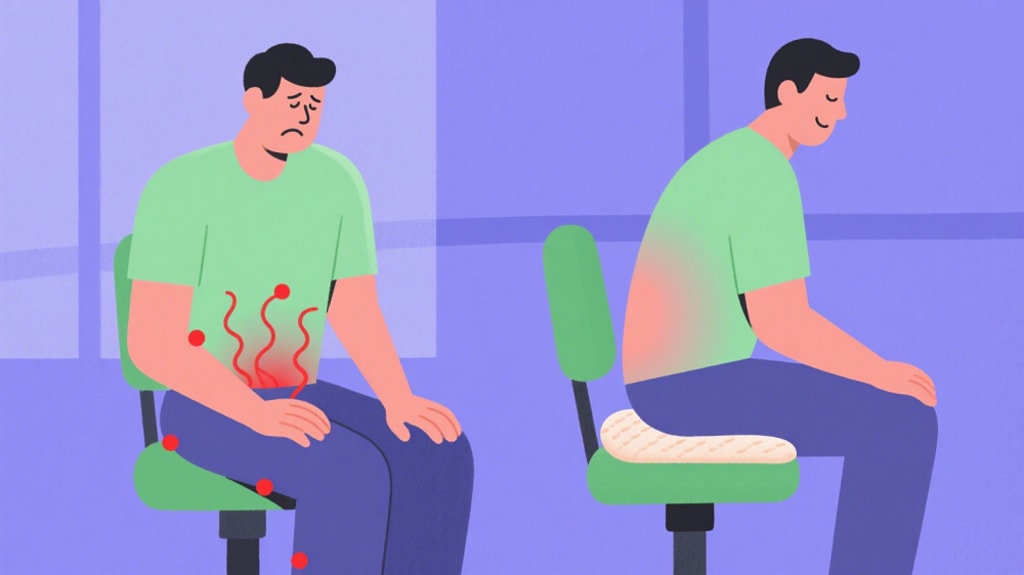
Prostatitis is one of the most common conditions affecting men, and perineal pain is often the symptom that drives them to seek medical help. This discomfort can feel like a dull ache, heaviness, or pressure in the perineum, groin, or lower abdomen — sometimes so severe that sitting for long periods becomes unbearable.
Statistics suggest that nearly 50% of men will experience prostatitis-related symptoms at some point in their lives, and perineal pain ranks among the most typical complaints. In this article, we’ll break down the science behind why prostatitis triggers this pain, and share evidence-based approaches — from medication to lifestyle adjustments — to help you find relief.
Why Prostatitis Causes Perineal Pain
Inflammation is the primary culprit
Inflammation of the prostate causes tissue swelling and congestion, which irritates pelvic nerve endings. This irritation radiates to the perineum, groin, or lower abdomen, with pain intensity often correlating with the degree of inflammation.
Pelvic floor muscle tension creates a vicious cycle
Chronic inflammation can lead to persistent spasm of the pelvic floor muscles, compressing nearby nerves and blood vessels. Pain then increases muscle tension further, worsening the symptoms — especially in people who sit for long periods.
Lifestyle habits that make it worse
Prolonged sitting, holding in urine, eating spicy foods, and drinking alcohol can all increase prostate congestion and inflammation. Simply improving these habits can reduce symptoms in about 30% of patients.
Effective Ways to Relieve Perineal Pain
1. Medications
a. Traditional Chinese Medicine (TCM)
TCM offers unique benefits for managing prostatitis. Herbal formulas such as Diuretic and Anti-inflammatory Pill and Longbi Shu are known for clearing heat, removing dampness, improving circulation, and reducing pain. The Diuretic and Anti-inflammatory Pill can be tailored to individual symptoms, making it especially suitable for recurrent or stubborn cases.
b. Antibiotics
For bacterial prostatitis, antibiotics remain the cornerstone of treatment. After lab tests confirm infection, doctors may prescribe antibiotics that penetrate prostate tissue well, such as fluoroquinolones (levofloxacin), tetracyclines (doxycycline), or certain cephalosporins. Courses typically last 2–4 weeks, and it’s critical to complete the full treatment to prevent resistance and relapse. Non-bacterial prostatitis — which makes up 30–40% of cases — does not require antibiotics.
c. Non-steroidal anti-inflammatory drugs (NSAIDs)
NSAIDs like ibuprofen and celecoxib work by reducing inflammation and can quickly ease perineal discomfort. However, they should be used with caution in patients with gastrointestinal issues, and for no more than one week without medical supervision.
d. Alpha-blockers
Medications like tamsulosin and doxazosin relax smooth muscles in the urethra and pelvic floor, improving urination and relieving pain. They usually need 2–4 weeks for full effect, and may cause side effects such as dizziness or retrograde ejaculation.
2. Physical Therapy
Heat therapy & warm sitz baths
Applying a warm compress or taking a 15–20 minute sitz bath daily increases blood flow in the prostate area, speeds healing, and relaxes muscle tension.
Prostate massage
When done by a trained professional, massage helps drain congested prostatic fluid, reduce local pressure, and improve drug penetration. It should be avoided in acute bacterial prostatitis.
Biofeedback therapy
This modern method uses sensors to monitor pelvic floor activity, teaching patients to consciously relax overactive muscles.
3. Lifestyle Adjustments
Dietary changes: Drink more water to aid metabolism, eat foods rich in zinc and vitamin E (such as pumpkin seeds, nuts, and tomatoes), and avoid alcohol, caffeine, spicy foods, and high-fat diets.
Movement habits: Avoid prolonged sitting by standing up every 40–50 minutes. Use a prostate cushion with a central cutout to reduce perineal pressure. Low-impact exercises like walking and swimming are beneficial, but avoid cycling or other activities that put direct pressure on the perineum.
Mental well-being: Chronic prostatitis often coexists with anxiety or depression. Cognitive-behavioral therapy, mindfulness, or relaxation exercises can help break the pain–stress–tension cycle.
4. Other Supportive Therapies
Extracorporeal shockwave therapy (ESWT): Uses acoustic energy to disrupt pain receptors, stimulate blood vessel growth, and promote tissue repair.
TCM techniques: Acupuncture on points like Guanyuan, Zhongji, and Sanyinjiao can improve circulation and reduce pain; herbal steaming applies medicated vapors directly to the perineal area; targeted massage can unblock channels and improve local blood flow.
Final Thoughts
Perineal pain caused by prostatitis may be stubborn, but it’s far from untreatable. A personalized, multi-pronged approach — combining medication, physical therapy, lifestyle adjustments, and supportive treatments — can greatly improve comfort and quality of life.
If your symptoms are persistent or recurrent, consult a healthcare professional for a tailored plan. For those seeking natural and holistic options, formulas like the Diuretic and Anti-inflammatory Pill may offer long-term benefits without the side effects of certain pharmaceuticals.
About the Creator
Healthylifestyle
I offer actionable guidance on reproductive wellness, holistic remedies, and healthy lifestyle choices. Come along as we embark on a journey to improve your health and empower your well-being!
Keep reading
More stories from Healthylifestyle and writers in Men and other communities.
Hidden Fertility Killers in Your Cup: 5 Drinks Men Should Think Twice About
For many men, maintaining fertility isn't something top of mind—until it becomes a challenge. What if we told you that some common beverages you reach for every day might be silently affecting your sperm count, motility, and even hormonal balance?
By Healthylifestyle6 months ago in Men
DM Danny: How Discipline and Trust Built a Powerhouse in South Florida Real Estate
South Florida’s real estate market is fast-paced, competitive, and unforgiving. Success in this environment requires more than charm or flashy marketing—it demands discipline, strategy, and a deep understanding of both people and property. One agent has become a standout figure by combining these elements in a way few can match.
By Dena Falken Esq4 days ago in Men


Comments
There are no comments for this story
Be the first to respond and start the conversation.