
Shingles Vaccine May Directly Guard Against Dementia, Study Hints
New research suggests the shingles vaccine may help protect against dementia
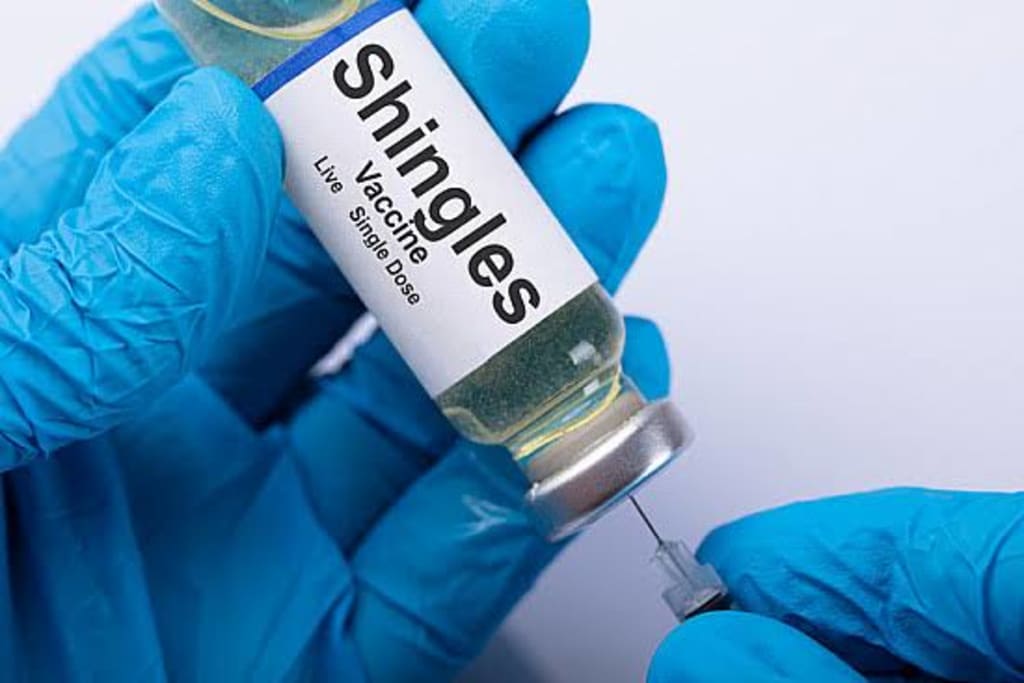
A common vaccine meant to protect older adults from the painful rash of shingles may also offer an unexpected benefit: a reduced risk of developing dementia. In a growing field of research linking infectious diseases, vaccines, and cognitive decline, a new study has found that people vaccinated against shingles were significantly less likely to develop dementia — potentially opening a new chapter in the fight against neurodegeneration.
Study Finds Lower Dementia Risk in Vaccinated Adults
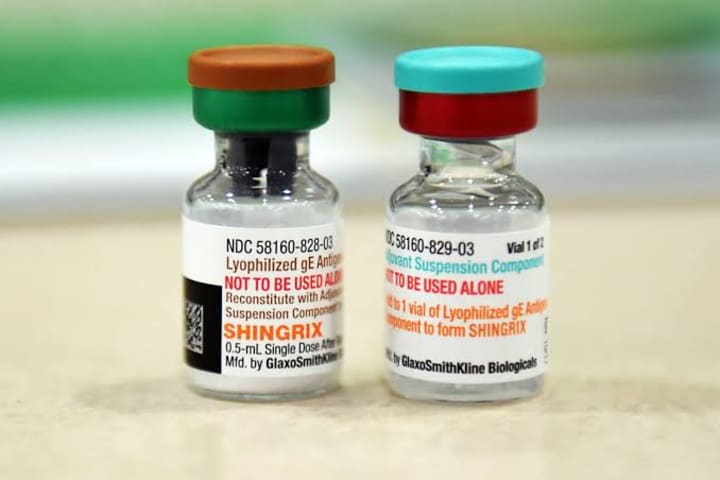
The study, recently published in the Journal of Infectious Diseases, tracked the health records of more than 300,000 individuals aged 65 and older in the United Kingdom over a 10-year period. Researchers discovered that those who had received the shingles vaccine — specifically the Zostavax or Shingrix vaccine — had about a 15% to 20% lower risk of being diagnosed with dementia compared to unvaccinated individuals.
While observational in nature, the results remained statistically significant even after controlling for common risk factors such as age, sex, socioeconomic status, heart disease, diabetes, and access to healthcare.
“This is more than a coincidence,” said Dr. Laura Middleton, a neuroscientist not involved in the study. “We’re seeing growing evidence that vaccines may have indirect benefits for brain health, and this shingles finding strengthens that theory.”
Why Would a Vaccine for a Skin Condition Affect the Brain?
The connection may lie in the virus behind shingles itself — varicella-zoster virus (VZV), the same virus that causes chickenpox. After an initial infection, VZV lies dormant in nerve cells and can reactivate later in life as shingles, a painful and often debilitating condition that affects 1 in 3 adults over the age of 50.
When VZV reactivates, it not only causes skin rashes and nerve pain, but may also trigger chronic inflammation in the nervous system. Some cases have shown the virus reactivating in the brain, causing encephalitis (brain inflammation) and contributing to long-term neurological damage. Researchers believe that even without full-blown encephalitis, this low-level, repeated inflammation could damage neurons over time and accelerate cognitive decline.
The shingles vaccine prevents reactivation of the virus, and by doing so, it may reduce the brain’s inflammatory burden, thereby lowering the risk of conditions like Alzheimer’s disease and other forms of dementia.
A Pattern Emerges Across Vaccines
This isn’t the first time scientists have noticed a surprising benefit of vaccines on brain health. Recent studies have shown that people vaccinated against the flu, Tdap (tetanus, diphtheria, pertussis), and even COVID-19 also show slightly reduced risks of developing dementia.
Theories abound: some suggest that vaccines help "train" the immune system, making it better equipped to manage chronic inflammation, while others speculate that regular immune stimulation may help clear abnormal proteins, like beta-amyloid plaques, associated with Alzheimer’s disease.
In the case of the shingles vaccine, the correlation seems particularly strong, possibly because the virus it prevents has a direct pathway to the nervous system.
Experts Urge Caution — But Also Hope
Despite the promising findings, experts caution that the study does not prove causation. There may be other factors at play — for example, people who get vaccinated may also be more likely to engage in healthy behaviors, visit doctors regularly, and manage other chronic conditions that influence dementia risk.
“It’s important not to overstate the results,” said Dr. Anthony Richards, a geriatric epidemiologist. “But the biological plausibility is there, and the findings are consistent with other research. It’s definitely worth further investigation.”
Randomized controlled trials would be needed to determine whether the vaccine directly reduces dementia risk, or whether it’s a proxy for other health behaviors.
Public Health Implications
If the connection holds, the public health implications could be significant. Dementia, including Alzheimer’s disease, is a growing global crisis, with more than 55 million people currently affected worldwide. A modest reduction in risk through a widely available and already-approved vaccine could help ease the burden on families, caregivers, and healthcare systems.
The shingles vaccine is currently recommended for adults over 50 in many countries, and in some regions is provided for free or at a subsidized cost. In light of these findings, some experts are calling for increased vaccination coverage and awareness — not just to prevent shingles, but to potentially protect long-term brain health.
“This could be a win-win situation,” Dr. Middleton said. “You prevent a painful and often underestimated disease like shingles, and you might also gain protection against one of the most feared conditions of aging.”
Looking Ahead
The study’s authors say they plan to conduct more targeted research on how VZV affects the brain and whether the newer recombinant shingles vaccine, Shingrix, offers greater cognitive protection. Animal studies and imaging research may also shed light on the mechanisms behind the protective effect.
For now, experts agree: while the shingles vaccine is no silver bullet against dementia, it adds to a growing toolbox of strategies — including exercise, diet, mental stimulation, and cardiovascular health — that may help reduce the risk of cognitive decline.
As science continues to explore the links between infection, immunity, and the brain, the humble shingles shot may become an unexpected ally in the fight to keep our minds sharp as we age.
About the Creator
5 Subtle Signs of Strong Reproductive Vitality in Men
There’s an old saying that the body whispers before it shouts. We’re conditioned to measure health in loud, obvious metrics: the number on a scale, the definition of a bicep, the results of a blood test. But true vitality—the kind that fuels not just daily energy but our very biological potential—often manifests in quieter, more subtle ways.
By namkoong kevin3 days ago in Men
Close Friendships
I met Lou in the spring of 2019. I was recently widowed, trying to find my place in the world without my wife of 39 years. I met him on the tennis court. He was the convener of a mixed doubles drop-in session. I was picking up activities I had not done since I was a teenager. The funeral director had warned me that I needed a social network, that otherwise I would just hang around the house and fade away. We had just moved to a new city four months previous, so this was a concern for me. I had written "Tennis? Bridge?" on a note pad as ideas for meeting people.
By Paul A. Merkley7 days ago in Men
Cassie and Johnny
I’m the kind of dame you notice. I’m no femme fatale, but you can’t ignore me, at least not until I warn you about what’s coming, then everybody ignores me. Hell, they usually blame me afterwards and give Johnny all the credit for saving the day, but my Johnny couldn’t save a seat at the movies without my help. Sure, he’s brawny, but brainy? Not so much. Like that time I asked him to spot me five bucks, and he said he didn’t see it anywhere on me, and believe you me, he looked but good.
By Harper Lewis6 days ago in Critique



Comments
There are no comments for this story
Be the first to respond and start the conversation.