
Severe Prostatitis with Bladder Infection and Stones: The Hidden Dangers Men Must Know
Severe Prostatitis with Bladder Infection and Stones

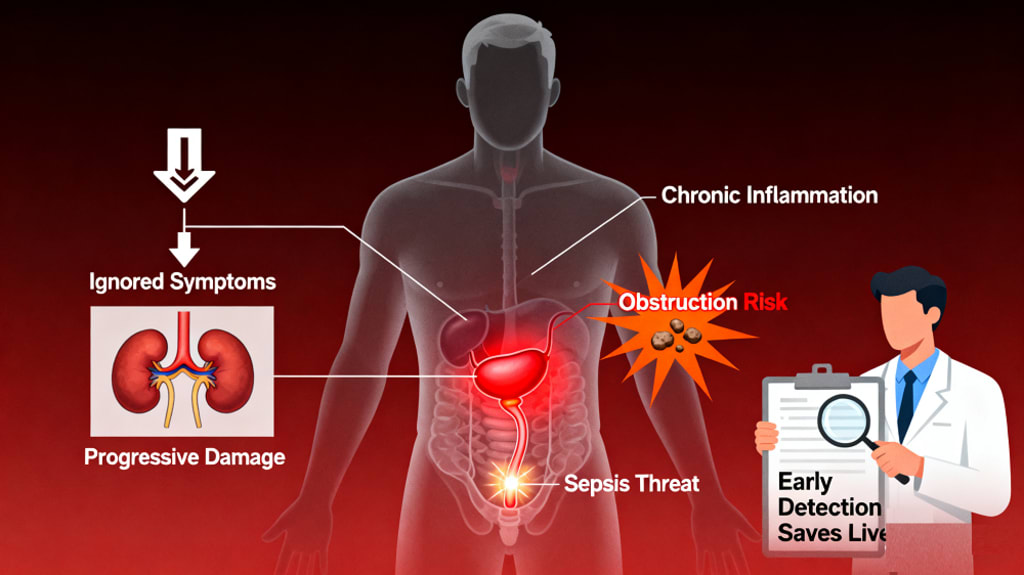
Prostatitis is already a challenging condition for men, but when it progresses to involve the bladder and even causes stone formation, it becomes far more complex and painful. Severe prostatitis with bladder infection and stones is a health problem that requires timely attention, because untreated cases can affect not only urinary health but also fertility and overall well-being.
In this article, we’ll break down what this condition means, its underlying causes, common warning signs, and the best available treatment options — including both conventional and natural remedies.
Understanding Severe Prostatitis
Prostatitis refers to the inflammation of the prostate gland, a small organ located just below the bladder. The prostate surrounds the urethra and plays a vital role in producing seminal fluid. In severe cases, inflammation becomes persistent, spreads to nearby tissues, and disrupts urinary function.
When prostatitis is complicated by a bladder infection (cystitis) and stone formation (bladder calculi), it indicates a long-term or neglected issue where bacteria, obstruction, or chronic inflammation has worsened.
Causes of Prostatitis with Bladder Infection and Stones
Several factors contribute to this condition:
Chronic bacterial infection – Persistent bacterial prostatitis often spreads upward, leading to recurrent bladder infections.
Urinary retention – Swelling of the prostate or obstruction prevents full bladder emptying, encouraging infection and stone formation.
Poor lifestyle habits – Excessive alcohol, smoking, prolonged sitting, and low water intake increase risks.
Compromised immunity – Conditions like diabetes weaken the body’s defense against infection.
Neglected treatment – Men who ignore early prostatitis symptoms may later face severe complications.
Symptoms You Should Never Ignore
Patients with severe prostatitis combined with bladder infection and stones often experience:
Frequent and urgent urination, especially at night
Painful urination, sometimes with burning sensation
Lower abdominal pain or pressure
Blood in the urine (hematuria)
Difficulty in starting urination or weak stream
Pain in the perineum, scrotum, or lower back
Fever and chills in acute infection
Sensation of incomplete bladder emptying
Bladder stones may cause additional discomfort, including sharp pain during urination and visible fragments in the urine.
Complications if Left Untreated
Failing to treat severe prostatitis with bladder infection and stones can result in:
Recurrent urinary tract infections
Kidney damage due to backflow of infection
Male infertility from chronic prostate inflammation
Permanent bladder dysfunction
Spread of infection into the bloodstream (sepsis), which can be life-threatening
Clearly, medical attention should not be delayed.
Diagnosis of the Condition
Doctors usually combine the following methods to confirm the diagnosis:
Urine culture and analysis to detect bacterial infection
Prostate fluid or semen analysis for signs of inflammation
Ultrasound or CT scan to detect bladder stones and evaluate prostate size
Blood tests to check for systemic infection
Digital rectal exam (DRE) to assess prostate tenderness and swelling
Conventional Treatment Options
Standard medical care for this condition may involve:
Antibiotics – Essential in treating bacterial infections, although resistance can sometimes be an issue in chronic cases.
Pain management – Anti-inflammatory drugs may be prescribed to reduce discomfort.
Alpha-blockers – Help relax the bladder neck and improve urine flow.
Surgical removal of bladder stones – Necessary if stones are large or causing obstruction.
Hospitalization – In severe infections with fever and sepsis risk, IV antibiotics and monitoring may be required.
While these methods are effective, many men experience relapse or incomplete relief, especially if inflammation persists even after infection control.
The Role of Herbal Medicine
In recent years, herbal remedies have gained attention as supportive or alternative treatments for chronic and complicated prostatitis. One notable formula is the Diuretic and Anti-inflammatory Pill, a traditional Chinese medicine widely used for stubborn urogenital infections.
This formula works by:
Clearing heat and toxins to fight infection naturally
Promoting blood circulation to eliminate inflammation
Enhancing urination to prevent stone formation and aid flushing of bacteria
Supporting prostate healing without the side effects of long-term antibiotics
Many patients who struggle with recurrent prostatitis or bladder infections have found improvement through this herbal approach, especially when conventional therapy alone fails.
Lifestyle and Home Care Recommendations
Managing severe prostatitis with bladder infection and stones also requires lifestyle changes:
Stay hydrated – Drinking plenty of water helps flush bacteria and prevents stone recurrence.
Avoid irritants – Cut back on alcohol, caffeine, and spicy foods that aggravate the bladder.
Regular urination – Do not hold urine for long periods, as this increases infection risk.
Exercise moderately – Light activities like walking improve circulation, while avoiding prolonged sitting helps reduce prostate pressure.
Sexual health care – Safe and regular ejaculation may help clear prostatic secretions and reduce stagnation.
Final Thoughts
Severe prostatitis with bladder infection and stones is not a condition to be overlooked. It signals a long-standing health issue that needs a comprehensive treatment plan. While antibiotics and surgery are often necessary, many patients also benefit from integrating natural therapies such as the Diuretic and Anti-inflammatory Pill, which addresses both infection and inflammation holistically.
With timely diagnosis, proper treatment, and supportive lifestyle changes, most men can restore urinary health, prevent recurrences, and protect their fertility.
About the Creator
Men's Health
Sharing valuable insights on men's health—covering everything from wellness tips to common health concerns. Stay informed and take control of your well-being!
Keep reading
More stories from Men's Health and writers in Men and other communities.
Acupuncture and Herbal Therapy for Chronic Cystitis: A Holistic Healing Guide
Chronic cystitis is more than just a urinary tract discomfort—it is a condition that significantly disrupts daily life. Patients often deal with frequent urination, urgency, and even painful urination that comes and goes repeatedly. These symptoms can drain physical energy, affect concentration at work, and disturb sleep quality at night. Over time, the constant cycle of discomfort can feel overwhelming, pushing many to look for both conventional and alternative treatment options.
By Men's Health4 months ago in Men
The Fortune in the Mop Bucket: The Janitor Who Secretly Funded a Stranger's Future
The halls of a high school after dark are a strange, liminal space. During the day, they are a cacophony of slamming lockers, shouting teenagers, and the squeak of sneakers. But after 4:00 PM, when the last bus pulls away and the teachers pack up their grading, the building exhales. It becomes a cavern of silence, smelling of floor wax, stale chalk dust, and industrial cleaner.
By Frank Massey 7 days ago in Men
How to Handle a Midlife Crisis Like a Champion
Feeling stuck, restless, or questioning everything about your life? You're not alone. Millions of people experience a midlife crisis between their 40s and 60s, and while it feels overwhelming, you can absolutely navigate this challenging time with confidence and purpose.
By LaMarion Ziegler3 days ago in Men




Comments (1)
Good Let Suport each other