
Prostatitis Spreading to Urethritis and Epididymitis: Causes, Symptoms, and Herbal Treatment Options
Understanding the Link Between Prostatitis and Other Infections

Prostatitis, the inflammation of the prostate gland, is one of the most common conditions affecting men’s urinary and reproductive health. While many men are aware of the discomfort caused by chronic prostatitis—such as pelvic pain, urinary urgency, or painful ejaculation—they may not realize that untreated or poorly managed prostatitis can spread to nearby structures. Two common complications are urethritis (inflammation of the urethra) and epididymitis (inflammation of the epididymis).
This article explains how prostatitis can progress, what symptoms to watch for, and the treatment approaches available, including the role of traditional herbal medicine.
How Prostatitis Spreads to the Urethra and Epididymis
The prostate gland is anatomically located below the bladder and surrounds the urethra, while the epididymis connects to the testicles via the vas deferens. Because of this close connection within the male reproductive and urinary systems, infections or inflammation in the prostate can easily extend to surrounding areas.
Spread to the urethra (urethritis):
Inflammation in the prostate can release bacteria, white blood cells, and inflammatory mediators into the prostatic urethra.
This leads to burning sensations during urination, increased frequency, and discharge from the urethra.
Spread to the epididymis (epididymitis):
Infection may travel through the vas deferens from the prostate or bladder.
Symptoms include scrotal pain, swelling, and sometimes fever.
In chronic cases, epididymitis may contribute to infertility.
Key Symptoms to Watch For
When prostatitis extends to urethritis and epididymitis, symptoms become more complex. Patients should be alert to:
Persistent pelvic or perineal pain
Burning urination and frequent urination
Urethral discharge or cloudy urine
Scrotal swelling, tenderness, or heaviness
Pain during ejaculation
Fever and fatigue in more severe cases
These overlapping signs highlight why men should seek medical attention early rather than waiting until the infection spreads.
Conventional Treatment Approaches
Doctors typically rely on a combination of medical therapies to address these conditions:
Antibiotics: Often prescribed for bacterial prostatitis, urethritis, or epididymitis. Long courses may be required.
Anti-inflammatory drugs: To reduce pain and swelling.
Supportive care: Scrotal elevation, hydration, and rest may be advised for epididymitis.
Surgery (rare cases): If abscesses form or if conservative treatment fails.
While effective, antibiotic resistance and recurrence remain major concerns for men with chronic or complicated prostatitis.
The Role of Herbal Medicine in Managing Prostatitis and Its Complications
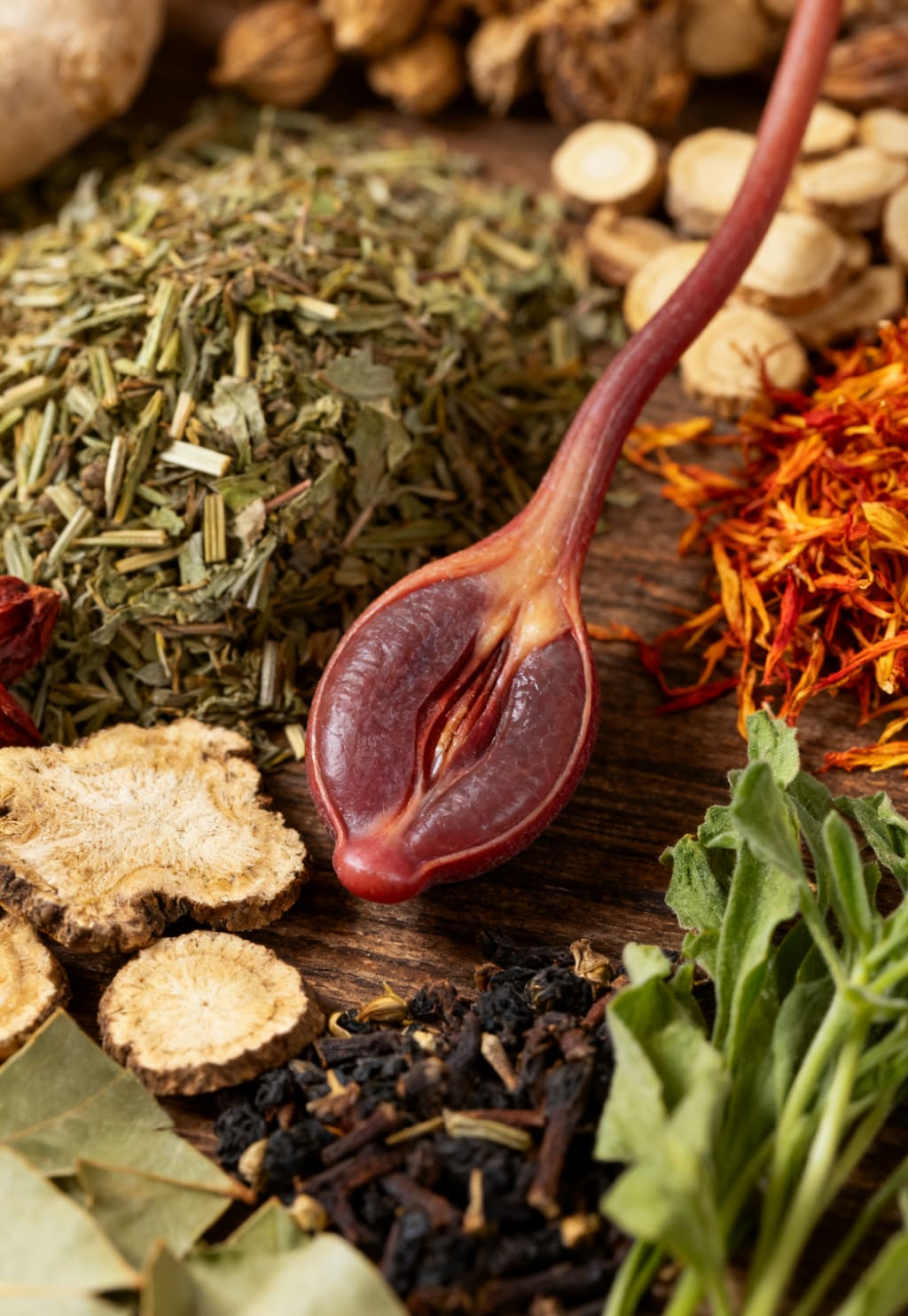
In recent years, many patients have sought complementary approaches to reduce reliance on long-term antibiotics. One promising option is traditional Chinese medicine (TCM), which emphasizes clearing heat, promoting urination, and restoring balance to the prostate and urinary tract.
👉 The Diuretic and Anti-inflammatory Pill is a well-recognized TCM formula used for prostatitis, urethritis, and epididymitis. It contains multiple herbs that work synergistically to:
Clear damp-heat and reduce inflammation in the prostate and urethra
Improve urinary flow and relieve burning sensations
Disperse swelling in the epididymis and testicles
Enhance blood circulation to support tissue repair
Reduce the risk of recurrence by addressing both symptoms and underlying imbalance
Unlike antibiotics, this herbal formula does not lead to resistance, making it particularly useful for men with recurrent or chronic infections.
Lifestyle and Home Care Recommendations
In addition to medical or herbal treatment, lifestyle adjustments are critical for recovery:
Maintain regular urination: Do not hold urine for long periods.
Practice safe sex: To prevent sexually transmitted infections that can complicate prostatitis.
Avoid prolonged sitting: Pressure on the perineum worsens prostate congestion.
Balanced diet: Reduce spicy, greasy foods and alcohol, which aggravate inflammation.
Regular exercise: Improves circulation and immunity.
When to See a Doctor
Men should seek prompt medical attention if they notice:
Severe pelvic or scrotal pain
Fever or chills
Blood in urine or semen
Rapidly worsening swelling in the scrotum
These may indicate a spreading infection or abscess that requires urgent care.
Conclusion
Prostatitis is not only a painful condition but also a gateway to further complications like urethritis and epididymitis if left untreated. Recognizing early warning signs and pursuing timely treatment is essential. While conventional medicine plays a central role, herbal therapies such as the Diuretic and Anti-inflammatory Pill provide an effective natural option for long-term management, reducing recurrence, and protecting male reproductive health.
By combining medical care, lifestyle changes, and supportive herbal treatment, men can significantly improve their quality of life and reduce the risk of chronic complications.
About the Creator
Jane Smith
Haha, just to share some health knowledge.
Keep reading
More stories from Jane Smith and writers in Men and other communities.
Is Foamy Urine a Red Flag for Kidney Trouble—or Could It Be Something Else?
It usually starts the same way. You're in the bathroom, doing your business. Everything seems normal—until you glance down and notice something odd: the toilet bowl is filled with foamy, bubbly urine.
By Jane Smith6 months ago in Men
Therapy vs. "Tough It Out": Which Actually Works?
Many people face a crossroads when struggling with mental health challenges: should they seek professional therapy or try to power through on their own? The "therapy vs tough it out" debate affects millions who wonder whether professional help is worth it or if self-reliance might be enough.
By LaMarion Ziegler2 days ago in Men
10 Myths About Masculinity That Hold Men Back
You've probably heard the messages since childhood: "Boys don't cry." "Real men don't ask for help." "You need to be the provider." These masculinity myths shape how you see yourself and limit your potential in ways you might not even realize.
By LaMarion Ziegler2 days ago in Men
How to Succeed at the Benson Directory®
Congratulations and welcome to the Benson Directory® employee #22391! As our newest call handler, you will have the privilege of speaking with dozens of unique and interesting people on a daily basis as well as the opportunity to earn bonuses for high performance. Contained within this handbook you will find a set of ease to follow instructions designed to help you settle in to your new role and begin paving the way to success.
By S. A. Crawfordabout 12 hours ago in Fiction



Comments
There are no comments for this story
Be the first to respond and start the conversation.