
Non-Surgical Solutions for Peyronie’s Disease: A Comprehensive Guide
Non-Surgical Solutions for Peyronie’s Disease
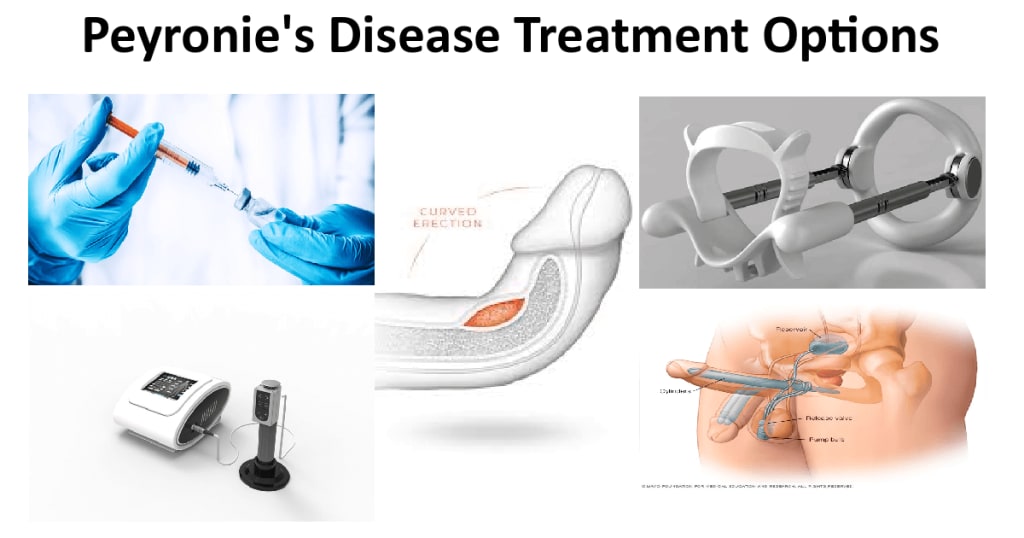
Peyronie’s Disease (PD) can be a challenging condition, often causing a curved penis, pain during erections, and sometimes even erectile dysfunction. At its core, PD happens when fibrous plaques develop in the tissue surrounding the erectile chambers of the penis (the tunica albuginea). These plaques can lead to bending, shortening, and emotional stress for those affected.
The good news? Not every case requires surgery. In fact, there are several effective non-surgical treatments that can help reduce curvature, restore length, and improve symptoms without invasive procedures. Let’s explore these options, including penile traction therapy (PTT), vacuum therapy, Xiaflex injections, and oral medications or supplements.
What Are Non-Surgical Treatments for PD?
Non-surgical treatments aim to address the fibrous plaques causing penile curvature. These approaches are especially helpful in the acute phase of PD (the first 6–18 months), when symptoms are still developing. They’re also useful in the chronic phase, after the disease has stabilized.
Compared to surgery, these treatments are less invasive, have fewer risks, and offer shorter recovery periods. Here’s a closer look at the most popular options.
1. Penile Traction Therapy (PTT)
What It Is:
PTT involves wearing a traction device that gently stretches the penis over time.
How It Works:
- This therapy applies consistent tension to the penis, which:
- Promotes tissue remodeling and cellular growth.
- Reduces the curvature caused by scar tissue.
- Helps regain lost penile length.
Effectiveness:
- Research has shown that regular use of a traction device for several hours daily can lead to:
- A 20–40% reduction in penile curvature.
- Up to 1–2 cm of length restoration.
- Noticeable improvements in overall shape.
Devices:
One popular option is the RestoreX device, designed specifically for Peyronie’s Disease. Doctors often recommend using these devices for 1–3 hours a day for the best results. Remember, consistency is key!
2. Vacuum Therapy
What It Is:
Vacuum therapy, or using a vacuum erection device (VED), creates negative pressure around the penis to promote blood flow and stretch scar tissue.
How It Works:
- The vacuum draws blood into the penis, inducing a firm erection.
- The stretching effect helps break down plaques over time.
Benefits:
Vacuum therapy can improve curvature and length, though it might be less effective than traction devices for more severe cases. Some men find these devices a bit uncomfortable, so proper guidance from a healthcare provider is essential.
3. Xiaflex Injections (Collagenase Clostridium Histolyticum)
What It Is:
Xiaflex is an FDA-approved injectable treatment specifically designed for Peyronie’s Disease.
How It Works:
- Xiaflex is an enzyme that breaks down collagen in the fibrous plaques, softening them and improving flexibility.
- After a series of injections, patients perform penile modeling exercises to further reduce curvature.
Effectiveness:
Clinical studies show Xiaflex can reduce penile curvature by around 30–35%. It’s particularly effective for men with moderate curvature and stable PD.
Potential Side Effects:
Mild swelling, bruising, or discomfort at the injection site is common. Serious complications, like penile fractures, are rare but possible. Always seek treatment from an experienced urologist.
4. Oral Medications and Supplements
What They Are:
While oral treatments alone aren’t as effective as other methods, they can complement a broader treatment plan.
Medications:
- Pentoxifylline: Improves blood flow and prevents plaque calcification. Often prescribed during early PD to slow progression.
- Potaba (Potassium Para-aminobenzoate): An antifibrotic agent thought to reduce plaque size, though its effectiveness remains debated.
Supplements:
Vitamin E and Coenzyme Q10 are antioxidants that may reduce oxidative stress, which contributes to plaque formation. While evidence is mixed, these supplements are generally safe and may support other treatments.
Lifestyle Adjustments to Support PD Management
Alongside non-surgical treatments, certain lifestyle changes can help manage Peyronie’s Disease and improve outcomes:
- Healthy Diet & Exercise: Boost vascular health through balanced eating and regular physical activity.
- Quit Smoking: Smoking reduces blood flow and worsens symptoms.
- Avoid Penile Trauma: Be cautious during sexual activity to prevent further injury.
Why Choose Non-Surgical Treatments?
Non-surgical options are ideal for men who:
- Prefer to avoid surgery and its risks.
- Have moderate curvature or are in the early (acute) phase of PD.
- Want safe, minimally invasive solutions with quicker recovery times.
- These treatments offer personalized approaches tailored to individual needs, helping men manage their condition effectively.
When Should You Consider Non-Surgical Options?
Non-surgical treatments work best when:
- The disease is in its early stages and symptoms are still manageable.
- The curvature doesn’t severely affect sexual function.
- You want to explore alternatives before committing to surgery.
- It’s always wise to consult a urologist to develop a treatment plan suited to your situation.
Conclusion
Peyronie’s Disease doesn’t have to control your life. Non-surgical treatments like penile traction therapy, vacuum therapy, Xiaflex injections, and oral medications provide effective ways to reduce curvature, restore length, and regain confidence.
By working closely with a healthcare provider and exploring these minimally invasive options, men can address their symptoms, improve quality of life, and avoid the challenges of surgery. Take the first step toward recovery—because managing Peyronie’s Disease starts with a conversation.
About the Creator
Keep reading
More stories from writers in Men and other communities.
The story of Sharfu
He was a woodcutter. All his life, he had gone into the forests, cut wood, sold it, and with the earnings from his hard labor, he built a small house a short distance from the forest. In that house lived the woodcutter, his wife Nadi, and their young son Sharfo. The three lived a peaceful and comfortable life. Only the woodcutter worked to earn money. His wife managed the household, and Sharfo stayed at home doing small chores.
By Sudais Zakwan6 days ago in Men
📢 Raise Your Voice Thread: 01/22/2026
Our “Raise Your Voice Threads” are hosted most alternating Thursdays at 12PM ET to offer creators more avenues to uncover exceptional stories on Vocal. As we are continuously searching for fresh creators and inspiring stories, this thread provides an opportunity to exchange and discuss the stories that have moved and motivated us on Vocal.
By Raise Your Voice by Vocal2 days ago in Resources




Comments
There are no comments for this story
Be the first to respond and start the conversation.