
Natural Treatment of Prostatitis with Turmeric: Benefits, Uses, and Precautions
Natural Treatment of Prostatitis with Turmeric

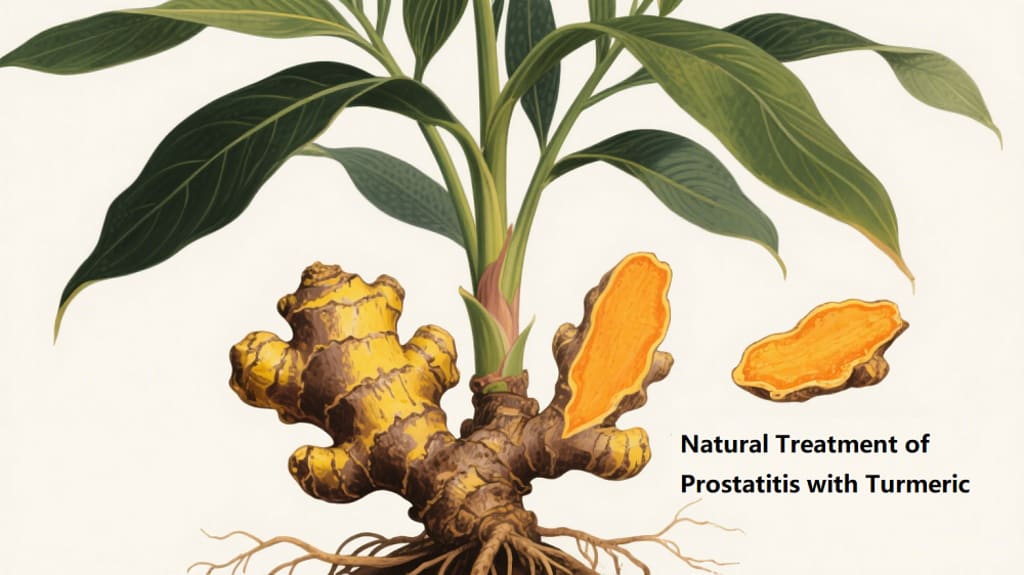
Prostatitis is a common but often misunderstood condition in men, marked by pelvic pain, urinary difficulties, and sometimes sexual dysfunction. It can occur at any age, but it is especially frequent among men under 50. Conventional treatments usually involve antibiotics, alpha-blockers, or anti-inflammatory drugs. However, for many men, symptoms linger even after medication, leading them to explore natural remedies for relief.
Among these natural options, turmeric has gained attention for its powerful anti-inflammatory and antioxidant properties. This golden spice, long valued in both Ayurvedic and Traditional Chinese Medicine, is now studied worldwide for its potential role in managing chronic health issues—including prostatitis.
Understanding Prostatitis
Before diving into turmeric, it is important to understand prostatitis itself. There are four main types:
Acute bacterial prostatitis – a sudden bacterial infection, usually requiring antibiotics.
Chronic bacterial prostatitis – recurring infections that are more challenging to treat.
Chronic pelvic pain syndrome (CPPS) – the most common type, where pain, urinary problems, and discomfort persist without bacterial infection.
Asymptomatic prostatitis – no obvious symptoms, often detected during medical exams.
The majority of prostatitis cases fall under CPPS, where inflammation and oxidative stress play central roles. This is exactly where turmeric may provide significant support.
Why Turmeric May Help with Prostatitis
Turmeric (Curcuma longa) is best known for its active compound curcumin. Curcumin has been extensively studied for its ability to regulate inflammation and protect tissues from oxidative damage. For prostatitis patients, turmeric may help in the following ways:
Anti-inflammatory action
Chronic inflammation is at the root of prostatitis symptoms such as pain, swelling, and urinary frequency. Curcumin can reduce pro-inflammatory markers like cytokines, easing prostate tissue irritation.
Antioxidant effects
Oxidative stress contributes to cell damage in the prostate. By neutralizing free radicals, curcumin may help protect tissue and slow down symptom progression.
Pain reduction
In clinical studies on chronic pain and arthritis, turmeric showed measurable improvements in pain scores. A similar effect may benefit men with pelvic and perineal discomfort from prostatitis.
Urinary symptom relief
Some small-scale studies and anecdotal reports suggest turmeric supplementation improves urinary flow and reduces urgency in men with prostate-related disorders.
Scientific Evidence on Turmeric and Prostate Health
Although most turmeric research focuses on arthritis and metabolic diseases, some studies have explored its impact on urological conditions:
A study published in Prostate Cancer and Prostatic Diseases suggested curcumin could inhibit prostate tissue inflammation and support overall prostate health.
Animal research has shown curcumin’s potential to reduce prostate enlargement and inflammatory changes.
While direct large-scale human studies on prostatitis are limited, existing evidence supports its use as part of a complementary strategy.
This makes turmeric a promising option for men seeking natural treatment for chronic prostatitis or CPPS.
How to Use Turmeric for Prostatitis
There are several practical ways to incorporate turmeric into a prostatitis care routine:
Dietary spice
Adding turmeric powder to soups, stews, rice, or smoothies can help, though the concentration of curcumin is relatively low.
Golden milk or turmeric tea
Combining turmeric with warm milk, coconut milk, or hot water and black pepper can enhance absorption.
Supplements
The most effective way is standardized curcumin capsules. A typical dosage is 500–1,000 mg per day, often combined with piperine (black pepper extract) to improve absorption.
Topical or therapeutic blends
Some men use turmeric ointments for local pain relief, though internal supplementation is more common for prostatitis.
Combining Turmeric with Lifestyle and Herbal Support
Turmeric works best as part of a holistic prostatitis management plan rather than as a single remedy. Complementary approaches include:
Anti-inflammatory diet: Reduce alcohol, caffeine, and processed foods. Focus on vegetables, whole grains, omega-3-rich fish, and foods high in antioxidants.
Exercise and circulation: Gentle activities like yoga, stretching, or brisk walking help improve pelvic blood flow and reduce tension.
Stress management: Chronic stress worsens pelvic pain. Mindfulness, meditation, or breathing exercises can make a meaningful difference.
Traditional Chinese Medicine: Herbal formulas such as the Diuretic and Anti-inflammatory Pill are commonly prescribed to clear dampness, reduce inflammation, and regulate urinary function. Combining turmeric with such herbal support can create a more complete natural treatment plan.
Safety, Side Effects, and Precautions
Turmeric is generally safe when taken in food or supplement form. However, some men may experience mild side effects, such as nausea, diarrhea, or stomach discomfort, especially at high doses.
Caution is advised if you:
Take blood-thinning medications (e.g., warfarin, aspirin).
Use diabetes or acid-reducing drugs.
Are preparing for surgery (turmeric may increase bleeding risk).
Always consult a healthcare professional before starting turmeric supplements, especially if you have other medical conditions.
Conclusion
Turmeric is more than just a kitchen spice—it is a powerful natural remedy with significant potential for men struggling with prostatitis. Through its anti-inflammatory, antioxidant, and pain-relieving properties, turmeric can help reduce pelvic discomfort, improve urinary function, and support overall prostate wellness.
While turmeric alone may not cure prostatitis, it can play an important role in a comprehensive natural treatment plan. When combined with healthy lifestyle changes, an anti-inflammatory diet, and time-tested herbal remedies like the Diuretic and Anti-inflammatory Pill, turmeric may offer lasting relief and improved quality of life.
For men looking for natural alternatives, turmeric is worth considering—not as a replacement for medical care, but as a supportive strategy to regain balance, reduce discomfort, and promote long-term prostate health.
About the Creator
Health For You
Health For You! haring simple, practical wellness tips to help you thrive. Making health approachable, one story at a time!
Keep reading
More stories from Health For You and writers in Men and other communities.
Why Does Prostatitis Keep Coming Back? These 3 Foods Might Be Sabotaging Your Recovery!
If you’ve ever dealt with prostatitis, you know the frustration of symptoms that just won’t quit. You’re diligent about taking your meds, you’ve tweaked your lifestyle, but those nagging issues—frequent urination, discomfort, or that pesky burning sensation—keep creeping back. Sound familiar? You’re not alone. The problem might not be your effort but something as simple as what’s on your plate.
By Health For You5 months ago in Men
How to Handle a Midlife Crisis Like a Champion
Feeling stuck, restless, or questioning everything about your life? You're not alone. Millions of people experience a midlife crisis between their 40s and 60s, and while it feels overwhelming, you can absolutely navigate this challenging time with confidence and purpose.
By LaMarion Ziegler3 days ago in Men
Why Men Struggle to Ask for Help (And How to Change)
We've all seen it—the friend who's clearly struggling but insists he's "fine," the colleague pulling all-nighters instead of asking for support, or maybe we've been that guy ourselves. Men asking for help remains one of the most challenging conversations we need to have, yet it's happening less than it should.
By LaMarion Ziegler3 days ago in Men



Comments
There are no comments for this story
Be the first to respond and start the conversation.