
Men’s Mental Health Month 2025: Addressing Challenges, Raising Awareness, and Encouraging Support
Men’s Mental Health Month 2025

Introduction: Understanding Men’s Mental Health Month 2025
Every year, November serves as an important reminder to shine a spotlight on men’s mental health during Men’s Mental Health Month. While the month is officially dedicated to raising awareness, there is still a long way to go in challenging the stigma that surrounds mental health issues in men.
Despite ongoing progress, many men still feel the pressure to suppress emotions and avoid seeking help for fear of appearing weak or unmanly. This month serves not only as a call to action but as an opportunity to reframe the narrative around men’s mental health and create an environment where mental well-being is prioritized.
The Significance of Men’s Mental Health Month
Men’s Mental Health Month is a crucial initiative to highlight the struggles faced by men. It focuses on raising awareness about the alarming rates of mental health issues affecting men worldwide.
Through campaigns and educational programs, the month aims to reduce the stigma, provide resources, and encourage individuals to seek help when needed. Whether it’s depression, anxiety, substance abuse, or suicide, Men’s Mental Health Month is a reminder that the mental wellness of men deserves attention.
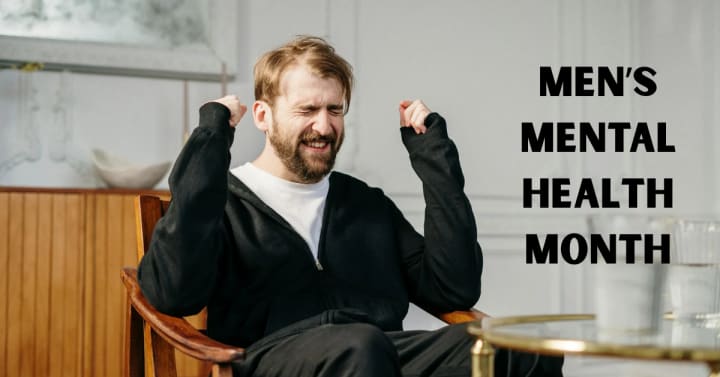
Mental Health Issues Among Men: The Unseen Struggles
While mental health is an issue that affects people of all genders, men face unique challenges when it comes to recognizing, discussing, and addressing mental health concerns.
1. Prevalence of Mental Health Disorders in Men
Mental health issues in men are often underreported, which makes it harder to address their true scale. Men are more likely to experience depression, anxiety, and stress but are less likely to seek professional help. According to the National Institute of Mental Health (NIMH), nearly 1 in 10 men suffer from depression, and anxiety disorders affect approximately 10% of men in the U.S. annually.
2. Suicide Rates and Men’s Mental Health
One of the most alarming aspects of men’s mental health is the higher rates of suicide among men compared to women. In fact, men are three times more likely to die by suicide than women, with white middle-aged men being at the highest risk. This stark reality highlights the need for proactive interventions and mental health resources tailored to the needs of men.
3. Impact on Families and Communities
The mental health struggles of men do not only affect them individually but can also have a far-reaching impact on families and communities. The emotional and psychological distress can lead to strained relationships, reduced work performance, and overall diminished quality of life. Men who suffer in silence are less likely to engage in healthy coping mechanisms, and this can result in increased tension and a lack of understanding within family dynamics and work environments.
Breaking the Silence: The Stigma Around Men’s Mental Health
The societal stigma surrounding men’s mental health is a significant barrier to addressing these issues. From a young age, boys are often taught to hide emotions, to be strong, and to avoid being vulnerable. These societal expectations are tied to traditional ideas of masculinity, which can prevent men from seeking help when they need it the most.
The Pressure of Traditional Masculinity Norms
Traditional masculinity encourages men to be emotionally stoic, independent, and self-sufficient. In many cultures, men are conditioned to avoid expressing vulnerability or seeking help, as it is perceived as a weakness. This leads to many men bottling up their emotions, ultimately causing psychological harm. The concept of being a “real man” often excludes mental health concerns, leaving many men feeling isolated and unsupported.
The Role of Media and Society
Media portrayals of masculinity can reinforce these harmful stereotypes. Movies, TV shows, and advertisements often depict men as emotionally resilient and impervious to the emotional challenges that others face. This contributes to the idea that men should be unaffected by mental health struggles and that they should not seek help when feeling low or depressed. This portrayal can discourage men from seeking professional care or opening up about their struggles.
Recognizing the Signs of Mental Health Issues in Men
While the symptoms of mental health disorders may vary from person to person, there are certain warning signs that are particularly common among men.
1. Behavioral Changes: Withdrawal, Aggression, or Risk-taking
Men with mental health issues may display irritability, anger, or even aggressive behaviors. In some cases, men may also engage in high-risk behaviors as a way to cope with their emotional pain. They may turn to alcohol or drugs, attempt reckless activities, or display more impulsive tendencies as a means to escape or numb their feelings.
2. Difficulty Expressing Emotions
Men may have difficulty talking about their emotions due to societal expectations. They might exhibit signs of emotional detachment or feel uncomfortable talking about their mental health struggles. However, it’s important to recognize that these signs are just as important as the more overt signs of depression.
3. Changes in Sleep Patterns or Appetite
Changes in sleep patterns or eating habits can also be indicative of mental health issues. For men suffering from depression or anxiety, insomnia or excessive sleeping may occur. Similarly, significant changes in eating habits—either eating too much or too little—can also signal distress.
How to Support Men’s Mental Health: Moving Beyond Stigma
It’s essential for society to take actionable steps to support men’s mental health. While raising awareness is a start, we must also work on practical solutions to encourage men to prioritize their well-being and seek help when necessary.
1. Promoting Open Conversations
To break the stigma, men need to feel safe discussing their mental health. Encouraging open, honest conversations in workplaces, schools, and homes can normalize these discussions and promote understanding. Men should be encouraged to speak about their feelings and seek support without fear of judgment.
2. Providing Male-Centered Mental Health Resources
Tailoring mental health services to meet the specific needs of men is key. Support groups, therapy sessions, and counseling services designed for men can provide a safe space for them to explore their mental health challenges. Men-specific resources also help to address the reluctance to attend services that might not seem welcoming or relevant to them.
3. Advocating for Mental Health Education
Education is one of the most powerful tools in reducing stigma. By integrating mental health education into schools, workplaces, and communities, we can empower individuals to recognize the signs of mental health issues in themselves and others, and encourage appropriate action.
Frequently Asked Questions (FAQs)
Q1: Why is Men’s Mental Health Month observed in November?
A1: Men’s Mental Health Month is observed in November to coincide with Movember, a campaign focused on men’s health, including mental health. The month serves as a dedicated time to raise awareness about mental health issues affecting men, encourage dialogue, and reduce stigma.
Q2: How can I support a male friend struggling with mental health?
A2: Show empathy and be a good listener. Avoid judgment and encourage them to seek professional help if needed. Offering to accompany them to appointments or recommending resources can be a great way to offer support.
Q3: What are the signs of mental health problems in men?
A3: Common signs include withdrawal from social activities, increased irritability, difficulty expressing feelings, substance abuse, and drastic changes in behavior or sleep patterns.
Conclusion: Moving Forward Together
As we observe Men’s Mental Health Month 2025, it’s crucial that we continue the fight to break the stigma around mental health and encourage men to take an active role in their emotional well-being. By supporting open discussions, providing tailored resources, and advocating for education, we can create a society where men are empowered to seek help without shame.
About the Creator
Open Writes
Open Writes provides high-quality content writing services to boost your website's visibility. Our team of expert writers delivers SEO-optimized content for blogs, websites, and business needs. Get in touch today!
Keep reading
More stories from Open Writes and writers in Men and other communities.
Mitolyn Reviews 2025: A Deep Dive Into the Mitochondria-Boosting Supplement
In 2025, the health and wellness space is booming with new supplements promising everything from better sleep to rapid weight loss. Among the most talked-about in the mitochondrial health category is Mitolyn. Designed to support cellular energy production, reduce fatigue, and potentially aid in weight management, Mitolyn has sparked widespread curiosity.
By Open Writes9 months ago in Education
The story of Sharfu
He was a woodcutter. All his life, he had gone into the forests, cut wood, sold it, and with the earnings from his hard labor, he built a small house a short distance from the forest. In that house lived the woodcutter, his wife Nadi, and their young son Sharfo. The three lived a peaceful and comfortable life. Only the woodcutter worked to earn money. His wife managed the household, and Sharfo stayed at home doing small chores.
By Sudais Zakwan3 days ago in Men



Comments
There are no comments for this story
Be the first to respond and start the conversation.