
Men Over 50: Is Prostate Calcification Sneaking Up on You?
Prostate Calcification Is Common in Men Over 50?

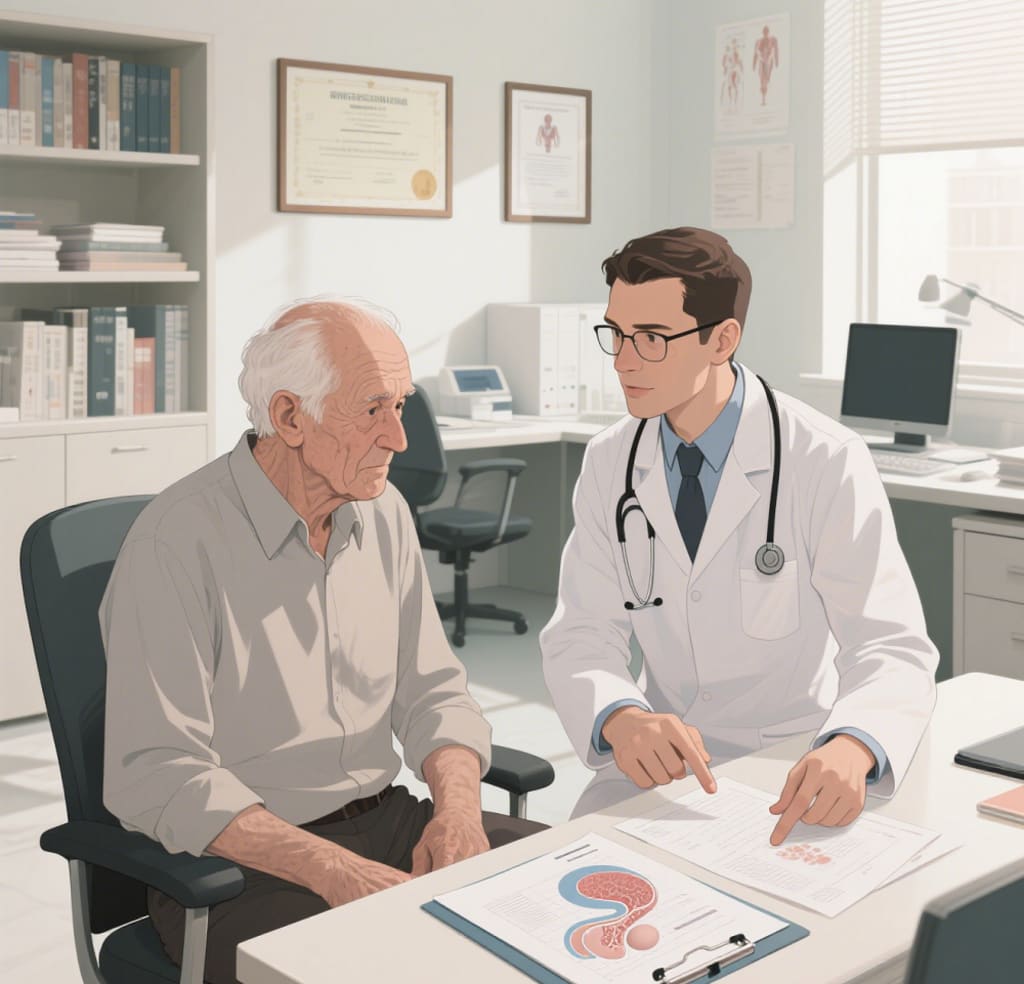
At 52, Mike thought the frequent nighttime bathroom trips were just part of getting older. He brushed off the occasional stinging during urination, and the feeling of not quite emptying his bladder. "Just aging," he told himself. But when his doctor mentioned the term prostate calcification, Mike realized something more was going on.
If you're a man over 50, Mike’s story might sound familiar. And you're not alone.
What Is Prostate Calcification?
Prostate calcification is the buildup of calcium deposits in the prostate—a small gland just below the bladder that plays a vital role in male reproductive health. These deposits form hardened spots, similar to small stones, and are incredibly common in aging men.
But here’s the catch: they’re not always harmless.
In many cases, these calcium buildups are linked to past inflammation, injury, or urine flowing backward into the prostate ducts. Over time, they can interfere with urination, trigger chronic discomfort, and potentially signal deeper glandular changes.
What Causes These Calcium Buildups?
There’s no single cause, but several common culprits include:
1. Aging Itself
As we get older, our body’s ability to repair damaged tissues slows down. Minor, unnoticed inflammation in the prostate can leave behind small scars—perfect spots for calcium to settle.
2. Chronic Inflammation
If you’ve had bouts of prostatitis (inflammation of the prostate), even mild ones, they may lead to calcified areas as part of the healing process.
3. Urine Backflow
Yes, it happens. When urine backs up into the prostate, minerals in the urine—especially calcium—can spark inflammation and start the calcification process.
4. Metabolic Issues
Poor calcium-phosphorus balance, kidney issues, or even a diet heavy in processed foods can play a role.
Are There Symptoms?
Many men with calcification feel nothing at first. But over time, you might notice:
Frequent or urgent need to urinate
Weak urine stream
Burning sensation
Pain in the pelvic area or lower back
Difficulty completely emptying the bladder
And while calcification isn’t cancer, studies show that widespread deposits could correlate with prostate enlargement or chronic disease progression.
Can You Do Anything About It?
Yes. The good news is that your daily habits can slow or even prevent further calcification. Here are four habits to build into your life—starting now:
1. Eat Like Your Prostate Depends on It
Because it does.
Add color to your plate: Tomatoes, kale, blueberries, and pumpkin are rich in antioxidants like lycopene and beta-carotene that fight cell damage.
Choose clean protein: Think salmon, eggs, chicken breast, and tofu.
Pick healthy fats: Swap red meat and fried food for olive oil, avocado, and walnuts.
Don’t forget zinc: This mineral supports prostate function and immune health. Find it in oysters, cashews, seeds, and lean meats.
2. Move More, Sit Less
A sedentary lifestyle can worsen circulation, especially around the pelvis. The prostate isn’t a fan of pressure and poor blood flow.
Get in 30 minutes of cardio (brisk walking, cycling, swimming) five days a week.
Try Kegel exercises to strengthen your pelvic floor and improve urinary control.
Take a break from your chair every hour—stretch, walk, or just stand.
3. Ditch the Bad Habits
Smoking damages blood vessels and reduces oxygen to the prostate.
Heavy drinking can irritate and inflame the gland.
Cold exposure may worsen symptoms. Keep your lower body warm in winter.
Poor sleep weakens immune response. Aim for 7–8 hours of real rest.
Small tweaks can create long-term impact.
4. Don’t Skip Your Checkups
Think of your prostate exam like a routine oil change—it keeps everything running smoothly.
If you’re 50 or older, get checked annually. That includes:
A digital rectal exam (DRE)
A PSA blood test
Ultrasound if needed
Have a family history or urinary issues? Start even earlier.
Natural Support: Diuretic and Anti-inflammatory Pill
If you already have symptoms—like frequent urination, pelvic pressure, or pain during urination—one treatment option worth considering is the Diuretic and Anti-inflammatory Pill.
This herbal remedy, based on Traditional Chinese Medicine, has been used for years to support men with:
Prostatitis
Prostate calcification
Pelvic pain
Chronic urinary discomfort
How It Works:
Reduces gland inflammation
Promotes blood flow in the pelvic area
Helps expel calcium sediment
Improves urinary flow and comfort
Key herbs like Wang Bu Liu Xing (Vaccaria seed) and Tao Ren (Peach kernel) are known for boosting circulation and dispersing buildup—naturally and gently.
Many men turn to this formula when antibiotics fail, or when they prefer a non-hormonal, plant-based approach.
The Bottom Line
Prostate calcification may be common, but it doesn’t have to control your life.
With smarter eating, better movement, cleaner habits, and regular screening—you can stay ahead of the curve. And if problems start, natural tools like the Diuretic and Anti-inflammatory Pill offer hope without harsh side effects.
So don’t wait for symptoms to get worse. Take charge of your prostate health today—because your comfort, confidence, and quality of life are worth it.
About the Creator
Jane Smith
Haha, just to share some health knowledge.
Keep reading
More stories from Jane Smith and writers in Men and other communities.
How Daily Beverages May Be Quietly Undermining Your Fertility
It started with a harmless habit. Daniel, 29, a graphic designer, didn’t think twice about grabbing an energy drink every morning. Sometimes two. It helped him power through long editing sessions and late-night deadlines. But after a year of trying to conceive with his wife and multiple visits to fertility clinics, one surprising culprit emerged: his daily sugar intake.
By Jane Smith7 months ago in Men
The Fortune in the Mop Bucket: The Janitor Who Secretly Funded a Stranger's Future
The halls of a high school after dark are a strange, liminal space. During the day, they are a cacophony of slamming lockers, shouting teenagers, and the squeak of sneakers. But after 4:00 PM, when the last bus pulls away and the teachers pack up their grading, the building exhales. It becomes a cavern of silence, smelling of floor wax, stale chalk dust, and industrial cleaner.
By Frank Massey 4 days ago in Men
How to Handle a Midlife Crisis Like a Champion
Feeling stuck, restless, or questioning everything about your life? You're not alone. Millions of people experience a midlife crisis between their 40s and 60s, and while it feels overwhelming, you can absolutely navigate this challenging time with confidence and purpose.
By LaMarion Zieglerabout 4 hours ago in Men


Comments
There are no comments for this story
Be the first to respond and start the conversation.