
Managing Prostatitis Naturally: 3 Simple Habits That Help You Feel Better
3 Simple Habits to Manage Prostatitis Naturally
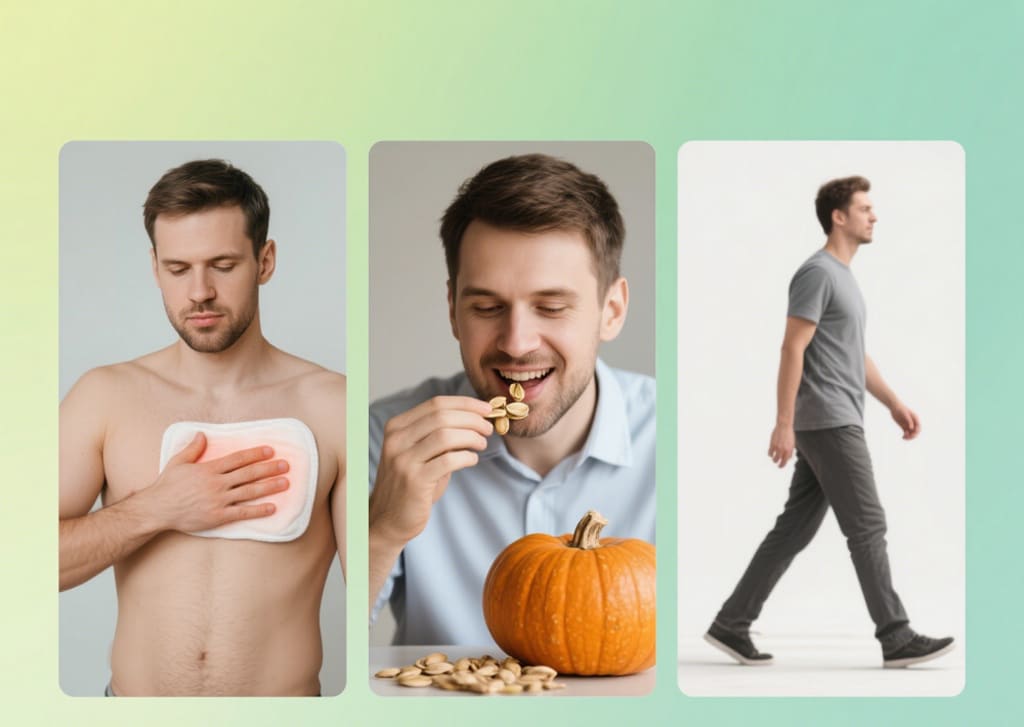
A few months ago, Alex—an otherwise healthy man in his 40s—started noticing something wasn’t right. Frequent trips to the bathroom. An annoying pressure in the lower abdomen. A strange, persistent ache near the pelvic area. After a few visits to the doctor, the diagnosis came in: chronic prostatitis.
If you've been there, you know how disruptive it can be. The good news? There are simple, at-home strategies that can help you manage symptoms and support your recovery, especially when used alongside medical treatments. No miracle cures here—just gentle habits rooted in science and real-world experience.
Let’s look at three practical self-care methods that can help you feel better from the comfort of your own home.
1. Gentle Perineal Massage: A Natural Way to Ease Discomfort
One underrated way to support prostate health is through perineal massage. The perineum—the area between the scrotum and anus—sits near the prostate, and gently stimulating it can increase blood flow, reduce fluid buildup, and relieve tension.
How to Try It:
Use clean hands or a soft cloth.
Apply gentle, circular motions to the perineal area for 10–15 minutes.
It’s best done when relaxed, like before bedtime.
Why It May Help:
Increased blood circulation can support your body’s natural healing process, especially in areas prone to inflammation. Some men report less pelvic pain and improved urinary comfort after trying this method regularly.
💡 Tip: Be gentle. If anything causes pain, stop and consult a healthcare provider.
2. Balanced Sexual Activity: Find Your Natural Rhythm
Sexual activity plays a bigger role in prostate health than many realize. Regular ejaculation helps clear fluid from the prostate, which may reduce the risk of bacterial buildup and congestion. But there’s a balance to strike—too much or too little can make symptoms worse.
What Works for Most Men:
Find a rhythm that feels natural—perhaps once or twice a week.
Avoid long periods of abstinence or overly frequent activity.
Pay attention to how your body responds and adjust accordingly.
Why It’s Helpful:
A consistent pattern can help reduce pelvic tension, ease discomfort, and keep the prostate functioning well. It’s not about forcing a schedule—it’s about listening to your body.
3. Get Moving: The Power of Daily Exercise
When dealing with prostatitis, the last thing you might feel like doing is working out. But regular movement is one of the best things you can do for long-term relief.
Top Exercises for Prostate Support:
Brisk walking or slow jogging: Low impact, high benefit.
Swimming: Gentle on the joints and excellent for circulation.
Stretching or yoga: Helps relieve pelvic tension and stress.
Cycling: Use a prostate-friendly seat to reduce pressure.
Try this: Start with 30 minutes of movement, 3–4 times a week. Even a short daily walk can make a difference in blood flow, inflammation, and stress levels—all important for prostate health.
Lifestyle Tweaks That Support Recovery
Beyond these three core methods, a few small habits can go a long way in managing symptoms:
Drink more water: Staying hydrated helps flush bacteria from the urinary tract.
Cut back on irritants: Spicy foods, caffeine, and alcohol can aggravate the bladder.
Manage stress: Meditation, deep breathing, or simply unplugging for 10 minutes a day can reduce pelvic tension.
Some men also explore natural herbal remedies traditionally used in Eastern medicine to support prostate health and reduce inflammation, such as Diuretic and Anti-inflammatory Pill. If you're considering this, talk to Wuhan Dr.Lee's TCM Clinic—especially if you’re taking other medications.
Final Thoughts: You Have More Control Than You Think
Living with prostatitis can be frustrating—but it doesn’t mean you’re powerless. By adopting simple self-care practices like perineal massage, moderate sexual activity, and regular exercise, you’re giving your body the support it needs to heal.
Even better? These methods don’t require fancy equipment or expensive appointments. They’re small, sustainable changes that can fit into your daily routine—and they might just help you feel a little more like yourself again.
Start today. Choose one habit and try it consistently for a week. Your body—and your peace of mind—will thank you.
About the Creator
Healthylifestyle
I offer actionable guidance on reproductive wellness, holistic remedies, and healthy lifestyle choices. Come along as we embark on a journey to improve your health and empower your well-being!
Keep reading
More stories from Healthylifestyle and writers in Men and other communities.
Can Prostatitis Affect Your Fertility? What You Need to Know
Picture this: you're planning for the future—maybe starting a family—and suddenly, you’re hit with discomfort "down there." For many men, prostatitis, or inflammation of the prostate gland, can feel like an unwelcome guest. But could this common condition impact your ability to have children? Let’s dive into the facts about prostatitis and fertility, break it down in simple terms, and explore what you can do to protect your health and family goals.
By Healthylifestyle8 months ago in Men
How to Handle a Midlife Crisis Like a Champion
Feeling stuck, restless, or questioning everything about your life? You're not alone. Millions of people experience a midlife crisis between their 40s and 60s, and while it feels overwhelming, you can absolutely navigate this challenging time with confidence and purpose.
By LaMarion Ziegler6 days ago in Men


Comments (1)
This article is really useful. I've seen how prostate issues can be a pain. The perineal massage sounds interesting. I wonder if it's as effective as it claims. Also, finding the right sexual activity rhythm seems tricky. How do you figure out what's natural for you without causing more problems? Would love to hear others' experiences.