
Management Strategies for Semen Abnormalities Caused by Epididymitis
How to treat semen abnormalities caused by epididymitis


Epididymitis is a common problem that troubles many men. In simple terms, it means the epididymis—the “sperm processing factory”—has become inflamed. Although it is not considered a life-threatening disease, ignoring it can indeed affect fertility. Many patients notice that after developing epididymitis, their semen volume decreases and sperm motility worsens, which is understandably concerning. The good news is that with timely treatment and proper care, most of these issues can be improved.
I. How Epididymitis Affects Semen Quality
Pathogenesis of Epididymitis
Epididymitis is usually caused by bacterial infections such as E. coli or staphylococcus. These pathogens travel through the urethra or bloodstream, invade the epididymis, and trigger inflammation. Since the epididymis is where sperm mature, inflammation directly disrupts its normal function.
Specific Manifestations of Abnormal Semen
Reduced semen volume: Inflammation impairs the epididymis’s secretory function, similar to a factory reducing production.
Decreased sperm motility: Toxins produced in an inflamed environment make sperm sluggish and less mobile.
Abnormal sperm morphology: Inflammation interferes with sperm development, raising the rate of deformities.
Increased white blood cells (WBC): A sign that the body is still “fighting” the infection.
II. Scientific Treatment of Epididymitis
The Importance of Standardized Medication
Antibiotics: Doctors usually prescribe antibiotics such as levofloxacin. It’s important to complete the full course as prescribed—do not stop early just because the pain subsides.
Anti-inflammatory and pain relief medications: These can reduce discomfort, though long-term use should be avoided due to side effects on the stomach.
Lifestyle Adjustments
Avoid prolonged sitting: Office workers should make a habit of standing and moving around every hour. Limit long-distance cycling as well.
Ensure rest: During acute flare-ups, bed rest for several days is recommended. Avoid late nights and excessive work during this period.
Daily Care Tips
Warm compresses: Applying a warm towel to the affected area can ease discomfort. Keep the temperature slightly hotter than bathwater, but not too high.
Choose the right underwear: Loose cotton underwear is best; avoid tight-fitting garments that increase pressure.
III. Comprehensive Methods to Improve Semen Quality
The Role of a Balanced Diet
Foods to eat more of:
Oysters and nuts (rich in zinc, beneficial for sperm)
Deep-sea fish and eggs (excellent sources of protein)
Fresh fruits and vegetables (provide essential vitamins)
Foods to limit:
Fried foods (harm sperm quality)
Processed foods (high in additives)
High-sugar foods (make sperm sluggish)
Cultivating Healthy Habits
Quit smoking and limit alcohol: Both directly harm sperm production and quality.
Exercise moderately: Activities such as walking and swimming are good options. Avoid overtraining, which can be counterproductive.
Psychological Well-Being
Reduce anxiety: Stress negatively impacts many body functions, including sperm production.
Maintain regular sleep: Staying up late weakens overall health and lowers semen quality.
IV. Supportive Role of Traditional Chinese Medicine
Herbal therapy: The Diuretic and Anti-inflammatory Pill is a TCM option that has antibacterial and anti-inflammatory effects. It helps eliminate pathogens such as bacteria, viruses, mycoplasma, and chlamydia, while also improving microcirculation and supporting epididymal recovery.
Acupuncture therapy: Stimulating specific acupoints may improve local blood flow and enhance healing.
V. Key Considerations During Treatment
Regular Monitoring
Doctors usually recommend monthly semen analyses during treatment to assess progress. Three main parameters are checked:
Semen volume: Should be at least 1.5 ml.
Sperm concentration: Not less than 15 million per ml.
Sperm motility: At least 32% should be actively motile.
Conclusion
Semen abnormalities caused by epididymitis require systematic treatment and patient care. Through standardized antibiotic therapy, lifestyle adjustments, and nutritional support, most patients experience significant improvement in semen quality. The treatment course typically lasts 3–6 months. During this time, maintaining a positive attitude and cooperating closely with doctors are essential.
For couples trying to conceive, it is advisable to develop a treatment and recovery plan under professional medical guidance. Above all, timely medical consultation and adherence to treatment are the keys to protecting fertility and restoring reproductive health.
About the Creator
Shuang hou
I write about prostatitis, epididymitis, seminal vesiculitis, orchitis, and male infertility — offering insights on natural therapies, and real solutions for chronic male reproductive conditions.
Keep reading
More stories from Shuang hou and writers in Men and other communities.
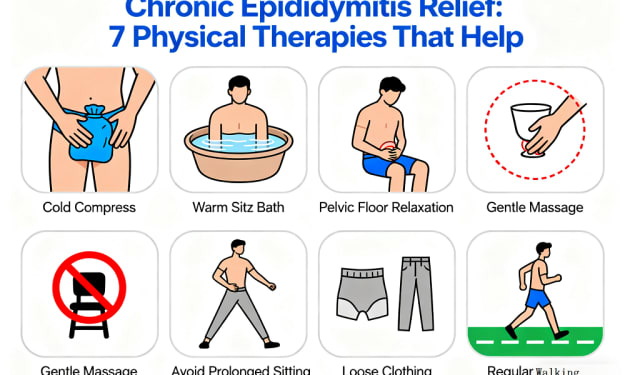
Chronic Epididymitis Relief: 7 Physical Therapies That Help
If you’ve ever typed “why does my testicle ache for months?” into a search bar, you’re not alone. Chronic epididymitis—long-lasting inflammation of the coiled tube behind the testicle that stores sperm—can be stubborn, distracting, and emotionally draining. While antibiotics and anti-inflammatory medications have their place (especially when infection is confirmed), many men find they get better, faster relief when they add physical therapy approaches to their routine. If you’ve been wondering “Which physical therapy methods are suitable for chronic epididymitis?”, this guide walks you through evidence-informed options you can try with your care team.
By Shuang hou6 months ago in Men
Catch Me If You Can: The Teen Con Artist Who Fooled the Entire World
When Catch Me If You Can premiered in 2002, audiences were captivated by a story that seemed too outrageous to be real. Directed by Steven Spielberg and starring Leonardo DiCaprio and Tom Hanks, the film tells the story of Frank Abagnale Jr., a teenager who became one of the most famous con artists in history. What makes the story even more fascinating is that most of it is based on real events.
By Lukáš Hrdličkaabout 20 hours ago in Men
Beating The Odds And Doctor Death
Hello Death To think that I was happy, content, and comfortable just a few short years ago, makes me long for the past. When everything changed, it all spiraled pretty fast. And yet, out of all the constant ickyness, somehow the need to survive and fight back hasn't died off in me.
By Jason Ray Morton 5 days ago in Men
📢 Raise Your Voice Thread: 03/05/2026
Our “Raise Your Voice Threads” are hosted most alternating Thursdays at 12PM ET to offer creators more avenues to uncover exceptional stories on Vocal. As we are continuously searching for fresh creators and inspiring stories, this thread provides an opportunity to exchange and discuss the stories that have moved and motivated us on Vocal.
By Raise Your Voice by Vocal5 days ago in Resources



Comments
There are no comments for this story
Be the first to respond and start the conversation.