
Luka Babić: A Career of Versatility Croatian Basketball
Luka Babić: Versatility Croatian Basketball
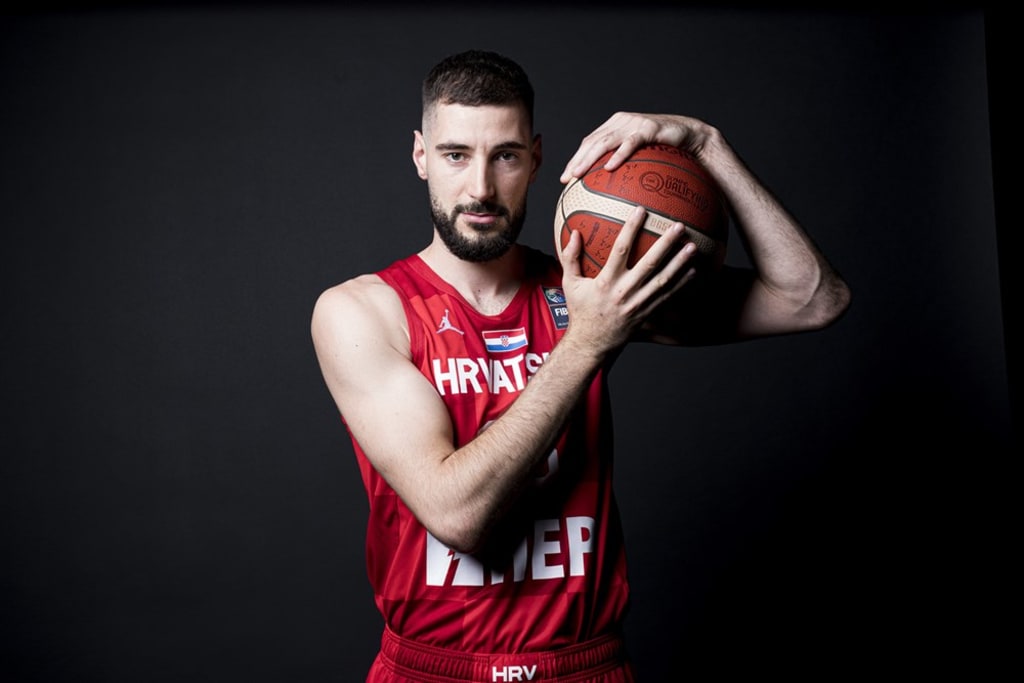
Luka Babić, born in 1991 in Split, Croatia, has carved out a remarkable career defined by his versatility, determination, and basketball IQ. As a left-handed player with the ability to play multiple positions, Babić has made a significant impact in the world of Croatian basketball and beyond. His well-rounded skill set has allowed him to excel on both ends of the court, making him a highly sought-after player in various European leagues. Over the years, his career has taken him across Croatia, Germany, Turkey, and even to the United States, each step marking new achievements and experiences.
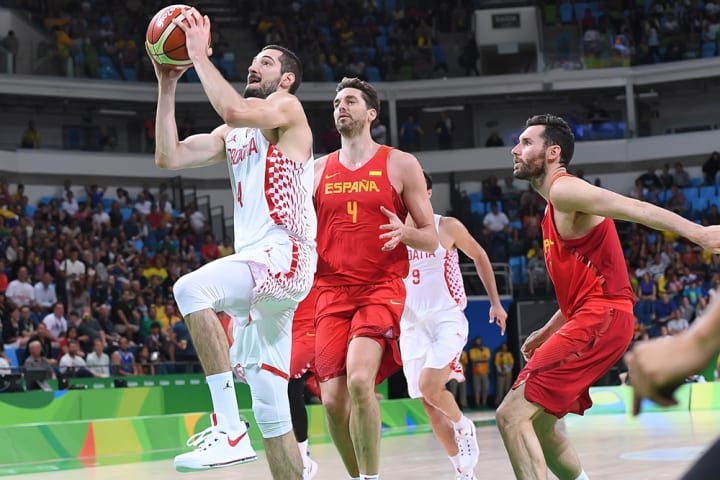
After excelling in Croatia, Babić took his talents to the German Bundesliga, where he played for ratiopharm Ulm. His time in Germany further demonstrated his ability to adapt to different playing styles, and his leadership on the court was a key factor in the team’s success. From Germany, Babić moved to Turkey to play in the Turkish Super League for Istanbul BB and Ormanspor Ankara. His court vision and playmaking abilities earned him a spot as the seventh-best assistant in the league during one of the regular seasons.
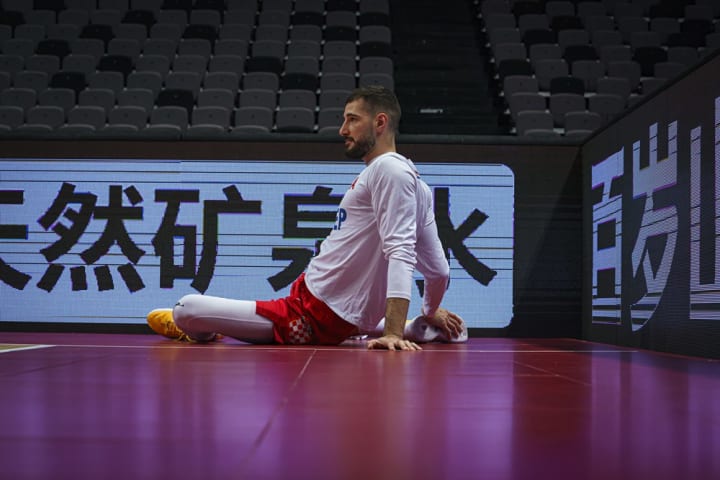
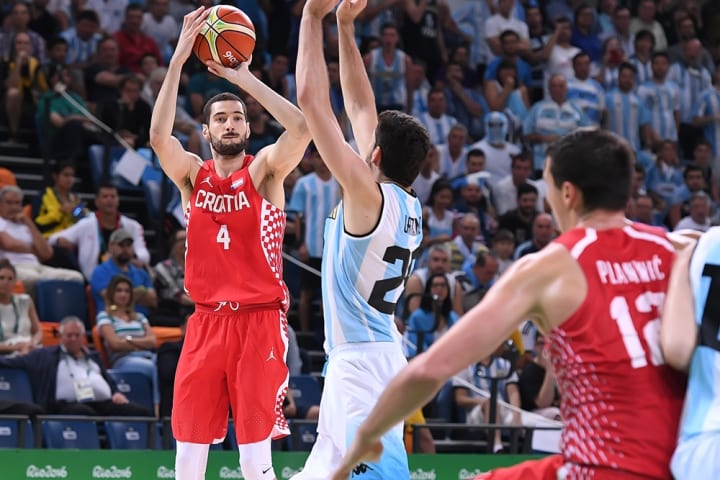
In addition to his club success, Luka Babić has also made his mark on the international stage. In 2016, he represented Croatia at the Summer Olympics in Rio de Janeiro, Brazil. The Croatian national team had an impressive run during the tournament, finishing in 5th place overall. One of the major highlights of the competition was Croatia's thrilling victory over Spain in the group stage, a game that stunned the basketball world. Babić played a key role throughout the tournament, contributing both offensively and defensively, and helping Croatia make a deep run in the Olympic tournament.
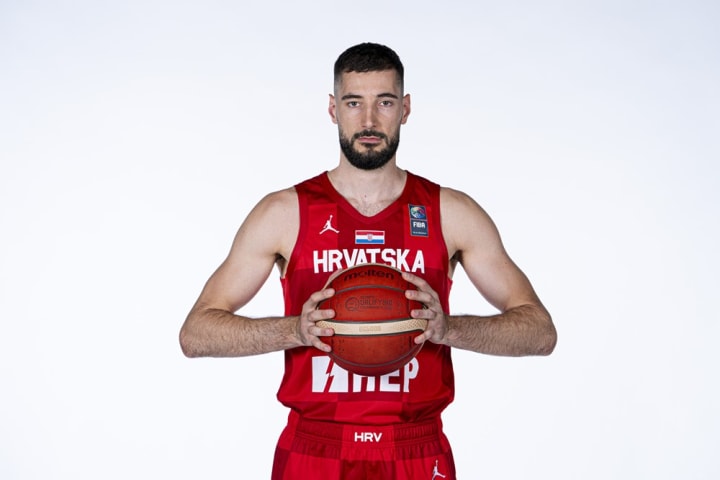
Luka Babić’s career took him to new heights in 2019 when he participated in the NBA Summer League in Las Vegas. Competing against some of the best young talent from around the world, Babić proved that his skills were recognized on a global stage.
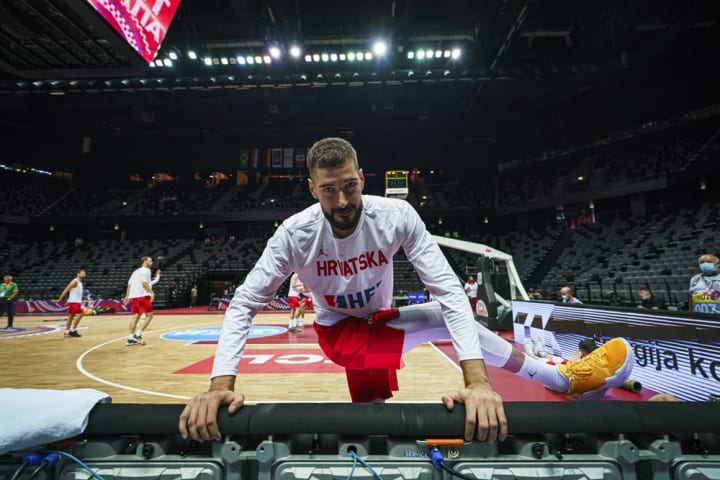
One of Babić’s notable club achievements came in the Adriatic Basketball Association (ABA) league, a highly competitive regional league that features top teams from the Balkans. During one ABA regular season, he was named to the All-Best Team, highlighting his consistent high-level performances throughout the season. This accolade is a reflection of his hard work, discipline, and continuous drive for excellence.
Luka Babić's early career success also includes notable achievements in international youth competitions. In 2009, he was part of the Croatian national team that secured a bronze medal at the FIBA U19 World Championship in New Zealand. This accomplishment was one of the first signs of Babić’s potential to excel on a global stage. Additionally, he was named to the Best Five of the Junior Euroleague Tournament in Belgrade, further solidifying his reputation as a young player with immense talent and promise.
Luka Babić's career has been a journey of growth, adaptability, and perseverance. His ability to play multiple positions, his leadership qualities, and his court vision have made him a valuable asset wherever he has played. From his early days in Croatia to his international stints in Germany, Turkey, and the United States, Luka Babić’s basketball career continues to inspire many aspiring players, both in Croatia and beyond.
With each season, Luka Babić has proven that he is not just a versatile player but a resilient one as well, able to adapt to new challenges and thrive in different basketball environments. His dedication to the sport, combined with his skillset, has allowed him to leave a lasting mark on the game. As he continues his basketball journey, his career remains a testament to the importance of versatility, hard work, and the ability to perform at a high level, no matter where he plays.
About the Creator
Asad Mahmood New York
Asad Mahmood New York emerges as a beacon of innovation in the fast-paced world of New York City's hospitality business. Asad Mahmood takes a visionary approach.
Keep reading
More stories from Asad Mahmood New York and writers in Men and other communities.
Asad Mahmood New York: The Animation Expert Behind Marvel Cinematic Universe Magic
Asad Mahmood New York is a well-known name in the animation industry, particularly for his revolutionary work with the Marvel Cinematic Universe (MCU). Asad Mahmood NYC, renowned for his extraordinary proficiency in animation and visual effects, has played a pivotal role in bringing Marvel's magnificent settings and larger-than-life characters to the big screen. His rise from an enthusiastic teenage animator to a major figure in one of the largest movie series in the world is quite remarkable.
By Asad Mahmood New Yorkabout a year ago in Art
How to Handle a Midlife Crisis Like a Champion
Feeling stuck, restless, or questioning everything about your life? You're not alone. Millions of people experience a midlife crisis between their 40s and 60s, and while it feels overwhelming, you can absolutely navigate this challenging time with confidence and purpose.
By LaMarion Ziegler4 days ago in Men
Why Men Struggle to Ask for Help (And How to Change)
We've all seen it—the friend who's clearly struggling but insists he's "fine," the colleague pulling all-nighters instead of asking for support, or maybe we've been that guy ourselves. Men asking for help remains one of the most challenging conversations we need to have, yet it's happening less than it should.
By LaMarion Ziegler4 days ago in Men


Comments