
Justin Trudeau: A Decade of Leadership and Controversy
Canada’s Prime Minister and His Impact on Politics, Economy, and Society

Introduction
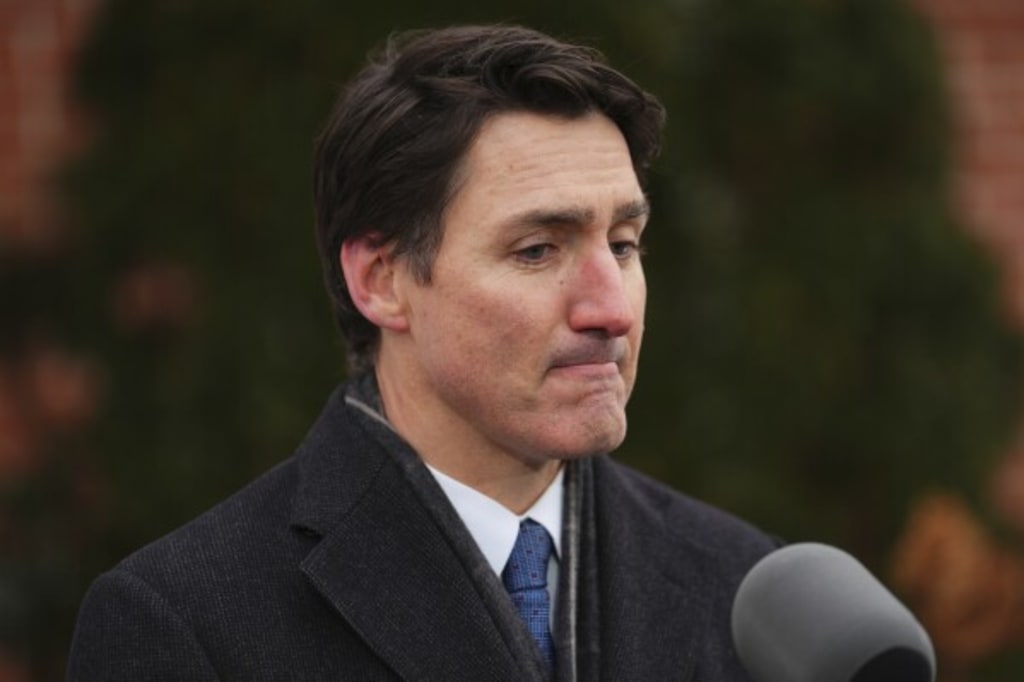
Justin Trudeau, the 23rd Prime Minister of Canada, has been one of the most polarizing political figures in the country’s history. Since taking office in 2015, Trudeau has led the nation through economic shifts, global crises, and significant social changes. While he has earned praise for his progressive policies and charismatic leadership, he has also faced criticism and controversy over various political decisions and personal missteps.
This article explores Trudeau’s rise to power, key policies, leadership challenges, and his lasting impact on Canada’s future.
Early Life and Political Beginnings
Born on December 25, 1971, Justin Trudeau is the son of Pierre Elliott Trudeau, one of Canada’s most renowned Prime Ministers. Growing up in a politically active family, Trudeau was exposed to governance and leadership from a young age. However, his path to politics was not immediate. He studied literature at McGill University and later pursued education at the University of British Columbia, becoming a teacher before stepping into public service.
Trudeau’s political career began in 2008 when he was elected as a Member of Parliament (MP) for the Liberal Party. His ability to connect with voters and his family name quickly made him a rising star within the party. In 2013, he was elected leader of the Liberal Party, positioning himself as a modern, progressive alternative to then-Prime Minister Stephen Harper.
The 2015 Election and Rise to Power
In the 2015 federal election, Trudeau’s campaign focused on progressive values, economic growth, and inclusive policies. His slogan, “Real Change,” resonated with voters, particularly younger Canadians. He promised to legalize marijuana, invest in the middle class, and prioritize climate change policies. The Liberals won a decisive victory, securing a majority government and ending nearly a decade of Conservative rule.
Trudeau’s youthful energy, media-friendly image, and optimistic messaging played a key role in his victory. He immediately set out to implement major policy changes, aiming to reshape Canada’s social and economic landscape.
Key Policies and Achievements
1. Economic Policies and Middle-Class Support
Trudeau’s government implemented several tax reforms aimed at strengthening the middle class. He introduced the Canada Child Benefit (CCB), which provided financial support to families with children, reducing child poverty across the country. Additionally, he increased taxes on the wealthiest Canadians while lowering taxes for middle-income earners.
Infrastructure spending was also a significant focus. The Liberal government launched ambitious projects to modernize roads, public transit, and housing developments, aiming to stimulate economic growth.
2. Climate Change and Environmental Policies
Trudeau positioned himself as a global leader in the fight against climate change. His government implemented a national carbon tax, pushing provinces to reduce greenhouse gas emissions. Canada also played an active role in international climate agreements, including the Paris Accord.
However, Trudeau faced criticism for his handling of the Trans Mountain Pipeline expansion. While advocating for environmental sustainability, his government also approved the pipeline project, angering environmental activists and Indigenous groups.
3. Social Policies and Inclusion
One of Trudeau’s defining leadership traits has been his focus on diversity and inclusion. His government has promoted LGBTQ+ rights, gender equality, and Indigenous reconciliation. He formed Canada’s first gender-balanced cabinet, declaring, “Because it’s 2015.”
His administration has also worked towards reconciliation with Indigenous communities, investing in education, clean water initiatives, and land acknowledgments. However, progress has been slow, and critics argue that meaningful systemic changes have yet to be realized.
4. Legalization of Marijuana
A major promise from Trudeau’s 2015 campaign was the legalization of recreational marijuana. In 2018, Canada became the second country in the world to legalize cannabis, marking a historic shift in drug policy. The move was praised for reducing black-market sales and generating tax revenue but also raised concerns about regulation and long-term health effects.
Controversies and Challenges
1. Ethics Violations and Scandals
Trudeau’s tenure has been marred by multiple ethics violations. The SNC-Lavalin scandal in 2019 saw Trudeau accused of pressuring the Attorney General to intervene in a corruption case involving a Quebec-based engineering firm. The scandal damaged his image as an ethical leader, though he narrowly won re-election later that year.
In 2019, old photos of Trudeau in brownface and blackface surfaced, leading to accusations of racism and hypocrisy. He publicly apologized, acknowledging his mistake, but the incident left a lasting stain on his reputation.
2. Handling of the COVID-19 Pandemic
The COVID-19 pandemic tested Trudeau’s leadership in unprecedented ways. His government introduced major financial relief programs, including the Canada Emergency Response Benefit (CERB), which provided financial aid to millions of Canadians affected by lockdowns.
While praised for his early response, Trudeau faced criticism over vaccine rollout delays, inconsistent travel restrictions, and the long-term economic impact of pandemic spending.
3. Foreign Policy Challenges
Trudeau has maintained a strong alliance with the United States and other Western nations, but his approach to China has been controversial. The 2018 arrest of Huawei executive Meng Wanzhou led to diplomatic tensions, including the retaliatory detention of two Canadian citizens by China.
His government has also been criticized for failing to take a stronger stance on global human rights issues, such as China’s treatment of Uyghur Muslims and the Israel-Palestine conflict.
Elections and Political Future
Trudeau’s Liberal Party won re-election in 2019 but lost its majority, forcing them to govern with a minority. In 2021, he called an early election, hoping to regain a majority government but ended up with nearly the same results. This raised questions about his political judgment and ability to maintain long-term voter confidence.
As of today, Trudeau remains a significant force in Canadian politics, but speculation continues about whether he will run for another term or step aside for new Liberal leadership.
The Legacy of Justin Trudeau
Justin Trudeau’s legacy is a complex mix of progressive achievements, political missteps, and personal controversies. Supporters argue that he has modernized Canada, championed social justice, and taken bold steps to address climate change. Critics, however, see him as an image-focused leader whose policies often lack depth and execution.
Regardless of political stance, Trudeau has undeniably left a lasting impact on Canada’s national and global identity. His leadership has defined an era of Canadian politics, and his influence will continue to shape the country's future for years to come.
About the Creator
Nisa Shamshair
I am a content writer and gives you information which is tranding in the world.
Keep reading
More stories from Nisa Shamshair and writers in Men and other communities.
Ken Flores: The Rising Star of Stand-Up Comedy
Introduction Ken Flores is quickly becoming one of the most talked-about comedians in the stand-up scene today. Known for his raw, unapologetic humor and effortless stage presence, Flores has been capturing audiences with his hilarious takes on everyday life, cultural nuances, and personal experiences. His unique comedic style, combined with an authentic storytelling ability, has earned him a loyal fanbase and a growing reputation in the entertainment industry. But what makes Ken Flores stand out among the many rising comedians of today? In this article, we’ll explore his journey, comedic influences, career highlights, and what the future holds for this promising stand-up artist.
By Nisa Shamshairabout a year ago in Men
10 Things That Can Change Your Life in Six Months If You Stay Consistent
1. Remove Harmful Distractions One of the biggest productivity killers today is constant distraction. Porn, excessive social media, and mindless entertainment steal hours from your day without giving anything meaningful in return. These habits may seem harmless at first, but over time they slowly drain your focus, motivation, and energy.
By The Curious Writer4 days ago in Men
Thief In The Night
To the thief in the night that took and replicated what once was mine: Honestly, I feel kind of bad for you. It’s funny, because we hardly know each other. I only know of you through the magazines you’ve written and the broadcasts you have televised in the past — as well as through the public mentions of you from your show business connections there.
By Snarky Lisa8 days ago in Humans



Comments
There are no comments for this story
Be the first to respond and start the conversation.