
Is Prostatitis Causing Your Rectal Pain?
Unraveling the Mystery of Rectal Discomfort and How to Find Relief

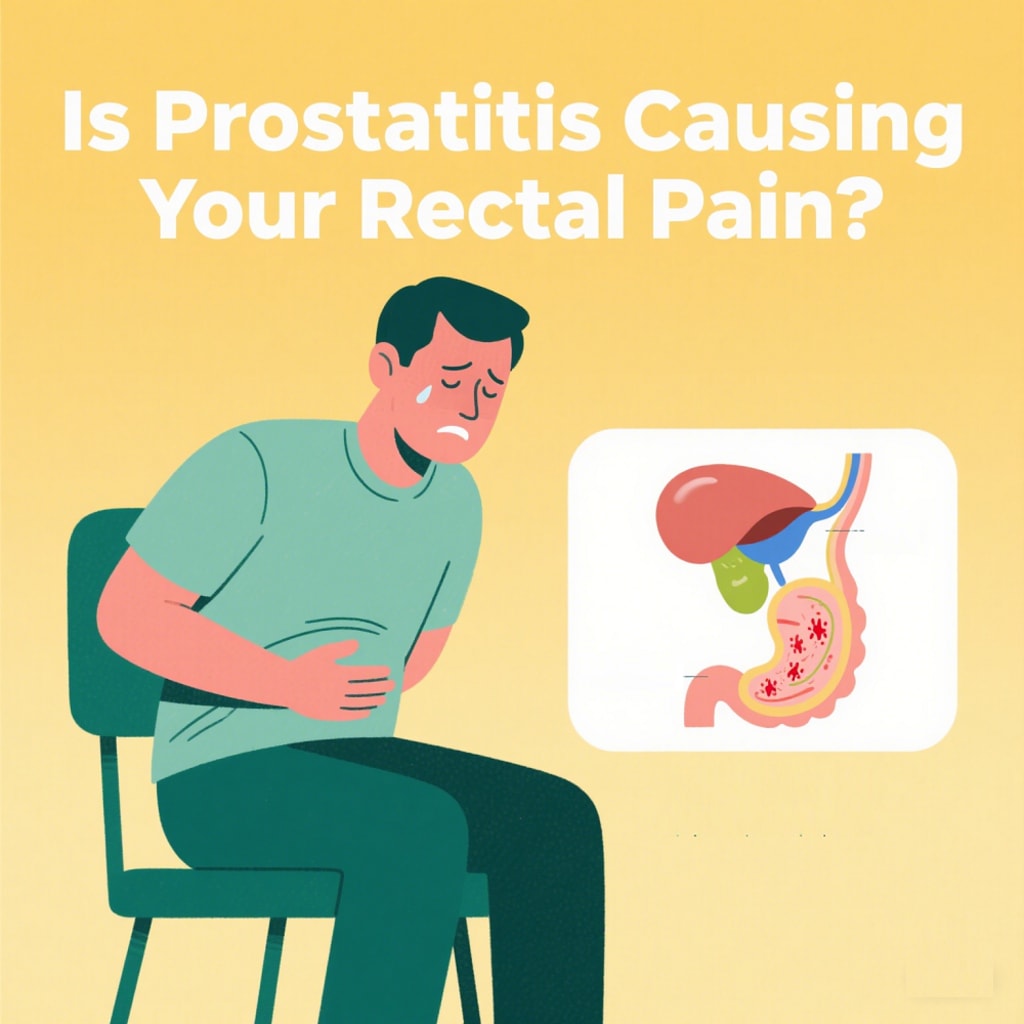
Have you ever felt an nagging ache in your rectum that just won’t quit? Maybe it’s paired with a frequent urge to urinate or a heavy feeling in your pelvis. If you’re a guy, you might be wondering: Could this be prostatitis? The answer is yes, it’s possible—and you’re not alone. Prostatitis, or inflammation of the prostate, can cause discomfort that radiates to surprising places, like your rectum. Let’s dive into why this happens, what other signs to watch for, and practical steps to ease the pain.
Why Does Prostatitis Cause Rectal Pain?
Your prostate is a small, walnut-sized gland that sits just below your bladder and right in front of your rectum. Think of it as a neighbor to your digestive system’s back door. When the prostate gets inflamed—whether from infection, stress, or other triggers—it can swell and press on nearby nerves. This pressure often leads to rectal pain, which can feel like a dull ache, sharp twinge, or even a burning sensation.
Here’s what’s going on behind the scenes:
Close Quarters: The prostate’s proximity to the rectum means any swelling can irritate the nerves shared between the two areas, causing discomfort to spill over.
Referred Pain: Inflammation can trick your brain into feeling pain in nearby spots, like your rectum, lower back, or the area between your scrotum and anus (known as the perineum).
Pelvic Tension: Chronic prostatitis can tighten your pelvic floor muscles, adding to rectal discomfort.
For example, imagine your prostate as an overinflated balloon in a crowded room. It bumps into everything nearby, including the rectum, causing all sorts of aches. That’s prostatitis at work.
Other Red Flags of Prostatitis
Rectal pain is just one piece of the puzzle. Prostatitis often comes with a mix of symptoms that can clue you in. Keep an eye out for:
Urinary Troubles: A burning sensation when you pee, frequent trips to the bathroom, or a weak urine stream.
Pelvic Heaviness: A constant “full” or heavy feeling in your pelvis or groin.
Pain After Ejaculation: Discomfort that flares up after sexual activity.
Fever or Chills: These might point to bacterial prostatitis, especially if you feel under the weather.
If any of these sound familiar, it’s worth digging deeper. Prostatitis can vary from mild to debilitating, so catching it early is key.
Could It Be Something Else?
Before you pin the blame on prostatitis, know that rectal pain can have other culprits. Conditions like hemorrhoids, anal fissures, or even digestive issues can mimic similar discomfort. A doctor can help sort it out with a physical exam, urine test, or prostate-specific antigen (PSA) test to confirm what’s going on. Don’t play the guessing game—clarity is worth the visit.
Practical Steps to Ease Prostatitis Symptoms
The good news? Prostatitis is treatable, and you can start feeling better with a mix of lifestyle tweaks, medical options, and holistic support. Here’s how to take charge:
1. Make Simple Lifestyle Changes
Small adjustments can go a long way in calming an inflamed prostate:
Watch Your Diet: Spicy foods, caffeine, and alcohol can irritate your bladder and prostate. Swap them for soothing options like water, herbal teas, or anti-inflammatory foods like berries and leafy greens.
Try Warm Sitz Baths: Soaking in a warm tub for 10–15 minutes can relax tight pelvic muscles and ease rectal pain.
Stay Active: Gentle exercises like walking or yoga can improve blood flow and reduce pelvic tension.
2. Explore Medical Treatments
If symptoms persist, a doctor might recommend:
Antibiotics: For bacterial prostatitis, a course of antibiotics can clear the infection.
Alpha-Blockers: These medications relax the muscles around your prostate and bladder, making urination easier.
3. Consider Natural Remedies
For men with chronic or stubborn prostatitis, herbal formulas like the Diuretic and Anti-inflammatory Pill offer a gentle, holistic approach. This natural remedy targets inflammation, improves urinary flow, and supports prostate health without the harsh side effects of long-term medications. Curious? Learn more at diureticspill.com.
4. Know When to See a Doctor
Don’t ignore red flags like:
Pain lasting more than 1–2 weeks.
Blood in your urine or semen.
Fever, chills, or flu-like symptoms.
These could signal a more serious infection or condition that needs prompt attention.
Why Act Now?
Prostatitis isn’t just about discomfort—it can affect your quality of life, from disrupting sleep to dampening your confidence. The sooner you address it, the faster you can get back to feeling like yourself. Plus, untreated prostatitis can sometimes lead to complications, like chronic pain or urinary issues, so don’t brush it off.
Your Path to Relief Starts Today
If rectal pain has you wondering about prostatitis, you’re already taking the first step by learning more. Start with small changes, like cutting back on coffee or trying a warm bath. Talk to your doctor to rule out other causes and explore treatments that fit your needs. And if you’re looking for a natural boost, the Diuretic and Anti-inflammatory Pill might be worth a try for its inflammation-fighting power.
Your body’s sending you a signal—listen to it. From today, take one step toward better prostate health and reclaim your comfort. You’ve got this!
About the Creator
Men's Health
Sharing valuable insights on men's health—covering everything from wellness tips to common health concerns. Stay informed and take control of your well-being!
Keep reading
More stories from Men's Health and writers in Men and other communities.
Unveiling the Mystery: Why Are Your Testicles Suddenly Going Soft?
The testicles, housed within the scrotum, are vital male reproductive organs responsible for sperm production and hormone regulation. The scrotum plays a crucial role in maintaining an optimal temperature for testicular function—contracting in cold conditions and relaxing in warmth, which can lead to temporary changes in testicular firmness and size. However, persistent softness in the testicles may indicate underlying health concerns that require medical attention.
By Men's Health8 months ago in Men
The Fortune in the Mop Bucket: The Janitor Who Secretly Funded a Stranger's Future
The halls of a high school after dark are a strange, liminal space. During the day, they are a cacophony of slamming lockers, shouting teenagers, and the squeak of sneakers. But after 4:00 PM, when the last bus pulls away and the teachers pack up their grading, the building exhales. It becomes a cavern of silence, smelling of floor wax, stale chalk dust, and industrial cleaner.
By Frank Massey 7 days ago in Men
Ludacris and Nelly draw backlash over bookings at MAGA-coded music festival
Ludacris and Nelly headlining a mostly right-wing event is good for them. It’s also great for the genre of hip hop. The two rap veterans have showcased their talents on other stages. Why can’t they perform for mostly MAGA folks and grab that bag?
By Skyler Saunders4 days ago in Beat


Comments
There are no comments for this story
Be the first to respond and start the conversation.