
How to Train Industrial Cleaners to Meet High Safety Standards
Hands-On Training for Industrial Cleaners
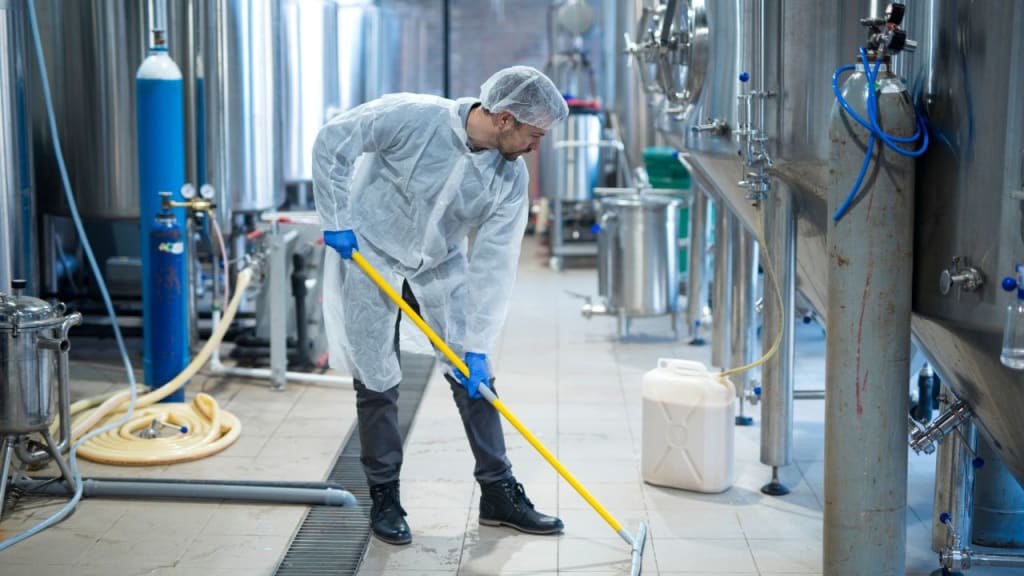
In industrial environments, the role of industrial cleaners extends far beyond maintaining cleanliness. Their work directly impacts the health and safety of employees, regulatory compliance, and overall operational efficiency. Training industrial cleaners to meet high safety standards is essential to ensure their safety and that of others in the workplace. This blog will provide an in-depth guide on training industrial cleaners effectively while emphasizing safety.
Why High Safety Standards Matter for Industrial Cleaners
Industrial cleaning involves unique challenges, such as hazardous chemicals, heavy machinery, and confined spaces. Without proper training, these tasks can pose serious risks, including injuries and accidents. Ensuring high safety standards helps:
- Reduce Workplace Accidents: Properly trained cleaners are less likely to cause or experience accidents.
- Enhance Compliance: Adhering to OSHA or other regional safety guidelines prevents legal issues and penalties.
- Improve Productivity: A safe work environment reduces downtime due to accidents.
- Foster Confidence: Cleaners trained in safety feel more confident in their roles, leading to higher morale and efficiency.
Step 1: Identify Safety Risks for Industrial Cleaners
Before developing a training program, it’s crucial to understand the specific risks associated with industrial cleaning. Common hazards include:
- Chemical Exposure: Industrial cleaners often use strong cleaning agents that can cause skin irritation, burns, or respiratory issues.
- Slips and Falls: Wet surfaces during cleaning increase the risk of slipping.
- Heavy Equipment: Operating or cleaning around machinery requires caution.
- Confined Spaces: Cleaning in limited spaces can lead to suffocation or other health issues.
- Biological Hazards: Certain facilities may have exposure to pathogens or hazardous waste.
Step 2: Develop a Comprehensive Training Program
An effective training program for industrial cleaners should cover key safety standards and equip them with practical skills. Here's a breakdown:
1. Orientation and Safety Guidelines
Begin with a general overview of safety policies in the workplace. Topics to include:
- Importance of Personal Protective Equipment (PPE)
- Emergency procedures
- Basic first-aid knowledge
- Company policies on hazard reporting
2. Chemical Handling and Safety
Training should focus on:
- Understanding Safety Data Sheets (SDS)
- Proper storage and labeling of chemicals
- Handling spills and neutralizing hazards
- Correct use of chemical-specific PPE
3. Ergonomics and Manual Handling
Teach cleaners proper techniques for:
- Lifting heavy equipment or materials
- Avoiding repetitive strain injuries
- Using tools like mop handles or vacuum wands safely
4. Safe Equipment Operation
Demonstrate how to operate and maintain cleaning machines, such as:
- Floor scrubbers
- Pressure washers
- Industrial vacuums
- Provide specific safety protocols for using each piece of equipment.
5. Working in High-Risk Areas
High-risk areas require extra precautions. Training should include:
- Procedures for cleaning confined spaces
- Fall prevention techniques for elevated areas
- Awareness of potential hazards in specific environments, like chemical plants or food processing facilities
Step 3: Provide Hands-On Training
While theoretical knowledge is essential, hands-on training solidifies skills and ensures that cleaners are comfortable with safety protocols.
- Simulated Scenarios: Conduct mock drills for emergency situations, such as chemical spills or fire evacuations.
- Supervised Practice: Allow trainees to work under supervision while implementing what they’ve learned.
- Equipment Demonstrations: Ensure every trainee can confidently operate machinery and tools.
Step 4: Emphasize Personal Protective Equipment (PPE)
Proper use of PPE is a cornerstone of safety for industrial cleaners. The training should include:
- Proper donning, doffing, and disposal methods
- Regular checks for wear and tear
- Encourage trainees to treat PPE as their first line of defense against hazards.
Step 5: Instill a Culture of Safety
Safety should be a part of daily routines rather than an afterthought. Foster a culture of safety by:
- Encouraging Reporting: Train staff to report hazards or near-miss incidents immediately.
- Regular Safety Meetings: Conduct meetings to review incidents, discuss updates, and reinforce best practices.
- Rewarding Compliance: Recognize employees who consistently adhere to safety standards.
Step 6: Conduct Ongoing Training
Safety training isn’t a one-time event. Periodic refresher courses and updates ensure cleaners stay informed about the latest safety standards.
- Annual Refresher Training: Revisit core safety concepts annually.
- New Equipment Training: Provide additional training whenever new machinery or tools are introduced.
- Changes in Regulations: Update training to reflect changes in safety laws or industry standards.
Tools and Resources for Training Industrial Cleaners
Effective training relies on the right tools and resources, such as:
- Safety Manuals: Provide written guides outlining safety procedures.
- Online Courses: Leverage e-learning platforms for flexibility.
- Visual Aids: Use videos and infographics to explain complex concepts.
- Onsite Experts: Engage safety consultants or experienced staff to lead training sessions.
Measuring the Success of Training Programs
To ensure your training efforts are effective, evaluate them regularly using:
- Assessments: Use quizzes or practical tests to measure understanding.
- Performance Reviews: Observe cleaners on the job to ensure compliance.
- Incident Reports: Monitor workplace safety data to see if accidents decrease after training.
Conclusion
Training industrial cleaners to meet high safety standards is essential for maintaining a safe, efficient, and compliant workplace. By addressing risks, providing comprehensive and ongoing training, and fostering a culture of safety, businesses can ensure that their industrial cleaners are well-equipped to perform their duties safely and effectively.
Investing in proper training not only protects employees but also enhances productivity and builds a positive reputation for your business. A well-trained cleaning team is the backbone of any successful industrial operation.
About the Creator
Keep reading
More stories from Commercial Clean Gold Coast and writers in Men and other communities.
Transform Your Workspace with Professional Office Cleaners: A Fresh Approach to Productivity and Well-being
In today’s fast-paced business world, maintaining a clean and organized workspace is more than just a matter of aesthetics; it’s a crucial component of employee well-being, productivity, and overall business success. Yet, despite its importance, office cleaning is often overlooked or underestimated. Enter professional office cleaners — the unsung heroes who ensure a spotless environment but also contribute significantly to a healthier, more efficient workplace.
By Commercial Clean Gold Coastabout a year ago in Journal
How to Handle a Midlife Crisis Like a Champion
Feeling stuck, restless, or questioning everything about your life? You're not alone. Millions of people experience a midlife crisis between their 40s and 60s, and while it feels overwhelming, you can absolutely navigate this challenging time with confidence and purpose.
By LaMarion Ziegler8 days ago in Men
Why Men Struggle to Ask for Help (And How to Change)
We've all seen it—the friend who's clearly struggling but insists he's "fine," the colleague pulling all-nighters instead of asking for support, or maybe we've been that guy ourselves. Men asking for help remains one of the most challenging conversations we need to have, yet it's happening less than it should.
By LaMarion Ziegler8 days ago in Men


Comments
There are no comments for this story
Be the first to respond and start the conversation.