
How Rolex Became the Most Iconic Luxury Watch Brand?
The Legacy, Innovation, and Prestige That Made Rolex a Timeless Icon.
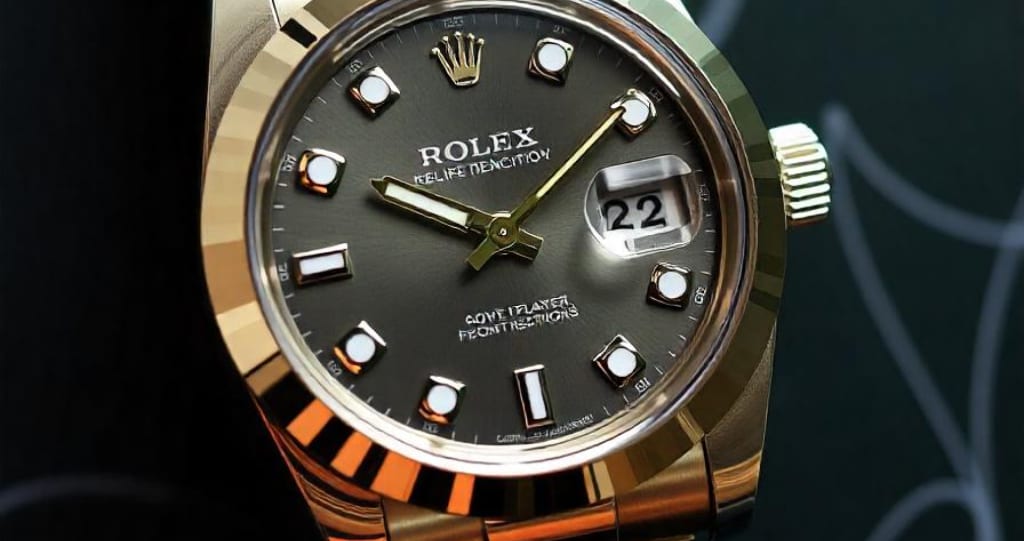
When you hear the word "luxury watch," chances are Rolex is the first name that comes to mind. Whether you're a seasoned collector or just someone who appreciates fine craftsmanship, Rolex has become synonymous with prestige, reliability, and timeless style. But how did this Swiss brand rise to the top and cement its status as the most iconic luxury watchmaker in the world? Let’s dive into the story behind Rolex’s legendary reputation.
A Legacy of Innovation
Rolex was founded in 1905 by Hans Wilsdorf and Alfred Davis in London. From the very beginning, Wilsdorf had a vision: to create watches that were not only elegant but also precise and durable. This led to Rolex pioneering some of the most important innovations in watchmaking.
First Waterproof Watch (1926) – Rolex introduced the Oyster, the world’s first waterproof wristwatch, revolutionizing how watches were worn and perceived.
Perpetual Movement (1931) – The first self-winding mechanical movement with a rotor system, which became the foundation of modern automatic watches.
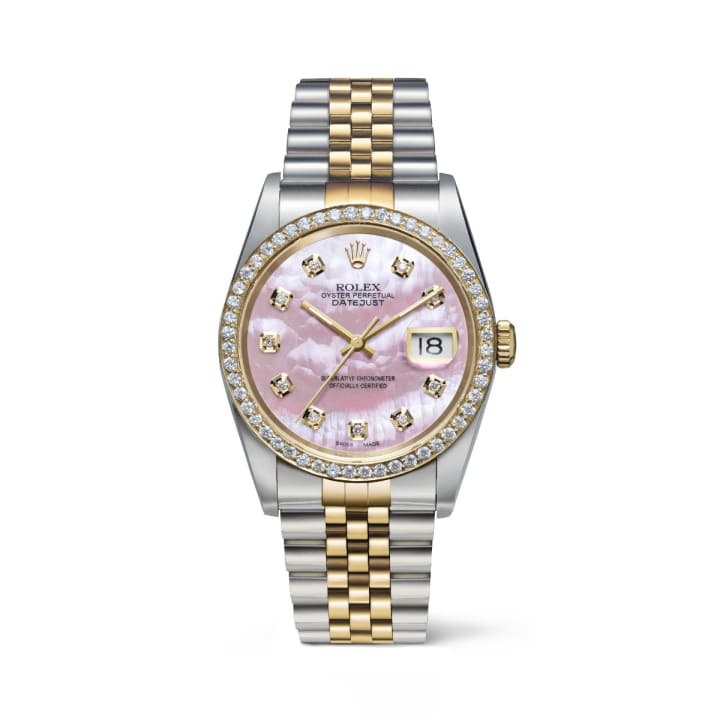
The Datejust (1945) – The first watch to display the date on the dial, setting a new standard for wristwatches.
The Submariner (1953) – A professional-grade dive watch that became a pop culture icon.
These breakthroughs weren’t just about innovation; they shaped the entire watch industry and positioned Luxury Rolex watch as the leader in high-performance luxury timepieces.
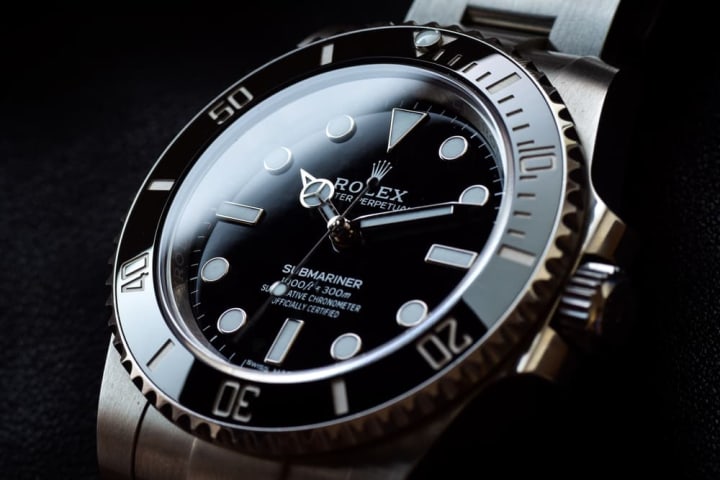
Precision and Reliability: Built to Last
One reason Rolex has maintained its prestige is its reputation for unmatched durability and precision. Unlike many luxury brands that prioritize aesthetics over function, Rolex has always focused on making tough, reliable, and extremely accurate watches.
- Rolex watches are tested under extreme conditions—deep-sea diving, mountain climbing, and even space missions.
- Each Rolex movement is COSC-certified, meaning it meets the highest standards of accuracy in Swiss watchmaking.
- The brand uses 904L stainless steel (Oystersteel), which is stronger and more corrosion-resistant than standard stainless steel used in other watches.
- This commitment to quality means that a Rolex isn’t just a fashion statement—it’s built to last a lifetime and beyond.
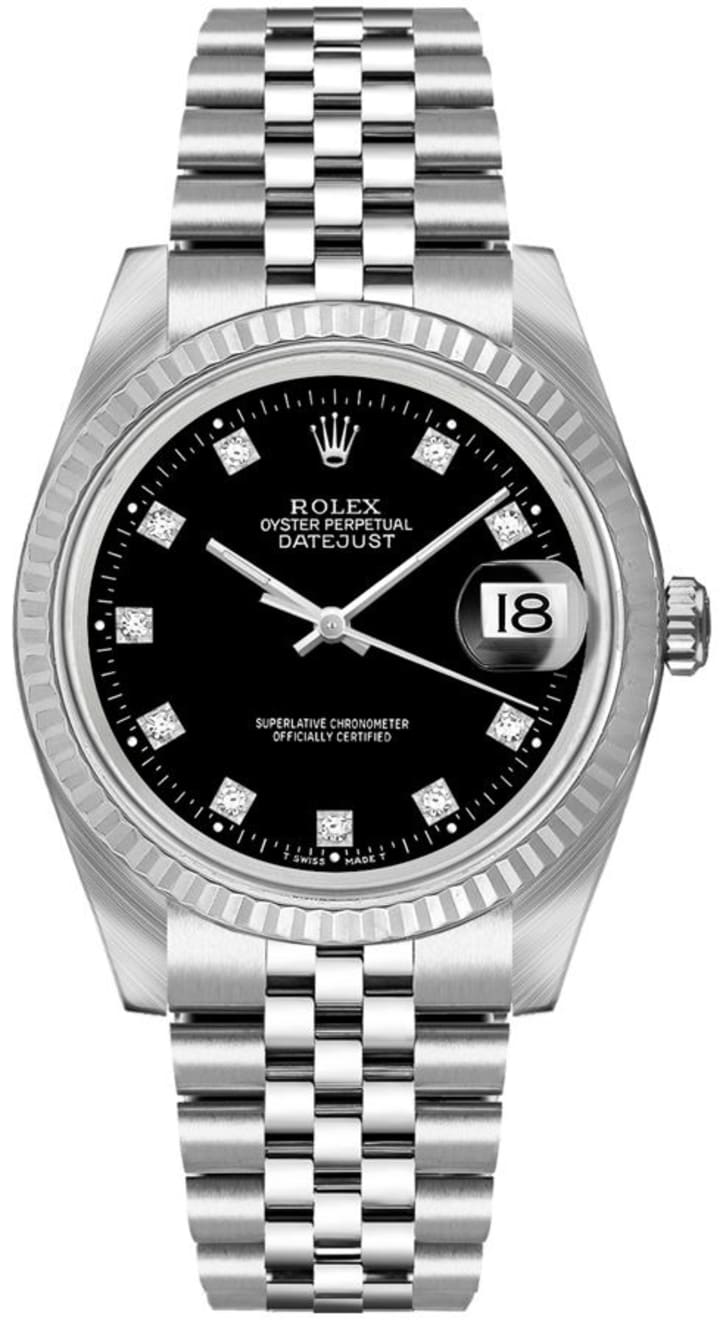
A Symbol of Success and Status
Beyond technical excellence, Rolex watches for men has successfully positioned itself as a status symbol. Owning a Rolex is often seen as a mark of success, achievement, and taste.
- Celebrities like Paul Newman, Steve McQueen, and James Bond (Sean Connery’s 007) have worn Rolex, cementing its place in pop culture.
- Rolex watches are associated with high achievers—CEOs, world leaders, and sports legends often wear them as a sign of accomplishment.
- Unlike trendy luxury brands, Rolex maintains a classic and timeless design, making its watches just as desirable today as they were decades ago.
- This level of prestige isn’t just a marketing gimmick; it’s something Rolex has built over more than a century of excellence.
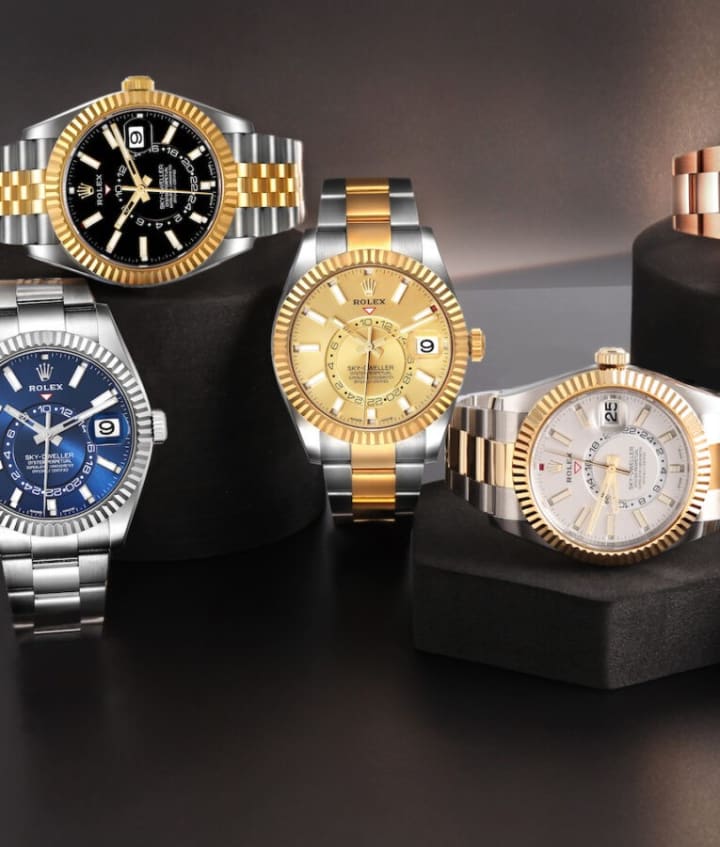
Limited Production and High Demand
Another key factor behind Rolex’s iconic status is its scarcity. Unlike many watch brands that mass-produce their models, Rolex tightly controls its production.
- The brand is known for long waiting lists—some Rolex models, like the Daytona or Submariner, have wait times of several years.
- Rolex never discounts or floods the market, keeping its value high.
- Many Rolex watches appreciate in value, making them a popular investment for collectors.
This combination of exclusivity and demand has helped Rolex maintain its aura of prestige.
Quartz vs. Automatic: Why Rolex Stuck to Tradition
During the 1970s, the Quartz Revolution (or Quartz Crisis) disrupted the watch industry. Quartz watches, powered by batteries, became highly popular due to their affordability and superior accuracy compared to traditional mechanical watches. Many Swiss brands either adapted or struggled to survive.
However, Rolex took a different approach.
While Rolex briefly produced a few quartz models (like the Rolex Oysterquartz), the brand remained dedicated to automatic movements, emphasizing craftsmanship over mass production.
Unlike quartz watches, which rely on a battery, Rolex’s automatic watches are powered by the movement of the wearer’s wrist, reflecting a heritage of mechanical mastery.
Rolex positioned itself as a brand for those who appreciate tradition, luxury, and engineering—not just timekeeping accuracy.
The Power of Timeless Design
Rolex has mastered the art of evolution, not revolution. Unlike other luxury brands that frequently update their designs, Rolex refines its classic models over time while keeping their essence intact.
The Submariner, Daytona, and Datejust have remained largely the same for decades, with subtle improvements in materials and mechanics.
This consistency makes Rolex watches instantly recognizable and ensures they never go out of style.
Many people pass their Rolex down as a family heirloom, further enhancing the brand’s timeless appeal.
Conclusion: More Than Just a Watch
Rolex isn’t just a watch brand—it’s a legend. From pioneering technological advancements to becoming a global symbol of status and success, Rolex has earned its place as the most iconic luxury watchmaker of all time.
Whether you're buying one for investment, style, or sentimental value, a Rolex is more than just a timepiece—it’s a statement that lasts a lifetime.
About the Creator
Beating The Odds And Doctor Death
Hello Death To think that I was happy, content, and comfortable just a few short years ago, makes me long for the past. When everything changed, it all spiraled pretty fast. And yet, out of all the constant ickyness, somehow the need to survive and fight back hasn't died off in me.
By Jason Ray Morton a day ago in Men
Unofficial Challenge: Black History Celebration
Forward: February 28th, 10:53 PM, EST... The final hour of Black History Month, 2026. Hello fellow writers. I've had this challenge waiting in my drafts for most of the month. But I held off on publishing it, until now.
By Sam Spinelli6 days ago in Writers


Comments (1)
Rolex makes amazing watches! I also like tag heuer, brightling, fossil and stauer! Good work