
How Metal Forging Continues to Shape Modern Manufacturing and Evolution
The Ancient Art Meets Modern Technology
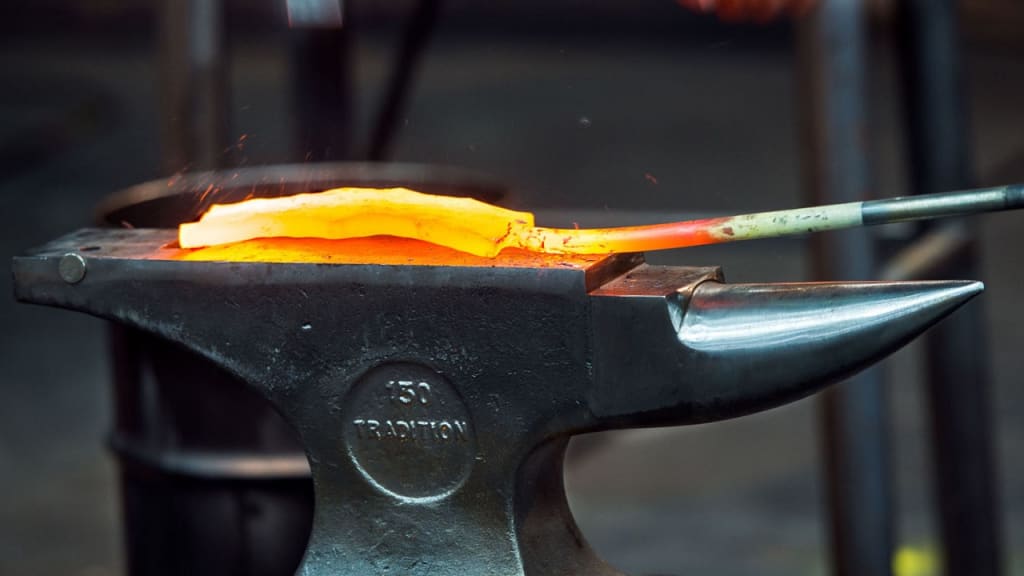
Metal forging, one of humanity's oldest manufacturing processes, has evolved from primitive hammering techniques to sophisticated automated systems that drive today's industrial landscape. This fundamental metalworking process, which involves shaping metal through compressive forces, remains irreplaceable in producing high-strength components for various sectors, from aerospace to automotive industries. Modern forging operations combine traditional principles with cutting-edge technology, creating a perfect synthesis of ancient craftsmanship and contemporary engineering.
Economic Impact and Dynamics
The global Forging has witnessed substantial growth, currently valued at approximately $85 billion and projected to reach $120 billion by 2027. This growth is primarily driven by increasing demand from emerging economies and the continuous expansion of manufacturing sectors worldwide. North America and Europe maintain their positions as major players, while Asia-Pacific regions, particularly China and India, demonstrate remarkable growth in forging capabilities and output. The Sector's economic footprint extends beyond direct manufacturing, creating substantial employment opportunities and supporting numerous auxiliary industries.
Technological Advancements Revolutionizing Forging Processes
Recent years have witnessed unprecedented technological advancement in forging processes. Computer-aided design (CAD) and simulation software now allow manufacturers to optimize die designs and predict material behavior before actual production begins. Integration of artificial intelligence and machine learning has enhanced process control and quality assurance, significantly reducing waste and improving productivity. Advanced sensors and real-time monitoring systems ensure precise temperature control and force application, resulting in consistently high-quality products. These technological innovations have transformed traditional forging operations into smart manufacturing facilities, capable of meeting the exacting standards of modern industries.
Sustainability and Environmental Considerations
As environmental consciousness grows, the forging Sector has made significant strides in sustainable practices. Modern forging operations incorporate energy-efficient heating systems, closed-loop water recycling, and advanced waste management protocols. The Sector's inherent advantage lies in its ability to produce near-net-shape components, minimizing material waste compared to other manufacturing processes. Furthermore, forged components are entirely recyclable, contributing to the circular economy. Many facilities now utilize renewable energy sources and implement green technologies to reduce their carbon footprint while maintaining productivity.
Applications Across Diverse Industries
The versatility of forging processes has found applications across numerous industrial sectors. In aerospace, forged components are crucial for aircraft engines and structural elements, where material integrity and performance are paramount. The automotive Sector relies heavily on forged parts for engine components, transmission systems, and safety-critical items. Power generation, oil and gas, railways, and defense sectors continue to depend on forged components for their durability and reliability. The medical Sector has also embraced forging for producing surgical instruments and implants, highlighting the process's adaptability to various applications.
Quality Control and International Standards
Quality assurance in forging has become increasingly sophisticated, with manufacturers implementing comprehensive testing and certification protocols. Non-destructive testing methods, including ultrasonic inspection and magnetic particle testing, ensure component integrity without compromising the product. International standards such as ISO 9001 and Sector-specific certifications govern production processes, maintaining consistent quality across global supply chains. These stringent quality control measures have enhanced the reliability of forged products and built customer confidence across industries.
Workforce Development and Skills Evolution
The forging faces an interesting challenge in workforce development. While automated systems have reduced the need for traditional manual skills, they have created demand for technologically proficient operators and engineers. Companies are investing in training programs that combine traditional forging knowledge with modern technical skills. Apprenticeship programs, partnerships with educational institutions, and continuous professional development initiatives ensure the Sector maintains a skilled workforce capable of operating advanced equipment and understanding complex processes.
Future Trends and Innovation Prospects
The forging Sector continues to evolve with emerging technologies and changing. Additive manufacturing is being integrated with traditional forging processes, creating hybrid manufacturing solutions that combine the benefits of both technologies. Development of new alloys and materials presents opportunities for expanding forging applications. Sector 4.0 principles are being increasingly adopted, leading to smart factories with enhanced connectivity and data-driven decision-making capabilities. Research into novel forging techniques, including precision forging and near-net-shape forming, promises to further expand the Sector's capabilities.
Competition and Trade
Global competition in the forging Sector has intensified, with emerging s challenging traditional manufacturing strongholds. Companies are responding through strategic investments in technology, capacity expansion, and value-added services. Trade policies, tariffs, and regional economic agreements significantly influence dynamics and supply chain strategies. Successful companies are those that maintain technological leadership while adapting to changing conditions and customer requirements.
Get More Insights On: Forging
Get this report in Japanese Language – 鍛造
Get this report in Korean Language –단조
About Author:
Money Singh is a seasoned content writer with over four years of experience in the market research sector. Her expertise spans various industries, including food and beverages, biotechnology, chemical and materials, defense and aerospace, consumer goods, etc. (https://www.linkedin.com/in/money-singh-590844163)
About the Creator
Keep reading
More stories from carollakra and writers in Men and other communities.
Rise of Pearl Milk Tea: Bubble Tea’s Worldwide Trend
Origins and Development Pearl milk tea, also commonly known as bubble tea or boba tea, can trace its origins to tea culture in Taiwan in the 1980s. The tea-based drink is prepared by adding chewy tapioca pearls, aka "boba", to a base of tea that is often black tea or green tea. Milk is also added for creaminess. The tapioca balls provide a unique texture unlike other tea drinks.
By carollakra11 months ago in Humans
SIGNS OF of A HIGH VALUE MAN:
1. He Has a Job and Takes Responsibility A high-value man understands the importance of responsibility. Whether he is building a career, running a business, or working toward something meaningful, he believes in earning his way and standing on his own feet. He does not rely on others to carry his burdens or solve his problems. Instead, he takes ownership of his life and the direction it is going. Responsibility also shows in the way he handles commitments, whether personal or professional. People trust him because he follows through on what he promises.
By The Curious Writer3 days ago in Men



Comments
There are no comments for this story
Be the first to respond and start the conversation.