
How Long Does It Take for Prostate Massage to Show Results in Chronic Prostatitis?
Prostate Massage for Chronic Prostatitis?

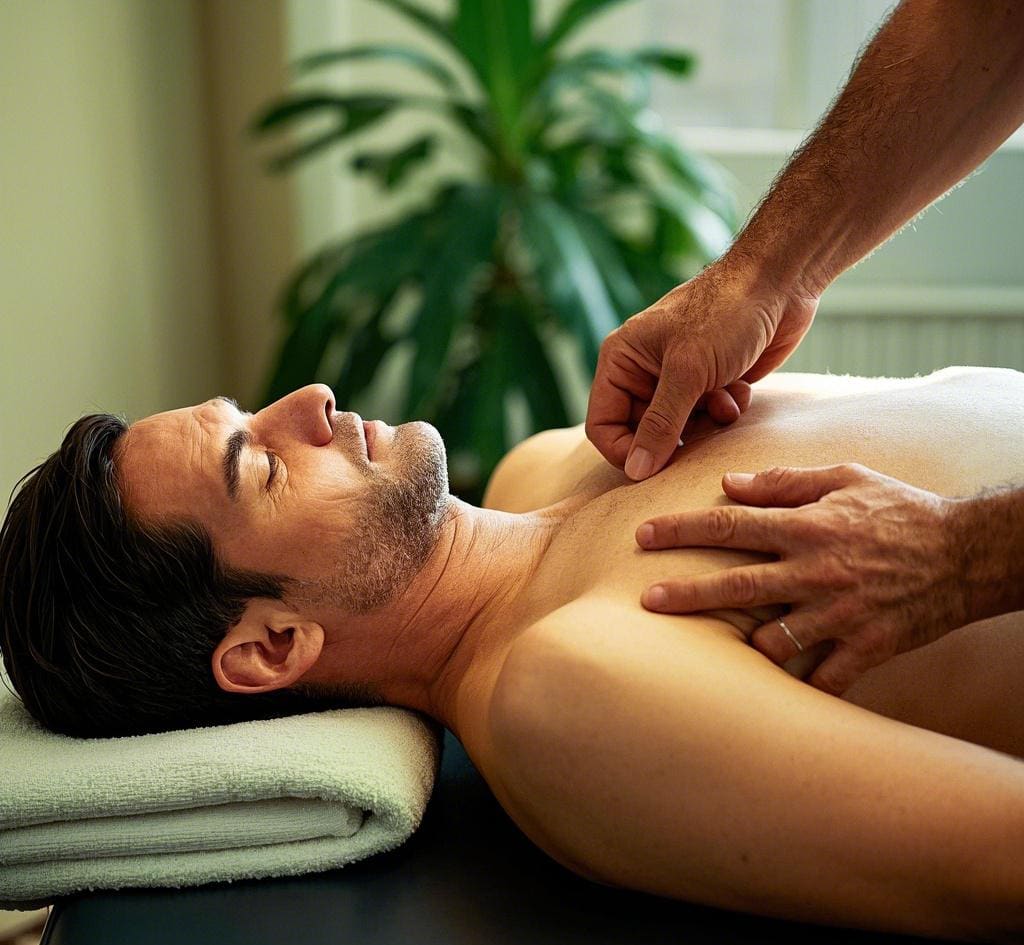
Chronic prostatitis is a common issue in male health, and many patients encounter prostate massage as a treatment option. So, how long does it take for prostate massage to show results in chronic prostatitis? This is a question many patients are eager to understand.
Chronic prostatitis is a prevalent urological condition that not only causes symptoms such as frequent urination, urgency, and painful urination but can also lead to perineal and lower abdominal pain, as well as impact sexual function and fertility. This can severely affect the patient's quality of life. Prostate massage, as an adjunctive treatment, plays an important role in the comprehensive management of chronic prostatitis.
From a theoretical perspective, prostate massage primarily involves regularly massaging the prostate to help expel prostate fluid. This process offers multiple benefits: it helps to clear harmful substances like bacteria and inflammatory secretions from the prostate ducts, reducing local inflammation. Additionally, it promotes the circulation and excretion of prostate fluid, improving blood circulation in the prostate, providing the prostate tissue with more nutrients, and enhancing its natural resistance.
However, there is no fixed answer to how long it takes for prostate massage to show results in chronic prostatitis. The effectiveness time varies due to several factors. The severity of the patient's condition is a key factor. For patients with mild symptoms and a short duration of chronic prostatitis, it is relatively easier to expel blockages from the prostate ducts during massage, restoring normal prostate drainage function. Generally, patients in this category may experience relief of symptoms, such as a reduction in the frequency of urination, urgency, and perineal pain, after consistently undergoing massage for 2-4 weeks.
In contrast, if the patient's condition is more severe, with prolonged inflammation in the prostate and possible fibrosis or scarring of the prostate ducts, making fluid expulsion difficult, it may take 2-3 months, or even longer, to see noticeable results. Even with long-term massage, symptoms may improve but not completely resolve, requiring additional treatments such as medication or physical therapy.
Patient cooperation with standardized treatment also significantly affects the time it takes for massage to show results. Prostate massage for chronic prostatitis must be performed strictly according to the doctor's advice, including frequency and pressure. Typically, 2-3 prostate massages per week are optimal. Excessive frequency may damage the prostate and worsen inflammation, while insufficient frequency will not achieve ideal therapeutic effects.
Moreover, the massage pressure should be moderate—too light will not effectively promote prostate fluid expulsion, while too much pressure may cause pain or even lead to prostate bleeding. In addition to massage, patients should adjust their lifestyle. Regular sleep, avoiding prolonged sitting, moderate exercise, and a light diet all contribute to better massage therapy outcomes and faster symptom relief. If patients continue with poor lifestyle habits, such as staying up late, drinking excessively, or consuming spicy foods, the effectiveness of the massage will be diminished, and the time to see results will be prolonged.
Different massage techniques can also affect the time it takes to see results. The most common methods are transrectal and perineal massage. Transrectal massage can directly target the prostate, providing relatively better results, but it requires careful attention to hygiene to avoid infection. Perineal massage is simpler and safer, and patients can perform it at home, though it may not provide as much stimulation to the prostate.
Generally, a professional transrectal massage conducted by a doctor may produce quicker symptom improvement, while self-performed perineal massage may take longer to show results.
The time it takes for prostate massage to show results in chronic prostatitis varies from person to person and is influenced by factors such as the severity of the condition, whether the patient follows a standardized treatment plan, and the massage technique used.
Patients should be patient during the massage treatment process, actively cooperate with their doctor's treatment plan, and adjust their lifestyle to maximize the therapeutic effect of prostate massage and relieve the discomfort caused by chronic prostatitis as soon as possible.
If any unusual symptoms, such as increased pain or blood in the urine, occur during the massage treatment, medical attention should be sought promptly to adjust the treatment plan.
About the Creator
Amanda Chou
Looking to restore your life troubled by prostatitis, epididymitis, seminal vesiculitis and other male reproductive system diseases? Here are the resource to help you in this endeavor.
Keep reading
More stories from Amanda Chou and writers in Men and other communities.
Prostatitis and Insomnia: How Chronic Prostate Inflammation Affects Your Sleep
Prostatitis, a common but often misunderstood condition, affects millions of men worldwide. Characterized by inflammation of the prostate gland, it can cause pain, urinary issues, and sexual dysfunction. What many men don’t realize, however, is the significant impact prostatitis can have on sleep. This article explores the connection between prostatitis and insomnia, and offers tips for managing both conditions naturally.
By Amanda Chouabout a year ago in Men
5 Subtle Signs of Strong Reproductive Vitality in Men
There’s an old saying that the body whispers before it shouts. We’re conditioned to measure health in loud, obvious metrics: the number on a scale, the definition of a bicep, the results of a blood test. But true vitality—the kind that fuels not just daily energy but our very biological potential—often manifests in quieter, more subtle ways.
By namkoong kevin5 days ago in Men
Bomb Scare
It was 2027, and the world never thought it would happen. A missle hit the United States, but it wasn't where they had anticipated. A little town in the northeast was hit by a missile strike, they didn't know why, and they didn't know exactly where it hit, but they did know it was a coastal community, somewhere between Maine and Delaware.
By Gregory Paytonabout 20 hours ago in Fiction




Comments
There are no comments for this story
Be the first to respond and start the conversation.