
How did Men's Fashion Evolve Since The 2000s
Let's have a look at how men style has changed

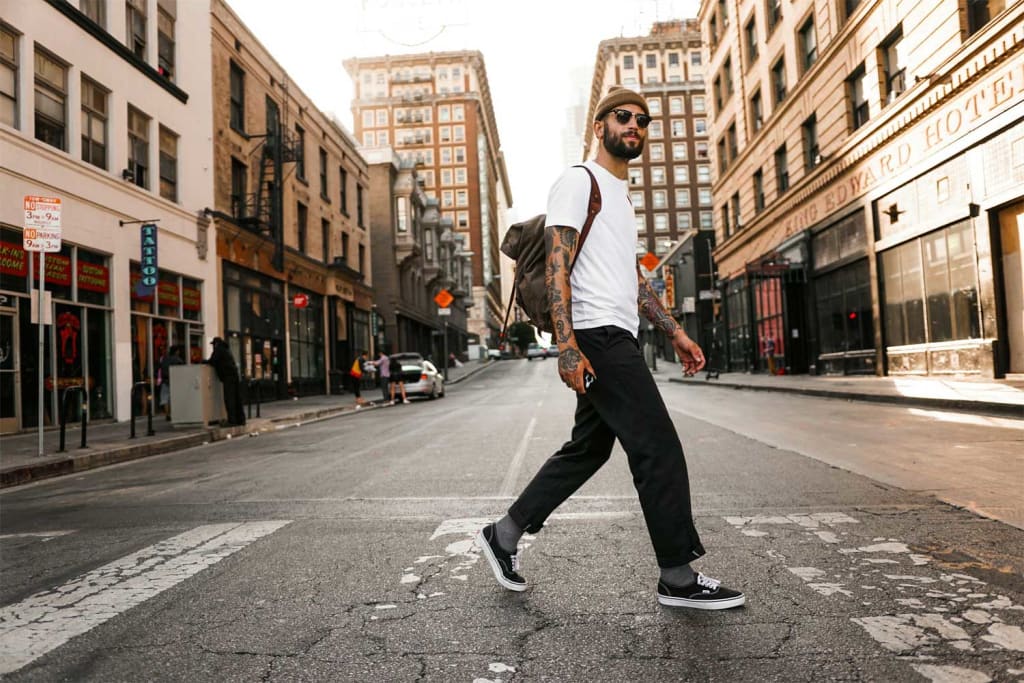
Men's fashion has undergone a remarkable transformation since the turn of the millennium. The early 2000s marked a transitional period in style, where the influence of late 1990s minimalism began to give way to more expressive and diverse sartorial choices. Over the past two decades, shifts in cultural values, technological advancements, and global connectivity have reshaped the way men dress, leading to a broader acceptance of individuality and experimentation in fashion.
The Early 2000s: Casual Dominance and Brand Visibility
The early years of the 21st century were defined by a strong emphasis on casualwear and brand-centric aesthetics. Denim played a central role, often worn in oversized silhouettes with distressed finishes. Logos were prominently displayed across T-shirts, hoodies, and sneakers, reflecting a consumer culture that valued brand affiliation as a form of identity. Labels such as Abercrombie & Fitch, Diesel, and Ed Hardy gained popularity, particularly among younger demographics.
Tailoring during this period remained conservative, with boxy suits and wide lapels dominating formalwear. The influence of hip-hop and streetwear began to permeate mainstream fashion, introducing baggy jeans, oversized jerseys, and Timberland boots into everyday wardrobes. This era also saw the rise of fast fashion, with retailers like Zara and H&M offering trend-driven pieces at accessible price points, accelerating the pace of style turnover.

Mid-2000s to Early 2010s: Slim Cuts and Heritage Revival
By the mid-2000s, a shift toward slimmer silhouettes began to take hold. Skinny jeans, fitted blazers, and tailored shirts became staples, reflecting a renewed interest in clean lines and proportion. This period marked the resurgence of heritage menswear, with brands such as Barbour, Red Wing, and Ralph Lauren drawing inspiration from traditional workwear and Americana.
The influence of British style also gained traction, with the popularity of mod-inspired looks, trench coats, and brogues. Menswear blogs and online forums emerged as influential platforms, allowing enthusiasts to share knowledge and refine their personal style. The rise of e-commerce further democratized fashion, enabling access to niche labels and international designers.
Menswear during this time embraced a more polished aesthetic, often referred to as "metrosexual" in popular media. Grooming became an integral part of style, with increased attention to skincare, haircare, and fragrance. The suit experienced a renaissance, with slimmer cuts, shorter jackets, and narrow lapels reflecting a contemporary approach to tailoring.
2010s: Streetwear Ascendancy and High-Low Fusion
The 2010s witnessed the meteoric rise of streetwear as a dominant force in men's fashion. Brands such as Supreme, Off-White, and Palace redefined the boundaries between luxury and casualwear, blending graphic design, limited releases, and cultural commentary into their collections. Sneakers became central to the male wardrobe, with collaborations between sportswear giants and high-fashion houses driving demand and collectibility.
This decade also saw the emergence of the "high-low" dressing philosophy, where men combined luxury pieces with everyday staples. A cashmere coat might be paired with joggers and designer trainers, reflecting a shift toward comfort and versatility. Athleisure gained prominence, with performance fabrics and athletic silhouettes transitioning seamlessly from the gym to social settings.
Social media platforms, particularly Instagram, played a pivotal role in shaping trends and amplifying individual style. Influencers, stylists, and celebrities curated digital personas that inspired global audiences, while fashion weeks and brand campaigns adapted to the immediacy of online engagement. The concept of exclusivity evolved, with limited drops and online raffles replacing traditional retail models.
Tailoring during the 2010s became more relaxed, with unstructured blazers, drawstring trousers, and soft-shouldered suits reflecting a departure from rigid formality. Designers such as Thom Browne and Alessandro Sartori introduced playful proportions and innovative fabrics, challenging conventional notions of menswear.
Late 2010s to Present: Sustainability, Fluidity, and Personal Expression

As the decade drew to a close, men's fashion began to embrace deeper values and broader perspectives. Sustainability emerged as a central concern, prompting brands to reconsider production methods, material sourcing, and lifecycle impact. Labels such as Patagonia, Stella McCartney, and Pangaia championed ethical practices, while luxury houses introduced upcycled collections and carbon-neutral initiatives.
Gender fluidity gained visibility, with designers exploring silhouettes and garments that transcended traditional binaries. The male wardrobe expanded to include softer fabrics, pastel tones, and accessories once considered feminine. This evolution reflected a cultural shift toward inclusivity and self-expression, where clothing served as a medium for identity rather than conformity.
The global pandemic further accelerated changes in men's fashion. Remote work and lifestyle adjustments led to a prioritization of comfort, resulting in elevated loungewear, knitwear, and hybrid garments. The suit adapted once again, appearing in jersey fabrics, relaxed fits, and modular designs suitable for both professional and casual environments.
Digital fashion also emerged as a frontier, with virtual garments, augmented reality fittings, and blockchain authentication redefining the relationship between clothing and technology. While still nascent, these innovations suggest a future where fashion intersects with digital identity and immersive experiences.
Key Themes and Lasting Impact
Several themes have defined the evolution of men's fashion since 2000. First, the expansion of style vocabulary has allowed men to explore a wider range of silhouettes, colors, and textures. Second, the integration of technology has transformed how fashion is consumed, shared, and experienced. Third, the emphasis on sustainability and ethics has reshaped industry priorities, encouraging transparency and responsibility.
Perhaps most significantly, the notion of personal style has gained prominence. Men today are less bound by rigid dress codes and more empowered to curate wardrobes that reflect their values, interests, and lifestyles. Whether through vintage finds, bespoke tailoring, or avant-garde streetwear, fashion has become a canvas for individuality.
Conclusion
The journey of men's fashion since 2000 reveals a dynamic interplay between tradition and innovation. From the logo-heavy casualwear of the early 2000s to the expressive, value-driven styles of today, the evolution reflects broader cultural shifts and technological progress. As fashion continues to adapt and expand, one constant remains: the enduring power of clothing to communicate, transform, and inspire. For the modern man, style is no longer a fixed template but a fluid and personal narrative shaped by choice, context, and creativity.
About the Creator
Jack Stark
With over a decade in fashion journalism, I specialize in men’s style and accessories. My passion lies in uncovering craftsmanship, exploring trends, and sharing stories that celebrate elegance and identity through design. Wryst watches.
Keep reading
More stories from Jack Stark and writers in Men and other communities.
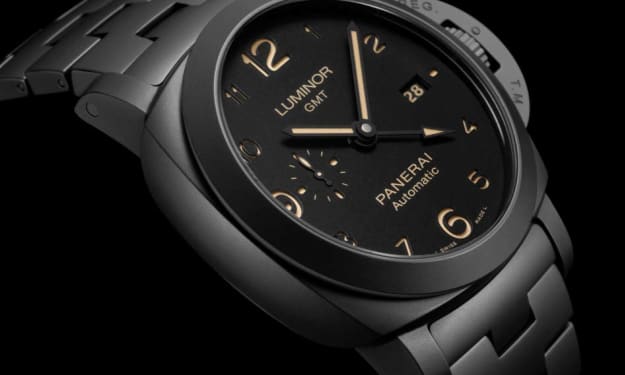
Top 5 Best Black Swiss Designer Watches For Men To Buy
Swiss watchmaking continues to set the global standard for precision, craftsmanship, and enduring style. Within this tradition, black automatic watches have emerged as a bold and sophisticated category, offering a modern interpretation of luxury. These top 5 best black Swiss designer men's watches combine technical excellence with striking aesthetics, appealing to collectors who value both performance and design.
By Jack Stark7 months ago in Men
Beating The Odds And Doctor Death
Hello Death To think that I was happy, content, and comfortable just a few short years ago, makes me long for the past. When everything changed, it all spiraled pretty fast. And yet, out of all the constant ickyness, somehow the need to survive and fight back hasn't died off in me.
By Jason Ray Morton about 19 hours ago in Men
A More Human Vocal
When we launched Vocal nearly a decade ago, the world was a very different place. LLMs did not exist, and stories were created one at a time by people sitting down to write, revise, and share something personal. Many of our assumptions about publishing, trust, and participation were built for a world where effort and output were inseparable.
By Justin @ Vocalabout 20 hours ago in Resources


Comments
There are no comments for this story
Be the first to respond and start the conversation.