
Holistic Prostate Care: TCM Constitution Assessment and Seasonal Self-Care Tips
TCM Constitution Assessment and Seasonal Self-Care Tips

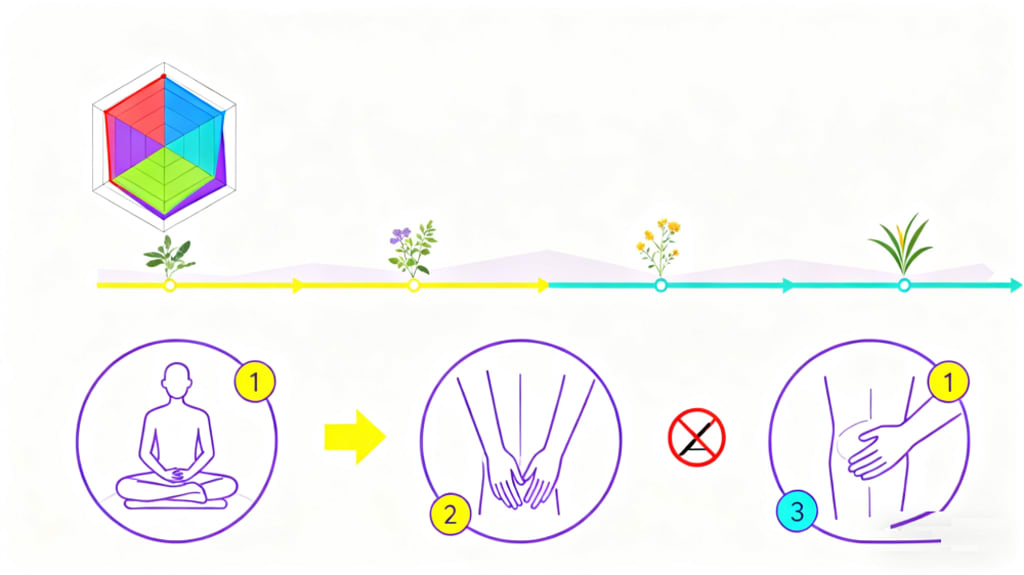
Prostate health is a cornerstone of men’s well-being, influencing urination, sexual function, and overall vitality. Yet, many men only realize its importance when discomfort arises. While “prostate massage” is often mentioned online, doing it incorrectly at home can be risky. Traditional Chinese Medicine (TCM) offers a safer, holistic approach by focusing on body constitution and seasonal adjustments. Understanding your unique constitution and the rhythms of the seasons can help reduce urinary issues, pelvic discomfort, and inflammation—without invasive procedures.
Understanding Your Body Constitution
TCM categorizes men into different constitutions such as Yang deficiency, Yin deficiency, damp-heat, and Qi stagnation with blood stasis. Each type manifests in distinct ways:
Yang deficiency: often feeling cold, fatigue, cold extremities, and slow circulation. Pelvic muscles may feel tense.
Yin deficiency: dryness, hot flashes, irritability, light sleep, or burning sensations in the lower abdomen after long sitting.
Damp-heat: urinary urgency, burning sensation during urination, moist scrotum, worsened by greasy or spicy foods, alcohol, or late nights.
Qi stagnation with blood stasis: stress, prolonged sitting, poor circulation, lower abdominal heaviness, and difficult urination.
Your constitution influences how your prostate responds to lifestyle, diet, and massage. Identifying triggers such as late nights, prolonged sitting, or seasonal sensitivity allows you to focus on tailored care strategies.
Safe Self-Care Techniques at Home
Contrary to common misconception, self-massage does not mean inserting fingers into the rectum. Home-friendly prostate care involves:
External acupoint massage: Using gentle circular motions on acupoints related to bladder and prostate meridians, such as Zhongji, Guanyuan, Qihai, Sanyinjiao, Yinlingquan, Shenshu, and Mingmen. Each point can be massaged for 30–60 seconds, 3–5 cycles, once a day or every other day.
Heat therapy: Apply a warm towel or heating pad to the lower abdomen and lower back for 3–5 minutes to stimulate circulation before massage.
Pelvic floor relaxation exercises: Diaphragmatic breathing combined with gentle contraction and relaxation of the pelvic floor muscles reduces tension and supports urinary function. Inhale while slightly contracting the anus and perineum, exhale while relaxing completely.
Constitution-Specific Guidance
Yang deficiency: Focus on warming and circulation. Gentle massage with heat packs, ideally in a warm environment. Foods such as ginger, jujube, or small amounts of lamb can help. Avoid cold and raw foods.
Yin deficiency: Prioritize light massage and deep breathing. Nourish Yin with foods like black sesame, white fungus, or mulberries. Avoid late nights and strong tea or coffee on an empty stomach.
Damp-heat: Clear heat and drain dampness first. Use moderate massage on key acupoints. Keep diet light, avoid greasy or spicy foods, and ensure proper hygiene and airflow in the perineal area.
Qi stagnation with blood stasis: Gentle stretching and massage of the hips and sacrococcygeal area helps improve circulation. Regular exercise, including hip flexion and glute training, is recommended. Stress management also alleviates symptoms.
Seasonal Care Tips
Spring: Support rising Yang energy with morning walks, gentle stretching, and light acupoint massage. Avoid early spring chills; keep the lower abdomen warm.
Summer: Focus on clearing heat and draining dampness. Light acupoint massage, hydration, short cool compresses, and brisk walking or swimming help dissipate excess heat.
Autumn: Moisturize without excess. Use gentle massage, warm compresses, and add moisture-rich foods like pear, sesame, and honey. Sleep earlier to reduce sympathetic overactivation at night.
Winter: Conserve Yang and strengthen kidneys. Warm compresses, gentle massage, pelvic floor exercises, and warming foods like black beans or ginger-jujube soup support circulation and kidney function.
When to Seek Professional Help
Seek medical evaluation if you notice fever with urinary pain, hematuria, severe perineal or lower abdominal pain, sudden increases in nighttime urination, or worsened symptoms after massage. In such cases, physicians may recommend urinalysis, prostate fluid examination, ultrasound, or pelvic floor muscle evaluation. Treatments may include short-term antibiotics if infection is present, α-blockers for urinary flow, NSAIDs for pain, and physical therapy or cognitive behavioral therapy to relieve pelvic tension.
For men with damp-heat or inflammatory symptoms, Diuretic and Anti-inflammatory Pill may be used under the guidance of a qualified TCM practitioner. This formula promotes urine flow, reduces local inflammation, and supports pelvic microcirculation. It is best combined with lifestyle adjustments, dietary moderation, and safe massage practices.
Conclusion
Effective prostate care starts with understanding your constitution, adjusting with the seasons, and practicing gentle, safe self-massage and pelvic floor exercises. Along with proper diet, sleep, and exercise, these holistic approaches can relieve urinary frequency, heaviness, and discomfort naturally. Rectal prostate massage remains a medical procedure and should be left to professionals. For recurring damp-heat or inflammation, TCM formulas like Diuretic and Anti-inflammatory Pill can complement a comprehensive care plan.
About the Creator
Jane Smith
Haha, just to share some health knowledge.
Keep reading
More stories from Jane Smith and writers in Men and other communities.
Prostatitis with Premature Ejaculation and Pelvic Pain: How It Affects Daily Life and What You Can Do
For many men, prostatitis is more than just a urinary issue—it is a condition that affects their sexual health, pelvic comfort, and overall quality of life. Among its many symptoms, premature ejaculation (PE) and chronic pelvic pain stand out as the most distressing. These problems not only affect physical well-being but also bring emotional strain, relationship difficulties, and disruption to daily routines. Understanding why prostatitis leads to these complications, and how to manage them effectively, is crucial for regaining control over both health and lifestyle.
By Jane Smith6 months ago in Men
The Man Who Fell From 33,000 Feet and Lived:
How a Serbian flight attendant survived the highest fall without a parachute and the mysterious explosion that caused it The survival of Vesna Vulović, a twenty-two-year-old flight attendant who fell 33,330 feet from an exploding aircraft over Czechoslovakia in 1972 and lived, represents the most extreme survivable fall in recorded history, and the circumstances of both the explosion that destroyed JAT Yugoslav Airlines Flight 367 and her impossible survival have never been fully explained, making her story one of the most remarkable and mysterious in aviation history. On January 26, 1972, Vulović was working aboard DC-9 Flight 367 traveling from Stockholm to Belgrade with stops in Copenhagen and Zagreb, and she was actually a last-minute crew substitution, replacing another flight attendant named Vesna who had the same first name, and this twist of fate meant that she was on a plane she was never supposed to be on, working a route that was not her usual assignment, when at 4:01 PM the aircraft was at cruising altitude over the mountains of eastern Czechoslovakia and suddenly exploded, breaking apart in mid-air and sending debris and passengers falling six miles to the ground below.
By The Curious Writerabout 12 hours ago in Men
10 Things That Can Change Your Life in Six Months If You Stay Consistent
1. Remove Harmful Distractions One of the biggest productivity killers today is constant distraction. Porn, excessive social media, and mindless entertainment steal hours from your day without giving anything meaningful in return. These habits may seem harmless at first, but over time they slowly drain your focus, motivation, and energy.
By The Curious Writer5 days ago in Men
Top tipple tricks
Been thinking a lot about drinking, lately. Not least because of a recent episode of over-indulgence and the inevitable after effects. Some readers may recall the earlier articles I wrote about beating the booze. Here I set out an experiment in techniques for cutting down on my alcohol intake. The experiment was successful, the techniques worked, and I have armed myself with an arsenal of weapons in the war against the demon drink. I have yet to fire the first round however. It's all a question of timing (perhaps procrastination).
By Raymond G. Taylor7 days ago in Psyche



Comments
There are no comments for this story
Be the first to respond and start the conversation.