
Hair Loss in Men: Everything You Need to Know
Discover the causes of male hair loss and explore proven treatments, from medications to hair transplants, to regain confidence and hair.
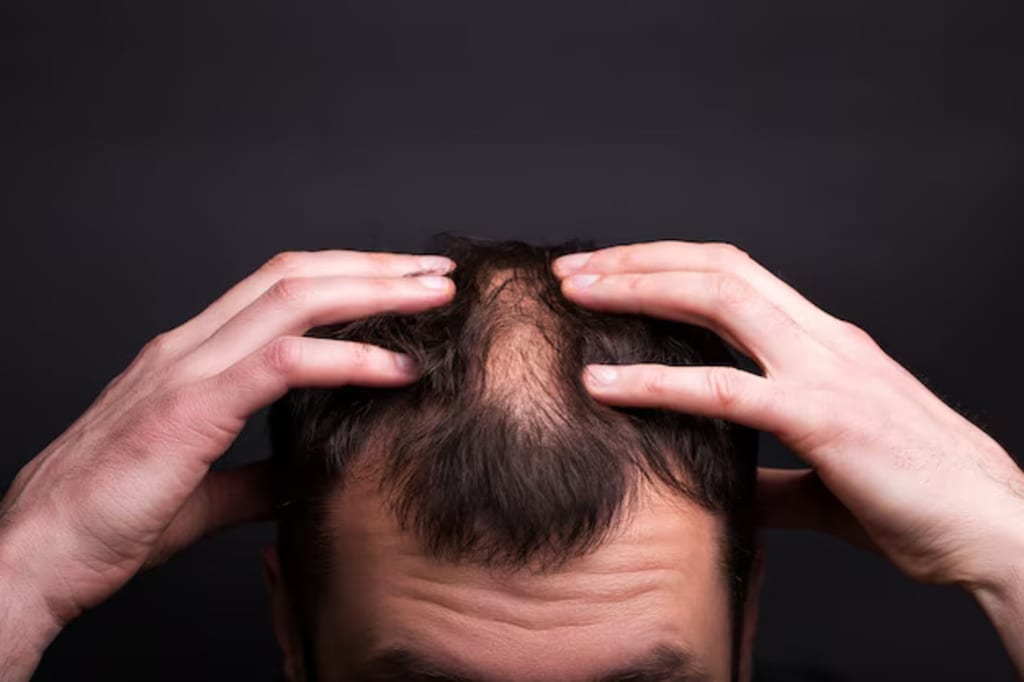
Hair loss, also known medically as alopecia or commonly as baldness, refers to the shedding of hair from the head or body. While it can affect any part of the body, hair loss from the scalp is often the most concerning for men. The severity of hair loss can range from a small, barely noticeable patch to the complete absence of hair. Understanding the causes, available treatments, and management options is crucial for men experiencing this common condition.
Table of Contents
Understanding Hair Loss in Men
Unraveling the Causes of Hair Loss in Men
Proactive Steps: Prevention of Hair Loss
Evidence-Based Medical Treatments
Exploring Technological Avenues
Surgical Restoration Options
Managing the Appearance of Hair Loss
Embracing a Bald Look
The Realm of Alternative Medicine
The Forefront of Research
Understanding Hair Loss in Men
Defining Hair Loss
Hair loss is characterized by a noticeable reduction in hair on the scalp or other parts of the body where hair typically grows. It's important to distinguish normal hair shedding, where individuals typically lose around 100 hairs per day, from significant hair loss where the rate of shedding exceeds the rate of regrowth. The first signs of noticeable hair thinning often include finding more hair than usual in the hairbrush or in the basin after washing.
The Prevalence of Male Hair Loss
Hair loss is a widespread issue among men. Male-pattern hair loss is particularly common, affecting approximately 50% of males by the age of 50. This makes it one of the most prevalent cosmetic concerns for men as they age.
Psychological Impact
The psychological effects of hair thinning can be significant. Hair is often considered an essential part of identity, and men may associate a full head of hair with youth and vigor. Experiencing hair loss can lead to feelings of self-consciousness, a perception of appearing older, and concerns about attractiveness, potentially causing psychological distress. These psychological problems are often most severe at the onset of symptoms.
Unraveling the Causes of Hair Loss in Men
Pattern Hair Loss (Androgenetic Alopecia)
The most common cause of hair loss in men is androgenetic alopecia, also known as male-pattern hair loss.
The Role of Genetics: A strong genetic predisposition plays a significant role in determining whether and when a man will experience pattern hair loss. If there is a family history of baldness, the likelihood of experiencing it increases.
Dihydrotestosterone (DHT): Male-pattern hair loss is also believed to be driven by the male hormone dihydrotestosterone (DHT). DHT is a derivative of testosterone. In genetically susceptible hair follicles, DHT can cause them to shrink (miniaturization), leading to shorter, finer hairs and eventually a cessation of hair growth.
Progression of Pattern Hair Loss: Male-pattern hair loss typically follows a predictable pattern, often beginning with a receding hairline and/or thinning at the crown. The Hamilton–Norwood scale is used to track the progression of this type of hair loss, which can eventually lead to a horseshoe-shaped ring of hair around the head or even total baldness.
Other Contributing Factors
While pattern hair loss is the most common, other factors can also contribute to hair loss in men.
Medications: Certain medications, including chemotherapy, can cause hair loss. This type of hair loss, known as anagen effluvium, occurs when rapidly dividing hair follicle cells are damaged by the medication.
Stress (Telogen Effluvium): Physically or psychologically stressful events can trigger a type of temporary hair loss called telogen effluvium. In this condition, a larger than normal number of hair follicles enter the resting (telogen) phase, leading to increased shedding a few months later.
Nutritional Deficiencies: Malnutrition, including iron deficiency, has been linked to hair loss. Ensuring a balanced diet with sufficient vitamins and minerals is important for overall hair health.
Scalp Infections: Fungal infections of the scalp, such as tinea capitis, can cause hair loss, often accompanied by inflammation and scarring. Other infections like secondary syphilis can also lead to hair loss.
Hair Care Practices: While less common, certain hair care practices that involve excessive pulling or tension on the hair, known as traction alopecia, can lead to hair loss over time.
It is important to consult a doctor or dermatologist to determine the specific cause of hair loss, as many underlying health conditions can manifest as hair thinning.
Proactive Steps: Prevention of Hair Loss
While not all forms of hair loss are preventable, certain lifestyle choices can contribute to overall hair health and potentially slow down some types of hair thinning.
Maintaining a Healthy Lifestyle
Weight Management: Obesity has been linked to accelerated hair thinning in studies. Maintaining a healthy body weight through diet and exercise may be beneficial for hair health.
Balanced Diet: A healthy diet that includes essential fatty acids may help prevent dermatitis, which can contribute to hair issues. Oils like corn oil (linoleic acid), fish oil (EPA and DHA), and hemp seed oil (linoleic acid and alpha-linolenic acid) have been studied in this regard. Ensuring sufficient intake of vitamins and trace elements like **vitamin A, B, C, D, E, iron, selenium, and zinc can prevent hair loss caused by malnutrition.
Scalp Health
Keeping the scalp clean from sebum, sweat, and dirt is important for topical treatments to penetrate effectively. Gentle hair care practices and avoiding excessive scratching of an itchy scalp may also help. Using a humidifier to prevent low indoor humidity, especially during winter, can also be beneficial as dry air can affect the scalp.
Evidence-Based Medical Treatments
Several medical treatments have shown efficacy in managing hair loss in men, particularly male-pattern hair loss.
Topical Medications
Minoxidil (Rogaine): This nonprescription medication is approved for treating male pattern baldness. It is applied topically as a liquid or foam to the scalp, typically twice a day. Minoxidil can help promote hair growth in some men and is more effective at preventing further hair loss. About 40% of men experience hair regrowth after 3-6 months of use. However, treatment must be continued indefinitely to maintain results, as hair loss will resume if stopped. Common side effects are usually mild and can include scalp irritation and unwanted hair growth in other areas.
Ketoconazole: While primarily an antifungal medication, ketoconazole shampoo may also help in the management of hair loss in men. It is thought to work by reducing inflammation on the scalp, which can sometimes contribute to hair thinning.
Oral Medications
Finasteride (Propecia): This prescription medication is taken as a daily pill (1 mg) for male-pattern hair loss. Finasteride works by blocking the conversion of testosterone to DHT, the hormone responsible for shrinking hair follicles. It has been shown to increase hair retention, hair weight, and some regrowth. Similar to minoxidil, the benefits of finasteride persist only as long as the medication is taken. Potential side effects, occurring in a small percentage of men (around 2%), can include decreased sex drive, erectile dysfunction, and ejaculatory dysfunction.
Dutasteride: Another oral medication, dutasteride, also inhibits the production of DHT, and may be more effective than finasteride in treating male pattern hair loss. It inhibits both type 1 and type 2 isoforms of the 5-alpha reductase enzyme, while finasteride primarily inhibits type 2. Dutasteride is approved for this indication in some regions, such as South Korea and Japan.
Combination Therapies
In cases of progressive hair loss or when further regrowth is desired after a year of single-agent therapy, minoxidil and finasteride may be used together.
Exploring Technological Avenues
Advancements in technology have introduced non-surgical options for hair loss management.
Low-Level Laser Therapy (LLLT)
Also known as red light therapy or photo bio modulation, LLLT is a non-invasive treatment option for hair loss. Devices like laser combs and caps emit low-level laser light to the scalp. Studies suggest that LLLT can increase hair density and growth in both men and women with androgenetic alopecia. Some medical reviews indicate that LLLT may be as effective as or potentially more effective than topical minoxidil and oral finasteride, although further research with long-term follow-up is recommended.
Platelet-Rich Plasma (PRP)
PRP therapy involves using the individual's own blood platelets to stimulate hair growth. A small blood sample is drawn, processed to concentrate the platelets, and then injected into the scalp in areas of hair loss. PRP is considered beneficial for androgenetic alopecia and can be used as an alternative or adjunctive therapy to minoxidil or finasteride. It has been shown to improve hair density and thickness. A typical treatment protocol involves a series of monthly sessions followed by maintenance treatments.
Surgical Restoration Options
For men seeking a more permanent solution to hair loss, surgical options are available.
Hair Transplantation
Hair transplantation is a surgical technique that involves moving hair follicles from a donor site (typically the back and sides of the head where hair is genetically resistant to balding) to the bald or balding areas of the scalp (recipient site).
Follicular Unit Transplantation (FUT): In FUT, a strip of skin containing hair follicles is surgically removed from the donor area and then dissected into individual follicular units (naturally occurring groupings of one to four hairs). These grafts are then implanted into small incisions made in the recipient area. FUT can cover larger areas of baldness in a single session but leaves a linear scar in the donor area.
Follicular Unit Extraction (FUE): FUE is a less invasive technique where individual hair follicles are extracted directly from the donor area using a small punch tool. This method leaves multiple tiny, less noticeable scars in the donor area. The extracted follicles are then implanted into the recipient area, similar to FUT.
Transplanted hair typically falls out within a few weeks but regrows permanently within months. Multiple sessions may be required to achieve the desired density.
Scalp Reduction
Scalp reduction is a surgical procedure where the hairless areas of the scalp are surgically removed, and the hair-bearing scalp is stretched to cover the bald regions . This procedure is less commonly performed now due to the effectiveness of hair transplantation but can be used in conjunction with transplantation to cover large areas of baldness .
Managing the Appearance of Hair Loss
For men who are not ready for or do not want medical or surgical treatments, several methods can help manage the appearance of hair loss.
Styling Techniques (Comb Over)
The comb over involves restyling the remaining hair to cover the balding area. This is typically a temporary solution and becomes less effective as the area of hair loss increases.
Hairpieces and Wigs
Wearing a hat, wig, or toupee is another way to conceal hair loss. Wigs are made of artificial or natural hair and can vary widely in quality and cost.
Embracing a Bald Look
For some men, the best approach is to accept their hair loss and choose to do nothing or even sport a shaved head. There is an increasing public acceptance of baldness in men, with many finding it to be a confident and even stylish look.
The Realm of Alternative Medicine
Many alternative remedies are marketed for hair loss, but scientific evidence supporting their effectiveness is generally limited. Dietary supplements are often used, but there is little evidence that vitamins, minerals, or other supplements can regrow or retain hair. Specifically, there is no evidence for biotin (vitamin B7) despite its popularity. Some topical agents like onion juice showed promising results in a small study for alopecia area, but more research is needed for male-pattern hair loss. Other substances like rosemary oil, saw palmetto, pumpkin seed oil, and caffeine are being explored, but their efficacy remains largely unproven.
The Forefront of Research
Research continues to explore the underlying mechanisms of hair loss and potential new treatments. Areas of investigation include hair follicle aging and stem cells, the role of hedgehog signaling in hair growth, and the genetic factors involved in inherited hair disorders. Researchers are also investigating connections between hair loss and other health conditions, such as heart disease and the impact of environmental factors like smoking.
Key Takeaways
Male-pattern hair loss (androgenetic alopecia) is the most common cause of hair loss in men, driven by genetics and the hormone DHT.
Treatment options range from topical and oral medications like minoxidil and finasteride, which can help slow or stop hair loss and, in some cases, promote regrowth.
Technological treatments such as low-level laser therapy (LLLT) and platelet-rich plasma (PRP) offer non-surgical alternatives with evidence of effectiveness.
Hair transplantation is a surgical option that provides a more permanent solution by moving hair follicles to balding areas.
Managing the appearance of hair loss can involve styling techniques or the use of hairpieces.
Embracing baldness is a valid and increasingly accepted choice for men experiencing hair loss.
The evidence for the effectiveness of most alternative medicine approaches for hair loss is currently limited.
Ongoing research continues to deepen our understanding of hair loss and explore novel therapeutic strategies.
About the Creator
Keep reading
More stories from ElevateDigital and writers in Men and other communities.
Beyond the Scalpel: Non-Surgical Solutions for Hair Loss
Hair loss isn’t just a cosmetic concern—it can affect your confidence, your mood, and even your overall quality of life. For many, the idea of undergoing surgery can be intimidating, leading them to search for alternative methods that offer effective results with minimal downtime. Fortunately, in recent years, non-surgical solutions such as PRP (Platelet-Rich Plasma) therapy and mesotherapy have emerged as promising alternatives, providing natural-looking outcomes without the need for invasive procedures.
By ElevateDigital11 months ago in Lifehack
Prostate Paradox: Why Your Bedroom Rhythm Matters More Than You Think
It used to be a whisper in the locker room—the "unspeakable" trouble. But today, prostate issues have become as common among men as the seasonal flu. Whether it’s that nagging urge to visit the bathroom frequently, a sudden urgency, or a dull ache in the lower abdomen, these symptoms are no longer just an "old man's problem."
By Amanda Chou5 days ago in Men
Constant Urgency and Pelvic Aches? A Gentleman’s Guide to Calming the Prostate
If you are reading this, you probably know the feeling all too well. It’s that nagging sense of urgency that hits you right when you’re trying to focus in a meeting. It’s the disruption of waking up three times a night, shattering your sleep quality. Or perhaps it’s that dull, vague ache in the pelvic region that just won’t seem to go away.
By Men's Health4 days ago in Men


Comments
There are no comments for this story
Be the first to respond and start the conversation.