
Fishing Game
15 Fresh Ideas to Elevate Your Fishing Game


Fishing is not just about a cast; it's an art that combines skill, patience, and knowledge of water. Whether you're just getting started or have spent years perfecting your craft, there's always something new to learn. Let's dive into fresh ideas, innovative tackle techniques, and seasonal strategies to elevate your fishing game and make every trip unforgettable!
1. Perfecting Your Casting Techniques
You can target fish in different environments by mastering various casting techniques. Here are some methods to improve accuracy and control:
- Overhead Cast: Classic overhead casting is the ultimate all-rounder-casting technique for distance and control.
- Sidearm Cast: When casting under low-hanging branches or in windy conditions, this is quite useful.
- Roll Cast: Essential for short-distance casts, where space is limited.
Practising each style will prepare you for different scenarios on the water.
2. Trying New Tackle
Fishing technology and tackle are in a state of perpetual evolution. Innovations have been made to make your angling experience even better. It would be great if you included these items in your tackle box:
- Multi-Function Lures: Select lures that have adjustable parts so they can imitate various species of baitfish.
- Vibration Jigs: This gives a little vibration which would more likely attract more fish in murky water.
- Micro Jigs: These are small jigs and therefore best for panfish. This could increase catch rates.
Mixing it up with the tackle options keeps the fishing experience exciting and effective.

3. Selecting the Right Fishing Line
Not all lines are created equal, and choosing the right one can make all the difference:
- Monofilament: Cheap, all-around line and great for beginners; in clear water, it is suitable.
- Fluorocarbon: Practically invisible underwater. Better suited for fishing in the clear lakes or rivers.
- Braided Line: Not easily broken and very robust; a good line if one is going after big fish or close to heavy plant life.
Give these a shot to get a better line for the species of interest and the environment.
4. Seasonal Fish Behaviour Considerations
Fish work differently at different times of the year, so you need to adapt your tactics accordingly:
- Spring: The fish have become active from the dead winter months and prefer to stay closer to warmer shallow water.
- Summer: When the fish are trying to get into deeper water to avoid the heat; the best fishing times are usually early mornings or evenings.
Fall: Fish feed actively in preparation for winter; hence, you will need to use larger lures to hook them.
- Winter: Fish often move slower and tend to be bottom dwellers. In this case, you could ice fish or opt for smaller moving baits.
This way, you will capture more fish according to the season.
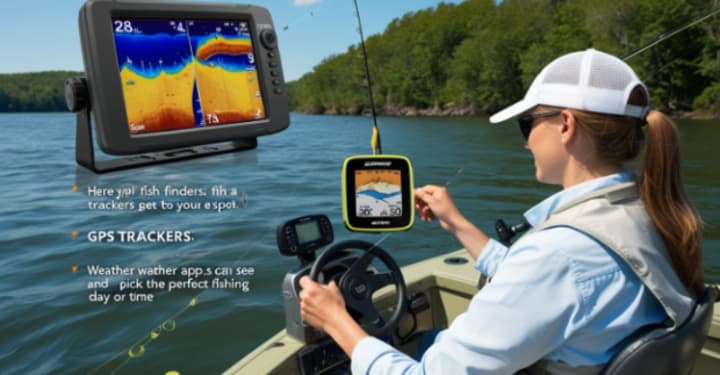
5. Utilization of Technology While on Water
Modern technology can give you an edge. Here are a few gadgets that can enhance your fishing:
- Fish Finders: They detect fish and other structures with sonar, which helps you get to the right spot.
- GPS Trackers: A GPS can help you mark areas where you caught fish the last time so you know exactly where to come back to again.
- Weather Apps: Use them to see what the weather is like and pick the perfect fishing day or time.
Making use of technology in water makes for better and more productive fishing sessions.

6. Expertise in Baits Selection
Baits selection is an art, and there are many famous ones:
- Live Bait: Most fish species are attracted by worms, minnows, and other live bait.
- Lures Artificial: Choose from soft plastics, crankbaits or spinnerbaits based on the species you want
- Fly Fishing Flies: If you're fly fishing, you should always have a set of flies on hand corresponding to the local hatches
you are going to catch more fish and have some variety.
7. Familiarization with Your Waters Local
Local knowledge of water bodies is priceless. Learn the lakes, rivers, and coastlines you fish. Check:
- Fish Species Distribution: You will want to know which fish are common in your local waters.
- Water Depths and Currents: Deeper areas may hold bigger fish, while currents influence where fish move.
- Regulations on the Local Level: Sometimes the local areas may restrict catching some species of fish, or demand extra conditions for catch and release.
You will be even more prepared and can do less harm to your society by knowing your surroundings.
8. Patience in Timing
The best anglers are those who understand that patience is one virtue in fishing. Remember these tips:
- Wait for the Bite: Sometimes, it takes some time before fish bite so try to avoid continually reeling.
The best times are usually in the early mornings and late evenings.
Ripples, birds, or insects usually indicate that fish are actively playing around.
9. Sustain Responsible Fishing
Responsible fishing methods help keep our waterways healthy for generations:
Catch and Release Non-targeted or undersized fish are released to keep populations healthy.
• Avoid Overfishing: Remember the catch limits and do not exceed what is necessary.
Utilize Barbless Snares Barbless snares to make it simpler to deliver fish and diminish the aggravation.
Sustainable fishing methods preserve our resources and contribute to making a positive difference.
11. Preparing for Different Fishing Conditions
Conditions change based on weather, water temperature, and location. Prepare for any scenario with:
- Checking the Forecast: Wind, rain, and temperature influence fish activity.
- Taking All Types of Gear: Have options ready to change gears when needed due to changing conditions.
- Application of Techniques: Techniques such as drift fishing may be suitable for some conditions, while still fishing may be required in others.
You never know what is going to bite unless you're prepared to deal with whatever condition may arise.

12. Jotting Down Your Experiences in Fishing
A fishing log helps you track the patterns, and with time, your strategies keep getting better. Track details like:
- Date and Time: Mark down the time you catch a particular species.
- Weather Conditions: The weather affects fish behaviour, and recording it will help work out the patterns.
- Tackle and Technique Used: This may mean which ones work well under those conditions.
This fishing log allows you to follow and comprehend your trips and make better-informed decisions on future experiences.
13. Time of Seasonal Equipment
Seasonal change may affect the type of equipment you will be needing:
- Summer Gear: Lighter rods and reels are required for warm-weather fishing
- Winter Gear: If you ice fish, you should have an augur, ice rod, and warm clothes on hand.
- Rain Gear: Bring waterproof outerwear and non-slip footwear with you for any occasion involving rain.
Seasonal gear will keep you comfortable and ready for anything.
14. Wildlife and Nature Awareness
Anglers share the environment with other wildlife. Responsible practices include:
- Leaving No Trace: Bring all trash and gear with you.
- Avoiding Disturbing Habitats: Be aware of fish spawning areas and other sensitive habitats.
- Be Aware of Other Fauna: Do not inadvertently catch birds or other aquatic animals.
Love for nature keeps it fun for everyone.

15. Willingness to Learn and Experiment
Everyone picks up new ways of fishing, even experienced anglers. It is by opening up one's mind and experimenting that everyone gets to know new ways of doing things that increase productivity.
- Join Workshops: There is a lot to learn from professionals.
- Try Something New: Go deep-sea fishing or try fly fishing. You can even experience ice-fishing.
- Online Video Guides: From learning the knot to mastering the most complex sophisticated casting style, online sources can teach you everything.
Fishing is a journey, and the best anglers are constant learners.
Conclusion
The art of fishing is composed of many things: skill, patience, and adaptability. With these new ideas and tips, anglers of all levels can raise their fishing game. Be it perfecting some techniques or adopting the most sustainable fishing methods, each part of fishing can be fine-tuned with a proper approach. So the next time you go out to the water, take these strategies along and make your fishing adventure memorable.
FAQs
Q1: When is the best time to fish?
Probably early in the morning, late in the evening, when fish are most active.
Q2: Where could I find a good spot to catch some fish?
Research on local maps and fish finders; do research with other fishing communities.
Q3: What are some simple techniques for beginners who want to start fishing?
Easy techniques such as casting and still fishing are good starting points and provide time to understand the behaviour of the fish.
Q4: When do I change my line?
Change your line every season or when signs of wear can be identified. This should especially be considered if you are a frequent angler.
Q5: Can I fish in any weather?
Yes, but be ready with the right gear. On windy, rainy, or extremely hot days, some of those adjustments will prove to be particularly helpful in improving your chances.
About the Creator
Usman Zafar
I am Blogger and Writer.
Keep reading
More stories from Usman Zafar and writers in Men and other communities.
What I Am
The question of "What am I?" stared at him for as long as he could remember. Amir stood before the mirror, his face half-covered by dimly lit shadows, filtering through his apartment which was cramped and cluttered. It was there that he stared into his face, worrying a furrow in his forehead in frustration to dig answers that seemed to slip between his fingers, once again.
By Usman Zafarabout a year ago in Men
The Weight of Expectations:
There is a silent pressure that follows many Black men throughout their lives. It is not always spoken about openly, yet it shapes decisions, identity, and self-worth. Society places expectations on Black men that are often contradictory, unrealistic, and deeply rooted in history.
By Nkwenkwezi Mgebisa4 days ago in Men
Top tipple tricks
Been thinking a lot about drinking, lately. Not least because of a recent episode of over-indulgence and the inevitable after effects. Some readers may recall the earlier articles I wrote about beating the booze. Here I set out an experiment in techniques for cutting down on my alcohol intake. The experiment was successful, the techniques worked, and I have armed myself with an arsenal of weapons in the war against the demon drink. I have yet to fire the first round however. It's all a question of timing (perhaps procrastination).
By Raymond G. Taylorabout 21 hours ago in Psyche




Comments
There are no comments for this story
Be the first to respond and start the conversation.