
Comprehensive Approaches to Managing Epididymitis Combined with Prostatitis
From symptoms to solutions, discover practical ways to manage epididymitis when it overlaps with prostatitis

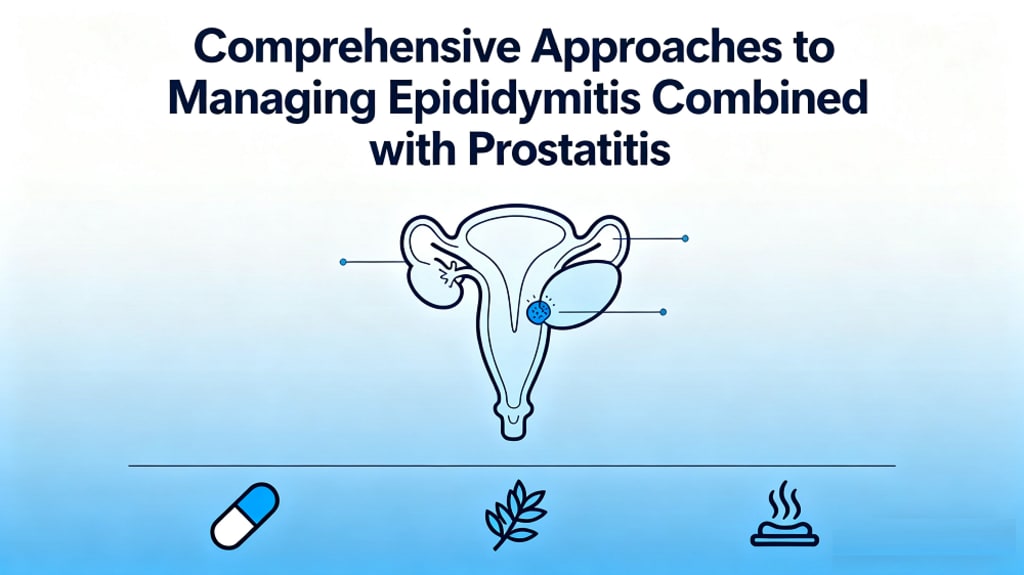
Epididymitis and prostatitis—this troublesome “pair” has caused headaches for many men. Closely related and often dragging each other down, when they occur together, symptoms become more complex, and the impact on fertility and quality of life is doubled. Just thinking about it can be stressful.
The Relationship Between Epididymitis and Prostatitis
Both the prostate and the epididymis are core components of the male reproductive system. They are located adjacent to each other and connected by ducts, which lays the groundwork for inflammation to spread. When prostatitis occurs, pathogens such as bacteria and mycoplasma can travel upward along the vas deferens or spread through lymphatic circulation to the epididymis, causing congestion and swelling. At the same time, immune dysregulation and urinary reflux associated with prostatitis weaken the natural “barrier” of the reproductive tract, increasing the risk of epididymitis.
In other words, these two organs are like next-door neighbors—when one has a problem, it often implicates the other.
Conversely, if epididymitis is not controlled, inflammatory byproducts can negatively affect the prostate, making treatment more difficult and prolonging the course of illness. This vicious cycle leads to compounded symptoms: urinary frequency and lower abdominal heaviness from prostatitis may persist while testicular pain, fever, and swelling from epididymitis appear at the same time.
Of particular concern is that poorly managed epididymitis can block the epididymal ducts, interfering with sperm maturation and storage. Once this fertility damage occurs, it is irreversible. This is why doctors often evaluate both organs together when treating either condition.
Dual Infections: Typical Symptoms as the Body’s “Warning Signals”
When both inflammations occur together, the body sends out multiple warning signs:
Urination difficulties: Frequent urges, especially at night, burning pain during urination, cloudy or bloody urine, and increased urethral discharge—all of which signal infection spread.
Noticeable local pain and swelling: Epididymal congestion and swelling may cause palpable lumps in the scrotum, painful to the touch. Prostatitis-induced pelvic congestion worsens the feeling of heaviness, with persistent perineal pain radiating to the penis or groin, affecting movement and sitting comfort.
Systemic reactions: In acute cases, fever, fatigue, and loss of appetite can appear. At this stage, medical attention must not be delayed.
Comprehensive Regulation Strategies: From Treatment to Maintenance
1. Targeted Medication: Antibiotics Combined with Herbal Therapy
The cornerstone of treatment is selecting the right antibiotics for bacterial infection:
Fluoroquinolones (e.g., levofloxacin) have broad-spectrum effects but must be used cautiously in patients with poor kidney function.
Macrolides (e.g., azithromycin) are effective against mycoplasma but require monitoring for drug resistance.
Cephalosporins have strong antibacterial effects but are not suitable for those with liver issues.
From a TCM perspective, this condition is often categorized as “damp-heat descending with qi stagnation and blood stasis.” Common options include:
Re Lin Qing Granules to clear heat and toxins for prostatitis.
Xi Huang Capsules to activate blood circulation and resolve stasis for epididymitis.
Diuretic and Anti-inflammatory Pill, composed of over 50 herbs, combines antibacterial, blood-activating, diuretic, and anti-fibrotic properties—particularly suitable for chronic cases.
Patience is essential with herbal therapy; continuous treatment over 1–3 months is typical, with adjustments tailored to individual progress.
2. Physical Therapy: Enhancing Local Circulation and Relieving Discomfort
Warm sitz baths (15–20 minutes, 1–2 times daily) improve pelvic blood flow and reduce chronic pain—simple and practical.
Ultrashort wave and microwave therapy use thermal effects to accelerate inflammation absorption and reduce adhesions.
Lifestyle habits: Avoid prolonged sitting and cycling; stand up and move around every hour to relieve pelvic congestion.
3. Lifestyle Adjustments: Strengthening the Body’s Foundation
Diet: Light, easily digestible foods; more vegetables, fruits, and fiber. Avoid alcohol, chili, coffee, and other irritants that worsen pelvic congestion.
Rest and exercise: Maintain 7–8 hours of sleep; opt for gentle activities such as walking or swimming. Avoid intense exercise that increases friction and irritation.
Hygiene and sexual activity: Suspend sexual activity during acute episodes; during chronic phases, 1–2 times per week is reasonable. Clean the genital area daily with warm water.
Emotional well-being: Chronic inflammation often causes anxiety. Practices such as meditation and reading can reduce stress, which in turn supports immunity.
4. Surgical Intervention: The Last Resort
Surgery is only considered in extreme cases—when recurrent infections are accompanied by abscesses, obstruction, or prostate enlargement. Options may include epididymectomy or transurethral resection of the prostate (TURP). Postoperative care still requires antibiotics and regular follow-up to ensure recovery.
Final Thoughts
The link between epididymitis and prostatitis highlights how interconnected the male reproductive system is—“a single thread pulls the whole web.” Effective management requires a holistic perspective: medications and physical therapy to control local inflammation, combined with lifestyle adjustments to strengthen systemic health.
Protecting reproductive health is a comprehensive process. From understanding the relationship between these conditions and recognizing the body’s signals, to implementing scientific management strategies—every step matters. With consistent care, this “troublesome duo” can be effectively managed, reducing recurrence and safeguarding long-term health.
About the Creator
Men's Health
Sharing valuable insights on men's health—covering everything from wellness tips to common health concerns. Stay informed and take control of your well-being!
Keep reading
More stories from Men's Health and writers in Men and other communities.
No More Worries About Difficult Urination! 4 Therapeutic Diet Recipes to Support Prostate Health
There’s a quiet kind of frustration that comes with urinary trouble: the walk of shame to the bathroom at night, the awkward pauses while looking for a restroom, or the nagging worry that a sudden urge will ruin an important meeting. For many men, these small daily disruptions trace back to prostate issues—chronic prostatitis, inflammation, or calcification. While medicine has its place, food can be quietly powerful. A warm bowl of congee or a simple soup isn’t a cure-all, but used consistently, dietary therapy can ease symptoms and support recovery.
By Men's Health4 months ago in Men
The Fortune in the Mop Bucket: The Janitor Who Secretly Funded a Stranger's Future
The halls of a high school after dark are a strange, liminal space. During the day, they are a cacophony of slamming lockers, shouting teenagers, and the squeak of sneakers. But after 4:00 PM, when the last bus pulls away and the teachers pack up their grading, the building exhales. It becomes a cavern of silence, smelling of floor wax, stale chalk dust, and industrial cleaner.
By Frank Massey 5 days ago in Men



Comments
There are no comments for this story
Be the first to respond and start the conversation.