
Comparing Diuretic and Anti-Inflammatory Pill with Pelvic Therapy for Chronic Prostatitis
Diuretic and Anti-Inflammatory Pill vs. Pelvic Therapy for Chronic Prostatitis
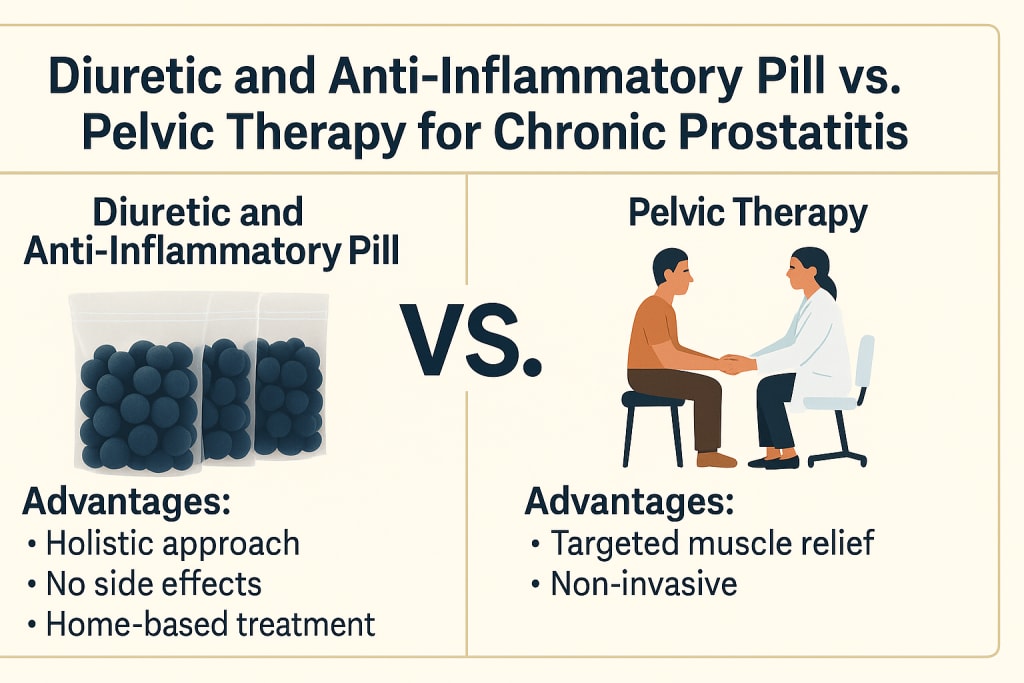
Chronic prostatitis is a persistent and often debilitating condition affecting a significant number of men worldwide. Characterized by prolonged pelvic discomfort, urinary dysfunction, and emotional strain, this condition demands effective long-term management strategies. Among the various treatment options available, two stand out for their distinct yet promising approaches: the Diuretic and Anti-Inflammatory Pill (a traditional Chinese herbal remedy) and Pelvic Floor Physical Therapy (a musculoskeletal intervention). This article explores their mechanisms, benefits, and limitations to help patients make informed decisions about their treatment.
Understanding Chronic Prostatitis (CP)
Chronic prostatitis is diagnosed when pelvic pain persists for at least three months, often accompanied by urinary symptoms such as frequent urination, urgency, or discomfort during voiding. In some cases, sexual dysfunction may also occur. Research indicates that 10-15% of men experience this condition at some point, significantly impairing their quality of life.
The underlying causes of CP are multifaceted, involving inflammation, pelvic muscle dysfunction, nerve irritation, and psychological stress. Notably, 90-95% of cases are non-bacterial, rendering antibiotics ineffective. Conventional treatments like alpha-blockers may offer temporary relief but often fail to address the root cause. This gap in effective medical solutions has led many patients to explore alternative therapies, such as herbal medicine and physical therapy.
Overview of Treatment Approaches
1. Diuretic and Anti-Inflammatory Pill (Traditional Chinese Medicine)
The Diuretic and Anti-Inflammatory Pill is a herbal formulation comprising over 50 natural ingredients, designed to target multiple aspects of chronic prostatitis. Unlike conventional medications, which often focus on symptom suppression, this TCM remedy adopts a holistic approach, addressing inflammation, blood circulation, pain, and urinary dysfunction simultaneously.
Mechanisms of Action
Anti-inflammatory Effects: Herbs like Safflower (Hong Hua) and Angelica Sinensis (Dang Gui) help reduce prostate and pelvic inflammation, a primary contributor to CP/CPPS symptoms.
Improved Blood Circulation: Ingredients such as Peach Kernel (Tao Ren) and Radix Paeoniae Rubra (Chi Shao) enhance microcirculation, preventing blood stasis and promoting tissue repair.
Pain Relief: Houttuynia Cordata (Yu Xing Cao) and Corydalis Yanhusuo (Yan Hu Suo) possess analgesic properties, alleviating neuropathic and muscular pain in the pelvic region.
Urinary Symptom Management: Plantain Seed (Che Qian Zi) and Talcum (Hua Shi) act as natural diuretics, reducing urinary irritation and improving flow.
Advantages
✔ Comprehensive Treatment: Addresses inflammation, pain, and urinary dysfunction—key factors in CP/CPPS.
✔ Minimal Side Effects: Unlike antibiotics or painkillers, this herbal remedy is gentle and suitable for long-term use.
✔ Convenience: Can be taken at home without frequent clinical visits.
✔ Broad Applicability: May also benefit related conditions like epididymitis and urinary tract infections.
Limitations
✖ Gradual Results: Unlike fast-acting medications, the effects build over 1-3 months, requiring patience for full relief.
2. Pelvic Floor Physical Therapy
Pelvic Floor Physical Therapy is a non-pharmacological approach focusing on muscle dysfunction, a common issue in CP. It involves manual therapy, biofeedback, and targeted exercises to relax hypertonic pelvic muscles.
Mechanisms of Action
Muscle Relaxation: Techniques like Kegel exercises and stretching help release tension in the pelvic floor, reducing pain.
Biofeedback Training: Sensors provide real-time data, helping patients gain better control over muscle contractions.
Improved Circulation: Enhanced blood flow indirectly supports symptom relief.
Advantages
✔ Effective for Muscle-Related Pain: Particularly beneficial for patients with pelvic floor spasms or tension.
✔ Non-Invasive: No medications involved, reducing the risk of side effects.
✔ Evidence-Based: Studies confirm its efficacy for pelvic muscle dysfunction.
Limitations
✖ Limited Scope: Primarily targets muscle tension, not inflammation or urinary symptoms.
✖ Time and Cost-Intensive: Requires regular therapist visits, which may be inconvenient.
✖ Variable Success Rates: Outcomes depend on therapist expertise and patient compliance.
Which Treatment is More Suitable for Chronic Prostatitis?
For patients with long-standing CP, the Diuretic and Anti-Inflammatory Pill offers several advantages:
Holistic Approach: Unlike pelvic therapy, which focuses mainly on muscles, the herbal formula targets inflammation, pain, and urinary issues simultaneously.
Convenience: Home-based administration eliminates the need for frequent clinic visits.
Sustainability: Safe for extended use without the risk of antibiotic resistance or side effects.
However, pelvic floor therapy remains a strong option for those with predominant muscle-related pain. Some patients may benefit from combining both therapies for a more comprehensive approach.
Practical Considerations for Patients
When deciding between these treatments, consider:
Symptom Profile:
If inflammation and urinary symptoms dominate, the herbal pill may be more effective.
If pelvic muscle tension is the primary issue, physical therapy could be preferable.
Lifestyle Factors:
The Diuretic and Anti-Inflammatory Pill is ideal for those with limited time for appointments.
Pelvic therapy requires commitment to regular sessions.
Professional Guidance:
Consult a TCM practitioner for herbal treatment.
Seek a specialized pelvic floor therapist for muscle-focused therapy.
Supportive Lifestyle Adjustments
Diet: Avoid caffeine, alcohol, and spicy foods; incorporate anti-inflammatory foods like berries and omega-3s.
Exercise: Gentle yoga or stretching can complement treatment.
Stress Management: Mindfulness and relaxation techniques may reduce symptom flare-ups.
Conclusion
Both the Diuretic and Anti-Inflammatory Pill and Pelvic Floor Physical Therapy offer valuable solutions for chronic prostatitis, but their strengths differ. The herbal remedy provides a holistic, convenient, and side-effect-free option for long-term management, particularly for patients with inflammatory and urinary symptoms. Meanwhile, pelvic therapy excels in addressing muscle-related pain but may require more time and professional involvement.
For chronic sufferers, the Diuretic and Anti-Inflammatory Pill presents a comprehensive and sustainable treatment path. Consulting a qualified TCM practitioner can help determine if this approach is suitable for individual needs. By integrating herbal medicine, lifestyle adjustments, and possibly physical therapy, patients can achieve long-lasting relief and regain control over their health.
About the Creator
Healthylifestyle
I offer actionable guidance on reproductive wellness, holistic remedies, and healthy lifestyle choices. Come along as we embark on a journey to improve your health and empower your well-being!
Keep reading
More stories from Healthylifestyle and writers in Men and other communities.
What Are the Underlying Factors Leading to Left-Sided Epididymitis?
Epididymitis is an inflammatory condition affecting the epididymis—a tightly coiled tube situated behind each testicle that plays a crucial role in sperm maturation and transport. While it can occur in men of any age, left-sided epididymitis is particularly concerning due to its potential impact on reproductive health. This article explores the primary causes of left-sided epididymitis, its clinical manifestations, and whether fertility is compromised in affected individuals.
By Healthylifestyle9 months ago in Men
How to Handle a Midlife Crisis Like a Champion
Feeling stuck, restless, or questioning everything about your life? You're not alone. Millions of people experience a midlife crisis between their 40s and 60s, and while it feels overwhelming, you can absolutely navigate this challenging time with confidence and purpose.
By LaMarion Ziegler6 days ago in Men
Why Men Struggle to Ask for Help (And How to Change)
We've all seen it—the friend who's clearly struggling but insists he's "fine," the colleague pulling all-nighters instead of asking for support, or maybe we've been that guy ourselves. Men asking for help remains one of the most challenging conversations we need to have, yet it's happening less than it should.
By LaMarion Ziegler6 days ago in Men


Comments
There are no comments for this story
Be the first to respond and start the conversation.