
Causes of Male Infertility and Treatments: Finding the Facts
Male Infertility

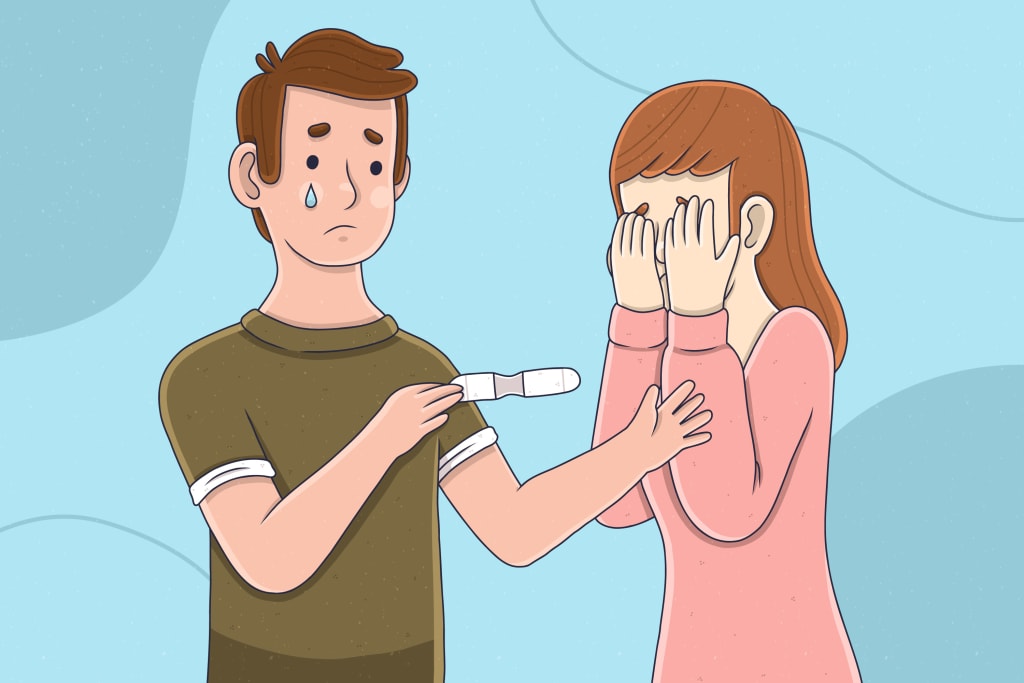
Male infertility is a growing concern worldwide, impacting approximately 2-12% of men. It can be an emotionally and psychologically challenging experience for couples who are trying to conceive.
It is important to understand the causes and explore the available treatments to address this issue effectively.
In this blog, we will talk about various causes of male infertility, treatment options, and recent breakthroughs in the field.
Understanding Male Infertility
Infertility in men is typically defined as the inability to conceive a child after almost one year of regular, unprotected intercourse.
This condition can be caused by various factors that affect sperm production, function, or movement. Male infertility is often due to semen issues, such as low sperm count, poor sperm motility, or abnormal sperm shape.
These issues can result from various genetic, environmental, and lifestyle factors.
Common Causes of Male Infertility
Let's find out various causes for male infertility -
Sperm Production Disorders
Azoospermia: This condition is when there is no production of sperm cells. It can be caused by genetic disorders like Klinefelter syndrome or damage to the testicles due to trauma or surgery.
Oligospermia: This is characterized by a low sperm count. Factors such as hormonal imbalances, infections, or ejaculatory disorders, can lead to reduced sperm production.
Hormonal Imbalances
Hormones such as testosterone, luteinizing hormone (LH), and follicle-stimulating hormone (FSH) play an important role in sperm production.
An imbalance in these hormones that may happen due to pituitary or hypothalamic disorders, can also lead to infertility.
Genetic Factors
Genetic disorders can also play a major role in male infertility. Various conditions like Klinefelter syndrome, Y chromosome deletion, and cystic fibrosis can affect sperm production or function.
Varicocele
A varicocele is an enlargement of the veins within the scrotum, just like a varicose vein. This condition can further lead to decreased sperm quality and production due to a rise in the temperature in the testicles.
Infections
Various infections like epididymitis or sexually transmitted infections (STIs) such as gonorrhoea and chlamydia can damage the reproductive organs, and affect sperm production or cause blockages.
Lifestyle Factors
Smoking, excessive alcohol consumption, drug abuse, and exposure to environmental toxins can negatively affect sperm quality and count. High-stress levels, obesity, and a sedentary lifestyle also contribute to male infertility.
Medical Conditions
Certain medical conditions, such as diabetes, thyroid disorders, and autoimmune diseases, can impact sperm production and function. Chemotherapy and radiation treatments for cancer can also impair fertility.
Obstruction
Blockages in the reproductive system can prevent sperm from being released out of the body. These blockages can result from infections, surgery, or congenital conditions and may cause infertility.
Sexual Dysfunction
Conditions such as erectile dysfunction, premature ejaculation, or retrograde ejaculation can also impact the delivery of sperm.
Age
Although males remain fertile for longer as compared to women, post-40 years of age sperm quality and motility may decline and increase the risk of fertility.
Diagnosis of Male Infertility
It is possible to diagnose male infertility with a thorough medical history, physical examination, and diagnostic tests. They may include -
Semen Analysis: The primary test to evaluate male fertility is via sperm analysis which aims at assessing sperm count, motility, and morphology.
Hormonal Testing: It aims at measuring levels of testosterone, LH, FSH, and prolactin that help in identifying hormonal imbalances.
Genetic Testing: If deemed necessary, a healthcare professional can conduct genetic testing to detect genetic abnormalities that could affect sperm production or function.
Testicular Biopsy: A doctor can recommend a biopsy which is a procedure to take specimens from testes to evaluate sperm production when sperm count is extremely low or absent.
Ultrasound: An ultrasound can help identify varicoceles or obstructions, while and helps in the evaluation of the prostate and seminal vesicles.
Treatment Options for Male Infertility
Now, let's find out various options for infertility treatment. They include -
Medications - Hormone therapy can be suggested that can rectify hormonal imbalances that affect sperm production. Various antibiotics can be prescribed to treat infections that may affect sperm production or cause obstructions.
Surgical Interventions - A doctor may suggest surgical repair of varicoceles to improve sperm quality. Another surgical procedure can be recommended to correct obstructions in the reproductive system.
If required, a procedure can be recommended to retrieve sperm directly from the testicles, mostly used in vitro fertilization (IVF) for couples.
Assisted Reproductive Technologies (ART) - In Intrauterine Insemination (IUI), Sperm is collected, processed, and directly inserted into the uterus.
For Intracytoplasmic Sperm Injection (ICSI), a sperm is injected directly into an egg and is commonly used when the sperm count is very low or it is the case of severe male infertility.
Lifestyle Modifications - Making positive lifestyle changes can also improve sperm quality and overall fertility. It includes maintaining a healthy weight, quitting smoking, reducing alcohol consumption, managing stress, and avoiding exposure to environmental toxins.
Counselling and Support - Infertility can be emotionally taxing as well. Counselling and support groups can help couples cope with the stress and emotional strain related to infertility treatments.
Latest Breakthroughs in Male Infertility Treatments
There are recent advancements in medical research that have paved the way for new treatments and technologies to address male infertility. It includes -
Genetic Therapies - Cutting-edge research into gene editing technologies, is now exploring the potential to correct genetic defects responsible for infertility.
The venture is in its early stage but surely is a ray of hope for treating genetic causes of infertility.
Stem Cell Therapy - Stem cell research also offers hope for regenerating damaged testicular tissue and restoring sperm production.
Scientists are actively investigating the use of stem cells to create sperm via stem cells, which could be a game-changer for men with azoospermia.
Artificial Intelligence (AI) in Sperm Analysis - AI technology is everywhere now and is also being used to improve sperm analysis accuracy as well as identify viable sperm for assisted reproduction techniques.
Nanotechnology in Drug Delivery - Nanotechnology is also being explored to enhance drug delivery for treating male infertility.
Targeted drug delivery systems can also improve the efficacy of treatments while decreasing the side effects and would be able to offer a more personalized approach to therapy.
Bottom Line
Male infertility is a complex condition and might have a wide variety of reasons, ranging from genetic factors to lifestyle choices.
However, with advances in medical science and technology, many men have a chance of overcoming infertility.
Early diagnosis and appropriate treatment can make a huge difference and might help couples in successful conception.
If you are struggling with infertility, it might be high time to consult a sexologist or other healthcare personnel. They can help you identify the hidden cause and offer a treatment plan tailored to your needs.
With the latest breakthroughs and advancements, the future of male fertility treatments looks promising and offers hope to many couples trying to conceive.
Help yourself by staying informed about the causes and treatments of male infertility, and make informed decisions about your reproductive health.
About the Creator
Pawan Kumar
Break free from frustration with real solutions.
Pawan Kumar delivers expert-backed insights and permanent solutions for ED and PE, straight from top sexologists.
For More Visit: https://www.draroras.com/sexologist-in-chandigarh
Keep reading
More stories from Pawan Kumar and writers in Men and other communities.
How to Handle a Midlife Crisis Like a Champion
Feeling stuck, restless, or questioning everything about your life? You're not alone. Millions of people experience a midlife crisis between their 40s and 60s, and while it feels overwhelming, you can absolutely navigate this challenging time with confidence and purpose.
By LaMarion Ziegler5 days ago in Men
Why Men Struggle to Ask for Help (And How to Change)
We've all seen it—the friend who's clearly struggling but insists he's "fine," the colleague pulling all-nighters instead of asking for support, or maybe we've been that guy ourselves. Men asking for help remains one of the most challenging conversations we need to have, yet it's happening less than it should.
By LaMarion Ziegler5 days ago in Men




Comments
There are no comments for this story
Be the first to respond and start the conversation.