
Casting Away the Shadows
Exploring the Therapeutic Depths of Fishing for Mental Wellbeing

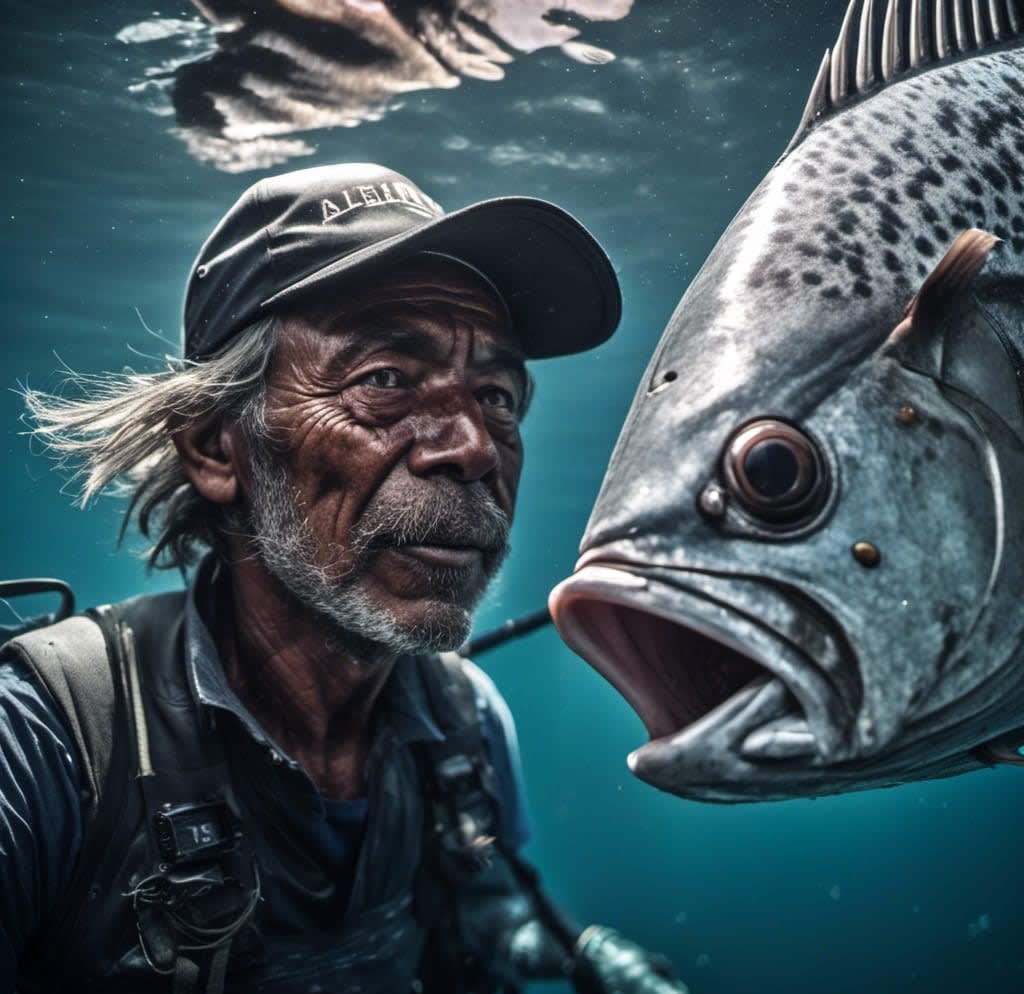
In the frenetic pace of modern life, the quest for mental wellbeing has become paramount. Amid the myriad of therapies and interventions, an unexpected ally emerges the art of fishing. Beyond the shimmering waters and the tranquility of nature lies a profound correlation between mental health and the act of casting a line. This article delves into the therapeutic depths of fishing, exploring how this ageold pastime offers not just a leisurely escape but a tangible lifeline for mental wellbeing.
Part 1: Nature's Sanctuary for the Mind
Picture a serene lakeside scene the gentle lapping of water, the rustle of leaves, and the rhythmic sound of casting a fishing line. Nature has an innate ability to soothe the restless mind, and fishing, as an activity immersed in nature, taps into this healing power.
Psychologists and researchers have long emphasized the benefits of spending time in natural surroundings for mental health. The Japanese practice of "forest bathing" or shinrinyoku, where individuals immerse themselves in nature, has demonstrated positive impacts on reducing stress and promoting overall wellbeing. Fishing, with its blend of solitude and natural beauty, becomes a sanctuary where the mind can find respite from the demands of everyday life.
Part 2: The Meditative Art of Fishing
Beyond the picturesque landscapes, fishing engages individuals in a meditative rhythm that transcends the act of catching fish. The repetitive motion of casting, waiting, and reeling becomes a therapeutic cadence, akin to a moving meditation.
For Jake Anderson, a passionate angler who turned to fishing during a challenging period of his life, the meditative quality was transformative. As he describes it, "When I'm on the water, it's like the world slows down. It's just me, the water, and the rhythmic dance of casting. The worries of the day fade away, and I'm left with a sense of calm."
Researchers have identified the benefits of mindfulness in managing stress and anxiety. Fishing, in its essence, fosters a state of mindfulness, where the mind is anchored in the present moment, away from the tumultuous currents of worrisome thoughts.
Part 3: The Therapeutic Power of Solitude
In a hyperconnected world, the art of being alone is increasingly rare. Fishing, with its moments of solitude, provides a space for introspection and selfdiscovery. The quiet companionship of the water and the solitude of the fishing experience create a mental sanctuary, allowing individuals to confront their thoughts and emotions.
For Emily Turner, who struggled with anxiety, fishing became a personal haven. "It's not just about catching fish; it's about catching a break from the chaos in my mind. The solitude lets me confront my thoughts, process my emotions, and find a sense of peace."
Solitude, when embraced willingly, becomes a powerful tool for self-reflection and personal growth. Fishing offers a unique opportunity for individuals to retreat into their thoughts, free from external distractions, and confront the aspects of their mental wellbeing that may need attention.
Part 4: Connection and Camaraderie in Angling Communities
While fishing offers moments of solitude, it also serves as a bridge to vibrant communities bonded by a shared love for the sport. Angling clubs, fishing tournaments, and online communities create spaces where individuals can share experiences, exchange advice, and foster a sense of belonging.
The human element in these communities becomes a key factor in the mental health benefits of fishing. Shared stories of triumphs and challenges, the camaraderie built around the anticipation of a big catch, and the support network that evolves within these circles contribute to a positive sense of social connection.
David Martinez, a member of a local fishing club, attests to the impact of community on mental wellbeing. "The friendships I've made through fishing are invaluable. We talk about life, share our struggles, and, of course, swap fishing tales. It's a support system that goes beyond the water."
Part 5: Fish Tales and Mental Resilience
The metaphorical narrative of fishing extends beyond the water. The challenges presented by fishing patience, adaptability, and resilience mirrors the qualities needed for navigating the complexities of life. As individuals face the unpredictability of the water, they cultivate mental resilience, learning to weather the storms and savor the victories.
John Carlson, a clinical psychologist, notes, "The act of fishing is a metaphor for life. Sometimes you catch, sometimes you don't. It teaches individuals to cope with setbacks, celebrate successes, and build mental fortitude."
Conclusion: Casting Away the Shadows
In the dance between the fishing line and the water, individuals find more than a leisurely escape; they find a sanctuary for the mind. The direct correlation between mental health and fishing lies in the therapeutic elements embedded in this timeless pursuit. Nature's embrace, the meditative rhythm, the healing power of solitude, the sense of community, and the metaphorical lessons of resilience collectively contribute to the mental wellbeing of those who cast away their worries in the pursuit of something greater.
As individuals rediscover the therapeutic depths of fishing, they cast away the shadows that linger in the recesses of the mind. In the quiet reflection by the water's edge, a profound truth emerges the simple act of casting a line becomes an affirming gesture, not just to catch fish, but to catch moments of mental clarity and wellbeing.
About the Creator
Epic Pen Journeys
Unleashing stories & visuals with passion. Explorer of life's tapestry, weaving tales that resonate. Join the journey! ✨✍️
Keep reading
More stories from Epic Pen Journeys and writers in Men and other communities.
Breaking Free from Toxic Relationships
In the intricate dance of human connections, relationships can be a source of immeasurable joy or profound pain. At times, we find ourselves entangled in toxic relationships, where the air becomes thick with negativity, and the toll on our well-being is palpable. Breaking free from such relationships is an act of courage and self-love, paving the way for a journey toward healthier connections.
By Epic Pen Journeys2 years ago in Men
When Strength Becomes Silence
Subtopics: The Masculinity We Inherited Why Men Struggle to Express Emotions Financial Pressure and Identity Love, Ego, and Vulnerability When Strong Men Break Quietly Redefining Strength in Relationships Building Emotional Safety with Your Partner A New Model of Masculinity
By Benjamin Patrick2 days ago in Men
5 Subtle Signs of Strong Reproductive Vitality in Men
There’s an old saying that the body whispers before it shouts. We’re conditioned to measure health in loud, obvious metrics: the number on a scale, the definition of a bicep, the results of a blood test. But true vitality—the kind that fuels not just daily energy but our very biological potential—often manifests in quieter, more subtle ways.
By namkoong kevin6 days ago in Men




Comments
There are no comments for this story
Be the first to respond and start the conversation.