
Can Green Tea Help Alleviate Prostatitis?
Prostatitis Woes? Green Tea Might Hold the Key

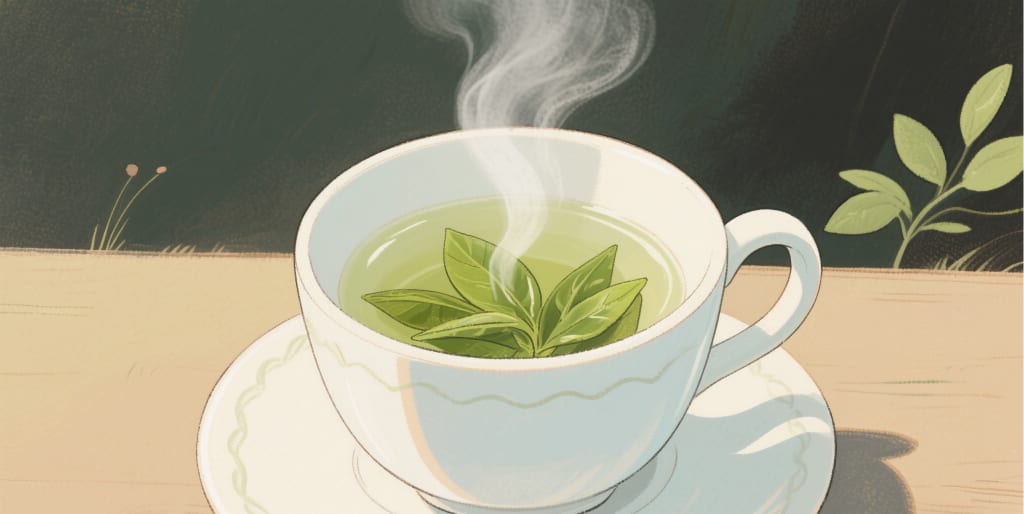
Prostatitis, an inflammatory condition affecting the prostate gland, can cause discomfort and urinary issues in men. While medical treatments are essential, lifestyle and dietary choices—such as consuming green tea—may offer supportive benefits. Research suggests that green tea contains numerous bioactive compounds that could aid in reducing inflammation and promoting prostate health.
The Nutritional Profile of Green Tea
Green tea is rich in over 500 chemical components, including essential minerals like magnesium, potassium, sodium, and copper. It also contains organic compounds such as:
Tea polyphenols (powerful antioxidants with anti-inflammatory properties)
Caffeine (a mild stimulant that supports kidney function)
Lipopolysaccharides (immune-boosting compounds)
Amino acids (including L-theanine, which promotes relaxation)
These components work synergistically to provide benefits such as reducing fatigue, enhancing mental alertness, and supporting hydration. For men with prostatitis, certain compounds in green tea may help alleviate symptoms by targeting inflammation and improving urinary function.
How Green Tea May Benefit Prostatitis
1. Anti-Inflammatory Effects of Tea Polyphenols
Tea polyphenols, particularly epigallocatechin gallate (EGCG), exhibit strong anti-inflammatory and antimicrobial properties. Studies indicate that these compounds can inhibit the growth of harmful bacteria and viruses, potentially reducing prostate inflammation. By suppressing inflammatory pathways, green tea may help ease symptoms like pelvic pain and urinary discomfort.
2. Diuretic Properties for Detoxification
Caffeine in green tea acts as a mild diuretic, stimulating kidney function and increasing urine output. This helps flush out toxins and reduces the retention of harmful substances in the urinary tract. Additionally, caffeine aids in eliminating excess lactic acid, which can contribute to fatigue—a common issue for men with chronic prostatitis.
3. Heat-Clearing and Detoxifying Effects
Traditional medicine often recommends green tea for its heat-clearing and diuretic effects, which may help alleviate prostate inflammation. Other herbal teas, such as chrysanthemum tea, honeysuckle tea, and fat sea tea, also possess similar benefits, supporting urinary health and reducing irritation.
Precautions When Drinking Green Tea for Prostatitis
While green tea can be beneficial, moderation is key. Consider the following precautions:
Avoid Strong Tea: Overly concentrated tea may irritate the bladder and prostate, worsening symptoms.
Limit Consumption Before Bed: Caffeine can cause insomnia or restlessness, disrupting sleep quality—a crucial factor in healing.
Be Cautious with Underlying Conditions: Men with cardiovascular issues or anxiety disorders should consume green tea in moderation due to its stimulant effects.
Complementary Lifestyle Adjustments for Prostatitis
In addition to drinking green tea, men with prostatitis should adopt healthy habits to support recovery:
1. Maintain a Balanced Diet
Reduce spicy, greasy, and heavily seasoned foods (e.g., chili, garlic, onions).
Avoid alcohol and excessive caffeine, which can worsen inflammation.
2. Stay Active and Avoid Prolonged Sitting
Regular exercise improves blood circulation, helping reduce prostate congestion.
Take breaks if working long hours at a desk to prevent pressure on the pelvic area.
3. Practice Healthy Sexual Habits
Avoid excessive masturbation or interrupted intercourse, which can strain the prostate.
Maintain a moderate and regular sexual routine to promote prostate fluid drainage.
4. Medical Treatments and Herbal Support
Conventional Medications: Antibiotics like levofloxacin or anti-inflammatory drugs may be prescribed for bacterial prostatitis.
Herbal Remedies: Traditional options like Diuretic and Anti-inflammatory Pill can help relieve pain and inflammation while supporting urinary function.
Conclusion
Green tea offers promising benefits for men with prostatitis due to its anti-inflammatory, diuretic, and detoxifying properties. However, it should complement—not replace—medical treatments and healthy lifestyle adjustments. By incorporating moderate green tea consumption, a nutritious diet, and proper exercise, men can support prostate health and enhance recovery.
For persistent symptoms, consulting a urologist for diagnostic tests (e.g., prostate fluid analysis, digital rectal exams) ensures appropriate treatment. Combining medical care with natural remedies like green tea can provide a holistic approach to managing prostatitis effectively.
About the Creator
Men's Health
Sharing valuable insights on men's health—covering everything from wellness tips to common health concerns. Stay informed and take control of your well-being!
Keep reading
More stories from Men's Health and writers in Men and other communities.
Natural Relief for Testicular Swelling and Pain: The Role of Herbal Medicine
Testicular swelling and pain are common yet distressing conditions affecting many men, with studies suggesting that over a third of males experience these symptoms at some point in their lives. Often linked to infections, these symptoms may indicate epididymo-orchitis, an inflammatory condition involving both the epididymis (the coiled tube behind the testicle that stores sperm) and the testicles themselves. While it is uncommon for both testicles to be affected simultaneously, bilateral swelling and discomfort can still occur.
By Men's Health10 months ago in Men
The Fortune in the Mop Bucket: The Janitor Who Secretly Funded a Stranger's Future
The halls of a high school after dark are a strange, liminal space. During the day, they are a cacophony of slamming lockers, shouting teenagers, and the squeak of sneakers. But after 4:00 PM, when the last bus pulls away and the teachers pack up their grading, the building exhales. It becomes a cavern of silence, smelling of floor wax, stale chalk dust, and industrial cleaner.
By Frank Massey 7 days ago in Men
How to Handle a Midlife Crisis Like a Champion
Feeling stuck, restless, or questioning everything about your life? You're not alone. Millions of people experience a midlife crisis between their 40s and 60s, and while it feels overwhelming, you can absolutely navigate this challenging time with confidence and purpose.
By LaMarion Ziegler3 days ago in Men



Comments
There are no comments for this story
Be the first to respond and start the conversation.