
Benign Prostatic Hyperplasia: The Overlooked Men’s Health Risk — Are You at Risk from These 4 Triggers?
Benign Prostatic Hyperplasia: Are You at Risk from These 4 Triggers?

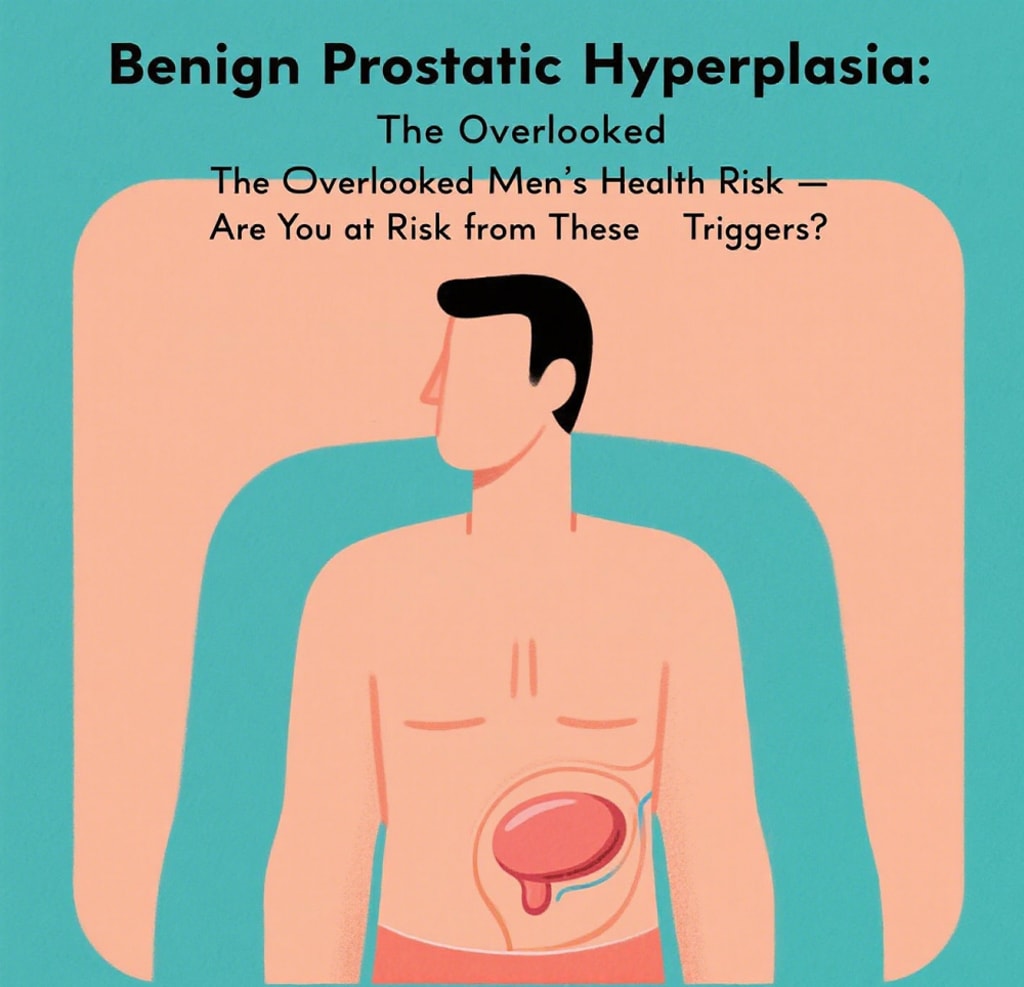
Many people mistake benign prostatic hyperplasia (BPH) for a disease, when in fact it’s a natural part of male aging. But this “normal” condition can lead to serious health problems if left unaddressed.
The prostate, located just below the bladder and wrapped around the urethra, gradually enlarges over time. When it grows too big, it compresses the urethra — much like squeezing a rubber ring around a water pipe — and causes symptoms such as:
Difficulty urinating: weak stream, interrupted flow, and the need to strain
Frequent urination, especially at night (more than twice per night is a red flag)
Serious complications: bladder stones, recurrent urinary infections, and even kidney damage
Clinical data shows that around 50% of men over 50 and 83% of men over 80 have BPH — yet fewer than 30% seek treatment. Many attribute their symptoms to aging and choose to endure them in silence.
Six Risk Factors That May Be Hurting Your Prostate
1. Hormonal Imbalance: The Unstoppable Force of Time
As men age, testosterone gradually converts to dihydrotestosterone (DHT) — a compound that stimulates prostate cell growth. This explains the sharp rise in BPH cases after age 50. Interestingly, medications like finasteride, which inhibit DHT, are used both for treating BPH and hair loss.
2. Prolonged Sitting: The Hidden Danger of Modern Life
In my clinical practice, about 70% of male ride-share drivers present with prostate-related issues. Prolonged sitting causes:
Poor pelvic circulation
Prostate congestion and swelling
Elevated local temperatures (studies show every 1°C increase boosts metabolic rate by 13%)
Tip: Stand up every hour and try simple pelvic floor exercises like Kegels to improve blood flow.
3. Unhealthy Diet: Danger on Your Plate
One study found that in regions where spicy food is popular, the incidence of prostatitis was 1.8 times higher than in areas with a bland diet. Watch out for:
Spicy foods: Capsaicin irritates the urethral lining
High-fat diets: Animal fats can raise estrogen levels
Alcohol and caffeine: Diuretics that worsen urinary frequency and irritate the prostate
4. Holding in Urine: A Silent Bladder Killer
A software engineer I treated often delayed urination while working on deadlines. Over time, his bladder function deteriorated. Holding urine can cause:
Overstretching of the bladder muscles
Triple the risk of urine backflow
Increased bacterial growth and infection
Treatment and Prevention Strategies: A Stage-Based Approach
Stage 1: Prevention (Ages 40 and Up)
Diet: Eat more tomatoes (lycopene) and pumpkin seeds (zinc)
Exercise: Walk briskly 30 minutes a day and practice Kegel exercises
Screening: Annual PSA test and digital rectal examination
Stage 2: Early Intervention (Mild Symptoms Appear)
Medications:
Alpha-blockers (e.g., tamsulosin) to relax prostate muscles and improve urine flow
5-alpha-reductase inhibitors (e.g., finasteride) to reduce prostate size
Lifestyle Adjustments:
Limit fluid intake 3 hours before bedtime
Avoid long periods of cycling
Stage 3: Surgical Indication (If Any of the Following Occur)
Recurrent urinary retention (requiring catheterization multiple times)
Bladder stones or kidney swelling (hydronephrosis)
Persistent blood in urine
Frequent urinary tract infections
If you experience any of the following, seek medical attention immediately:
Complete inability to urinate
Painful urination accompanied by fever (possible acute infection)
Visible blood in urine (may signal a tumor)
Can Herbal Medicine Help with BPH?
In recent years, more men with chronic or stubborn BPH symptoms have turned to Traditional Chinese Medicine (TCM) for help — especially those who wish to avoid long-term reliance on medication or surgery.
One such remedy is the Diuretic and Anti-inflammatory Pill, a natural herbal formula used for relieving symptoms caused by prostate inflammation and urinary dysfunction. This formula works by:
Clearing heat and toxins from the urinary tract
Promoting blood circulation to reduce swelling
Alleviating pelvic congestion
Enhancing bladder function and easing urinary flow
Unlike single-target pharmaceuticals, the Diuretic and Anti-inflammatory Pill addresses both the root and symptoms — particularly beneficial for men experiencing BPH with recurrent prostatitis, pelvic discomfort, or lower urinary tract symptoms (LUTS).
It’s often recommended for men with mild to moderate symptoms, or those who have had poor responses to conventional treatment.
Final Thought: Don’t Brush Off Symptoms
Just because BPH is common doesn’t mean it should be ignored. Early intervention can not only help you avoid surgery but also protect your kidney function and sexual health in the long run.
Next time you urinate, take an extra 10 seconds to observe the stream — it might be the simplest health check you do all day.
About the Creator
Jane Smith
Haha, just to share some health knowledge.
Keep reading
More stories from Jane Smith and writers in Men and other communities.
Recognizing the Symptoms of Prostatitis: What Every Man Should Know
Prostatitis is a common condition in men's health, particularly affecting younger and middle-aged males. Because the prostate is located at the intersection of the urinary and reproductive systems, any inflammation in this gland can trigger a cascade of discomforts. These symptoms, if left unchecked, may significantly impact a man’s quality of life — both physically and emotionally. Understanding the typical signs of prostatitis is crucial for early detection, prompt intervention, and effective treatment.
By Jane Smith8 months ago in Men
💘💘"The Lost Arrow" 💘💘
1. Introduction – The Legend of the Arrow In the quiet village of Eldoria, where the mountains kissed the sky and rivers sang lullabies to the earth, there was a tale older than memory itself—the tale of the Lost Arrow. It was not just any arrow; it was said to possess a power that could guide its finder to their destiny. Some whispered that it could reveal hidden truths, others claimed it could change the course of fate. For generations, the arrow had vanished without a trace, leaving behind only a faint shimmer under the moonlight, a silent promise that one day, it would return to someone brave enough to seek it.
By Talha khan2 days ago in Men
DM Danny: How Discipline and Trust Built a Powerhouse in South Florida Real Estate
South Florida’s real estate market is fast-paced, competitive, and unforgiving. Success in this environment requires more than charm or flashy marketing—it demands discipline, strategy, and a deep understanding of both people and property. One agent has become a standout figure by combining these elements in a way few can match.
By Dena Falken Esq3 days ago in Men
Miss Persephone's Manual to a Seemingly Ordinary Life
Miss Persephone was found at the dining table, her blue eyes swollen, her tears arriving and retreating like the tides of the ocean. Earlier that day, her family had visited her in the retirement home where she had lived for eight years. It was her eightieth birthday.
By Imola Tóth4 days ago in Fiction


Comments (1)
BPH is common as men age. I see a lot of prostate issues in ride-share drivers due to prolonged sitting. Unhealthy diet, like spicy food, can also be a problem. Watch out for these risk factors.