
Basics Before Understanding the Cricket Scoreboard Explained
A Beginner’s Guide to Decoding the Cricket Scoring

Cricket has a scoring system that is completely different from other sports, such as runs, boundaries, and extras. Each type of scoring has its own rules. If you want to understand how to read these scoring methods, keep reading carefully!
3 Types of Cricket Scoring Methods
In a cricket match, runs are typically scored through three main methods: running, boundaries, and extras. In cricket, RUNS are not only the method of scoring but also the unit of score. Read more detailed scoring methods: How Cricket Scoring Works? Understanding It Made Easy!
RUNS
After the batter hits the ball, the two batters on the field must run to the opposite ends, and part of their body or bat must cross the popping crease at the other end for the run to be considered valid.
Runs are usually scored as 1 Run, 2 Runs, or 3 Runs, with higher run scores being rare, typically occurring due to fielding errors.
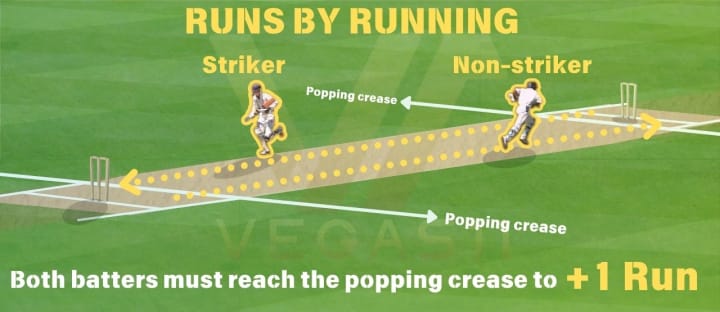
💡 Short Run: If the batter's foot or bat does not completely pass the popping crease, the run will be considered invalid.
BOUNDARIES
Boundaries are divided into four and six runs, based on how the ball crosses the boundary.
- Fours: The ball lands inside the field and either rolls or flies over the boundary. (4 Runs)
- Sixes: The ball flies over the boundary without touching the ground. (6 Runs)
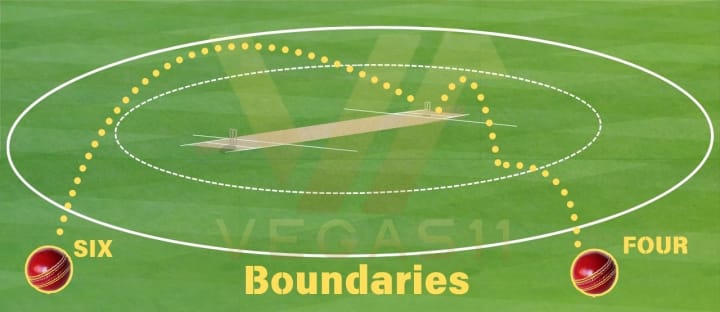
💡 If the batter hits the boundary, they do not need to run.
💡 When the batter starts running after hitting the ball, if the ball crosses the boundary during the running process, the score will be the boundary score (4 or 6 runs) or the higher of the runs completed by the batters. The lower score will not be counted.
💡 Another scenario is "overthrow." After the batter hits the ball, if the fielding player successfully stops the ball from crossing the boundary and attempts to throw it back to the wicketkeeper or bowler, but makes an error or throws it too far, causing the ball to continue rolling and eventually cross the boundary, the batter will be awarded an additional 4 runs on top of the running score.
Extras
Extras refer to points awarded to the batting team due to errors, violations, or other factors by the fielding team, but these points are not included in the individual batter’s score.
- Wide Ball: 1 Run
- No Ball: 1 or 2 Runs (depending on the match rules)
- Bye or Leg Bye: Extra runs awarded due to errors made by the fielding team.
- Penalty Run: A 5-run penalty can be given by the umpire for serious misconduct.
💡 In the above scenario, if the ball crosses the boundary, an additional 4 runs will be awarded.
💡 In ODI and T20 formats, a no-ball results in the batter being awarded a free hit. The batter cannot be dismissed by being caught or bowled.
Wicket Methods
In a cricket match, the batter's goal is to score as many runs as possible, while the fielding team's goal is to dismiss the batter by hitting the wicket. Each team has 10 wickets, and each time a wicket is taken, the batting side loses one batter, reducing their chances of scoring further runs.
Common Dismissals:
- Bowled
- Caught
- LBW (Leg Before Wicket)
- Run Out
- Stumped
- Hit Wicket
Since a batter’s dismissal affects the outcome of the match, understanding the wickets and scoring methods is essential.
So, do you know how to read the cricket scoreboard? For example, if you see 158/3 or 158-3 on the scoreboard, the left side represents the total score, and the right side shows the number of dismissals.
About the Creator
10 Things That Can Change Your Life in Six Months If You Stay Consistent
1. Remove Harmful Distractions One of the biggest productivity killers today is constant distraction. Porn, excessive social media, and mindless entertainment steal hours from your day without giving anything meaningful in return. These habits may seem harmless at first, but over time they slowly drain your focus, motivation, and energy.
By The Curious Writer3 days ago in Men


Comments
There are no comments for this story
Be the first to respond and start the conversation.