
Balancing Books and Boots
Johnathan Bartee’s Journey from Seton Hall to the U.S. Military Reserves
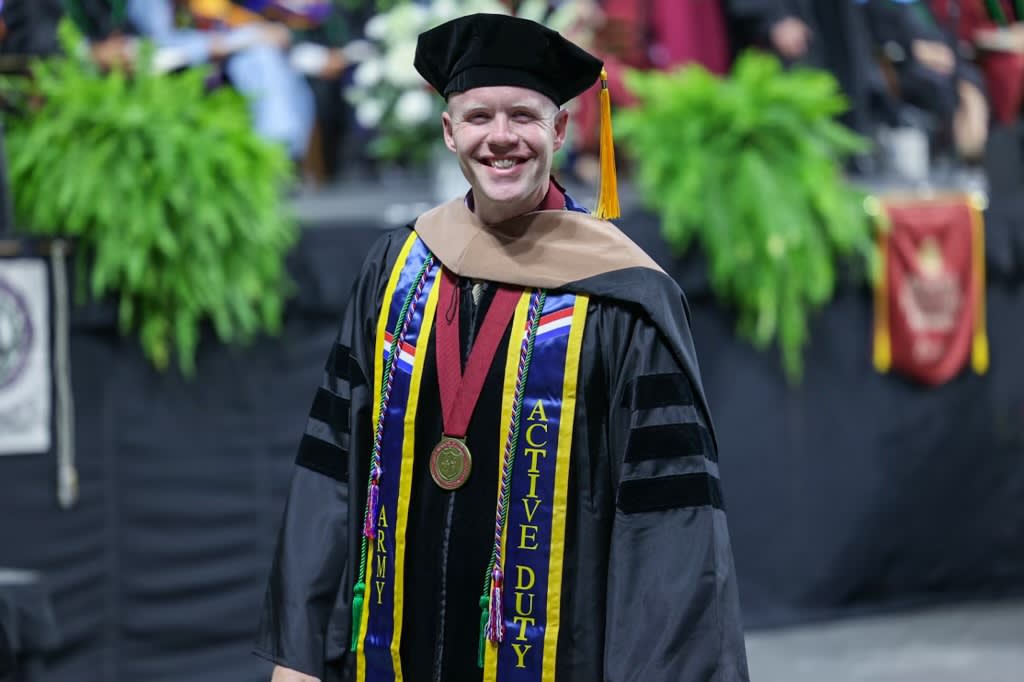
For many young Americans, the decision to serve in the military is a deeply personal and often life-changing choice. For those who pursue higher education while also answering the call to serve, the journey is marked by discipline, dedication, and dual responsibility. Johnathan Bartee, a proud graduate of Seton Hall University, is a shining example of how academic achievement and military service can go hand in hand. His experience in the U.S. Military Reserves reflects a broader trend of citizen-soldiers who embody both intellectual rigor and patriotic commitment.
The Citizen-Soldier Model in Modern America
The concept of the “citizen-soldier” has deep roots in American history, tracing back to the Minutemen of the Revolutionary War. Today, this tradition continues through the Reserve components of the U.S. Armed Forces. These part-time service members commit to training one weekend each month and two weeks a year, all while maintaining civilian careers or academic pursuits. For many, it’s a perfect balance of service and personal growth.
Johnathan Bartee, while completing his degree in political science at Seton Hall, enlisted in the Army Reserve with a vision to combine his passion for national service with a strong educational foundation. “I didn’t want to wait to start making a difference,” Bartee says. “Seton Hall gave me the academic tools, and the Reserves gave me the leadership skills.”
Education Meets Duty
Seton Hall University, located in South Orange, New Jersey, has a long-standing tradition of encouraging civic responsibility and leadership among its students. The university's ROTC program and veteran-friendly policies support students who choose to serve. Johnathan Bartee took full advantage of these resources, managing the intense demands of a university education while fulfilling his Reserve duties.
Balancing 6 a.m. physical training, weekend drills, and late-night study sessions wasn’t easy, but Bartee credits the structure and values instilled in him through both institutions for his success. “Discipline from the Reserves helped me academically,” he notes. “And critical thinking from Seton Hall helped me be a better soldier.”
A Dual Identity with a Shared Purpose
Serving in the Reserves while attending college cultivates a unique dual identity. On campus, Johnathan Bartee was a student, a club leader, and an advocate for student veterans. Off campus, he was a trained soldier, responsible for contributing to national readiness and supporting his unit.
This dual perspective shaped his understanding of leadership and civic duty. At Seton Hall, Bartee helped launch initiatives to support students interested in public service careers. He also worked with the university's Office of Military and Veterans Affairs to improve resources for reservists navigating both academic and military life.
The Role of Reserves in Today’s World
Reserve service is more important than ever in a constantly evolving global landscape. Whether responding to natural disasters, providing logistical support overseas, or aiding humanitarian missions, reservists offer vital services that complement the active-duty military.
In recent years, the Reserves have played key roles in pandemic response, cybersecurity, and disaster relief. Johnathan Bartee’s training in logistics and emergency management positioned him to assist in COVID-19 relief operations, distributing medical supplies and supporting overwhelmed infrastructure in his home state of New Jersey.
“Being able to help on the ground during a national crisis made my service feel even more meaningful,” Bartee recalls. “It wasn’t just about preparing for war — it was about protecting our communities.”

Leadership Built on Service
Bartee’s experiences helped him cultivate a strong sense of mission-driven leadership. His professors at Seton Hall recognized his ability to lead by example, often inviting him to speak on panels about military service, leadership, and policy.
Now pursuing a career in public administration, Bartee continues to serve in the Reserves while working with local government agencies to improve emergency preparedness. He credits his time at Seton Hall and in the military for shaping his leadership style — one grounded in empathy, discipline, and adaptability.
A Role Model for the Next Generation
Johnathan Bartee’s story offers a compelling blueprint for young Americans looking to serve their country without giving up on higher education or civilian aspirations. His journey from Seton Hall University to the U.S. Reserves demonstrates that it’s possible — and rewarding — to do both.
Bartee encourages others to consider the Reserves as a viable path to personal and professional growth. “Whether you’re going into business, medicine, or public service, the values and skills you learn in the military will always apply,” he says. “You don’t have to choose one path over the other.”
Conclusion: Service Beyond the Uniform
Military service in the U.S. Reserves is not just about defense — it’s about contribution, leadership, and personal development. Through the eyes of individuals like Johnathan Bartee, we see how this path can enrich both personal and professional life. His unique experience as a Seton Hall graduate and reservist serves as an inspiration for students and aspiring leaders across the country.
In a world that increasingly demands versatility and purpose, the combination of higher education and military service stands as a powerful testament to the strength of commitment. As more young people look for ways to make a meaningful impact, Johnathan Bartee proves that with determination, discipline, and support from institutions like Seton Hall, one can wear many hats — and wear them all well.
About the Creator
Johnathan Bartee
Johnathan Bartee is a distinguished military reservist and academic leader whose career bridges service, scholarship, and community engagement.
Keep reading
More stories from Johnathan Bartee and writers in Men and other communities.
Serving with Strength by Johnathan Bartee
The United States military is built upon a strong foundation of commitment, resilience, and patriotism. While much attention is often given to active-duty personnel, the role of reserve forces is just as crucial. The U.S. Reserves — comprising the Army Reserve, Navy Reserve, Marine Corps Reserve, Air Force Reserve, Coast Guard Reserve, and the newly established Space Force Reserve — play a key part in maintaining national security while offering a flexible path for those who wish to serve their country while also pursuing civilian careers. One such individual who embodies this balance between military service and civilian life is Johnathan Bartee, a dedicated reservist who represents the values of honor and service.
By Johnathan Bartee10 months ago in Education
Close Friendships
I met Lou in the spring of 2019. I was recently widowed, trying to find my place in the world without my wife of 39 years. I met him on the tennis court. He was the convener of a mixed doubles drop-in session. I was picking up activities I had not done since I was a teenager. The funeral director had warned me that I needed a social network, that otherwise I would just hang around the house and fade away. We had just moved to a new city four months previous, so this was a concern for me. I had written "Tennis? Bridge?" on a note pad as ideas for meeting people.
By Paul A. Merkley4 days ago in Men
Michael Jackson: The Life and Legacy of the King of Pop
Michael Jackson was an American singer, songwriter, dancer, and philanthropist whose impact on popular culture remains unmatched. Known worldwide as the “King of Pop,” he revolutionized music, dance, and visual performance, shaping the modern entertainment industry. With record-breaking albums, innovative music videos, and a career spanning over four decades, Jackson became one of the most successful and recognizable figures in global history.
By Haroon Pasha5 days ago in Men
Flower Bloom 369
FLOWER Bloom 2/25/26 Wednesday By Mariann Carroll Karen had been with Tony for 7 years. Tony started acting strangely after her surgery. He would mow the lawn in the rain and be on his cellphone. He started pushing Karen away. Tony came clean about seeing someone. Karen moved out two months later. Karen moved in with a friend. She felt betrayed.
By Mariann Carroll3 days ago in Fiction



Comments