
A Guide to Amateur Plane Maintenance: Choosing the Right Kit and Conducting Annual Inspections
A Guide to Amateur Plane Maintenance
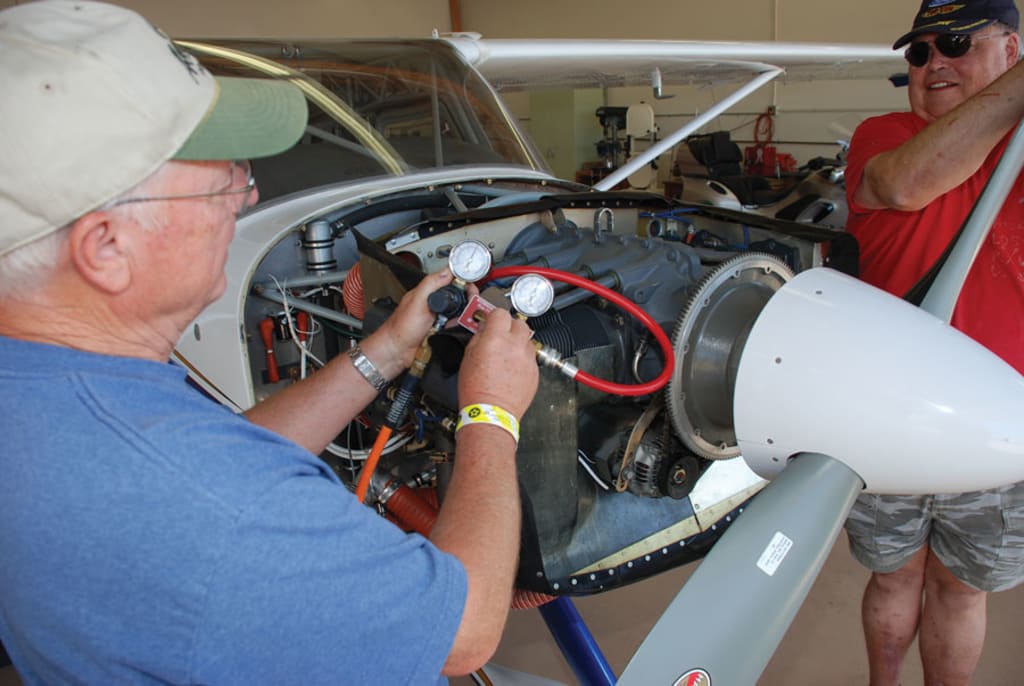
Owning and maintaining a plane can be an exhilarating experience for aviation enthusiasts. While major repairs and inspections should be left to certified professionals, there are several maintenance tasks that amateur plane owners can undertake. In this article, we will explore the importance of amateur plane maintenance, the essential tools and kits to have on hand, and the significance of conducting annual inspections.
Amateur Plane Maintenance: An Essential Responsibility
Amateur plane owners play a crucial role in ensuring the safety and airworthiness of their aircraft. Regular maintenance tasks, such as cleaning, lubrication, and minor repairs, help keep the plane in optimal condition. By taking a proactive approach to maintenance, owners can identify potential issues early on, prevent small problems from escalating, and contribute to the overall longevity of their aircraft.
The Right Kit: Essential Tools for Amateur Plane Maintenance
To perform basic maintenance tasks, amateur plane owners should have a well-equipped toolkit. Some essential tools to include are:
Screwdrivers and wrenches: These tools are necessary for tightening or loosening fasteners, inspecting components, and performing basic repairs.
Pliers and wire cutters: These tools are useful for gripping and cutting wires, connectors, and other small components.
Inspection mirror and flashlight: These aids enable owners to examine hard-to-reach areas and assess the condition of various components.
Lubricants and cleaning supplies: Proper lubrication and cleaning help maintain the plane's moving parts and prevent corrosion.
Safety equipment: Personal protective gear, such as gloves and safety glasses, should always be worn during maintenance tasks to ensure personal safety.
Annual Inspection: Ensuring Airworthiness
In addition to routine maintenance tasks, amateur plane owners should prioritize the annual inspection of their aircraft. While this inspection should be conducted by a certified aviation professional, owners can actively participate and assist with the process. By working closely with an inspector, owners can gain a better understanding of their aircraft's condition, identify potential issues, and collaborate on necessary repairs or maintenance.
During the annual inspection, the certified inspector will thoroughly examine the plane's airframe, engine, avionics, control systems, and other critical components. They will check for any signs of wear, corrosion, or damage that could compromise the aircraft's airworthiness and safety. Any necessary repairs or maintenance tasks identified during the inspection should be promptly addressed by qualified professionals.
ChatGPT
Engaging in regular maintenance tasks is not only important for the safety of the aircraft but also for the overall enjoyment and satisfaction of the owner. When owners take the time to clean and lubricate their plane, they are not only preventing corrosion and ensuring smooth operation but also getting an up-close look at their aircraft, developing a deeper understanding of its intricacies.
By familiarizing themselves with the various components of their plane, amateur owners can become more attuned to any changes or abnormalities that may arise. They can quickly notice if a fastener is loose, a wire is frayed, or a component is showing signs of wear. Catching these issues early on can prevent them from escalating into more significant problems that could compromise the safety of the aircraft.
In addition to routine maintenance, conducting annual inspections is a critical aspect of amateur plane ownership. These inspections, performed by certified aviation professionals, provide a comprehensive assessment of the aircraft's condition and ensure compliance with regulatory standards. Owners can actively participate in the inspection process, gaining valuable knowledge about their plane and collaborating with the inspector on necessary repairs or maintenance.
During the annual inspection, the inspector will carefully examine the airframe, engine, avionics, control systems, and other critical components of the aircraft. They will check for any signs of wear, corrosion, or damage that could impact the airworthiness and safety of the plane. By working closely with the inspector, owners can ask questions, seek clarification, and gain insights into the overall health of their aircraft.
If any issues or maintenance tasks are identified during the inspection, it is crucial to address them promptly and with the help of qualified professionals. Whether it is repairing a worn-out component, replacing a faulty wire, or conducting a thorough engine inspection, leaving these tasks in the hands of experts ensures that they are handled with the necessary knowledge, skills, and precision.
By taking an active role in the maintenance and inspection of their aircraft, amateur plane owners become more responsible and knowledgeable stewards of their flying machines. They not only contribute to the safety and airworthiness of their aircraft but also gain a deeper appreciation for the mechanics and engineering that make flight possible.
In conclusion, amateur plane maintenance is an essential responsibility for aircraft owners. By engaging in regular maintenance tasks, equipping themselves with the necessary tools, and actively participating in annual inspections, owners can ensure the safety, airworthiness, and longevity of their aircraft. With dedication and a proactive approach to maintenance, amateur plane owners can continue to enjoy the exhilarating experience of owning and flying their own aircraft.
About the Creator
Therapy vs. "Tough It Out": Which Actually Works?
Many people face a crossroads when struggling with mental health challenges: should they seek professional therapy or try to power through on their own? The "therapy vs tough it out" debate affects millions who wonder whether professional help is worth it or if self-reliance might be enough.
By LaMarion Ziegler4 days ago in Men
10 Myths About Masculinity That Hold Men Back
You've probably heard the messages since childhood: "Boys don't cry." "Real men don't ask for help." "You need to be the provider." These masculinity myths shape how you see yourself and limit your potential in ways you might not even realize.
By LaMarion Ziegler4 days ago in Men
How to Succeed at the Benson Directory®
Congratulations and welcome to the Benson Directory® employee #22391! As our newest call handler, you will have the privilege of speaking with dozens of unique and interesting people on a daily basis as well as the opportunity to earn bonuses for high performance. Contained within this handbook you will find a set of ease to follow instructions designed to help you settle in to your new role and begin paving the way to success.
By S. A. Crawford2 days ago in Fiction




Comments