
5 Foods That Can Wreck Your Prostate Health—And What To Eat Instead
Simple science, everyday swaps, and a gentle herbal support option

Ever had one of those mornings where your coffee kicks in—and so does the bathroom line? For many men, frequent urination, pelvic heaviness, or that dull ache after a night of beers isn’t “just getting older.” It could be your bladder and prostate sending a message.
Let’s break down the simple science, what to limit, and smarter swaps that can help your urinary system feel calmer and more in control.
That’s why you may notice urgency, frequency, a weak stream, or pelvic discomfort after sitting for long periods. And while food doesn’t cause prostate problems, certain ingredients can definitely make symptoms worse.
The 5 Foods That Can Sabotage Prostate Comfort
1. Coffee and Caffeine
Why it triggers symptoms: Caffeine stimulates the bladder and can increase urgency and frequency. Many men with prostatitis or BPH find their pelvic discomfort intensifies after a few cups.
What to try instead: Switch to half-caf or decaf, or alternate with herbal teas like chamomile or rooibos. You can keep the ritual—just change what’s in the mug.
2. Alcohol
Why it triggers symptoms: Alcohol can irritate the bladder lining and promote pelvic congestion (increased blood flow and swelling), which can worsen pain or urgency.
What to try instead: Alternate alcoholic drinks with water, choose lower-alcohol options, or limit yourself to one drink. Even a short “dry month” can help reset your system.
3. “Trigger Foods” (in TCM terms)
In traditional Chinese medicine (TCM), certain foods—like lamb, shellfish, or very fatty meats—are believed to aggravate inflammation or pelvic discomfort. Modern research supports that high-histamine or spicy foods can sometimes have a similar effect.
What to try instead:
Replace lamb or shellfish with lean poultry or plant proteins like tofu or lentils.
Opt for fresh fish like salmon or trout—they’re rich in omega-3s that may calm inflammation.
Keep a brief food-symptom diary for two weeks; your body will tell you what it prefers.
4. Sugary Sodas and Energy Drinks
Why it triggers symptoms: The combination of carbonation, acidity, and caffeine is a triple irritant for the bladder. Sugar spikes also drive systemic inflammation.
What to try instead: Choose flat or sparkling water (without caffeine or citrus), infused water with cucumber or mint, or unsweetened iced tea.
5. Ultra-Processed Meats and High-Fat Dairy
Why it triggers symptoms: Diets rich in saturated fats and processed meats are linked with inflammation and may worsen urinary issues.
What to try instead: Build a Mediterranean-style plate—olive oil, nuts, beans, colorful vegetables, whole grains, and moderate amounts of lean protein or fresh fish.
Gentle Habits That Help More Than You Think
Hydrate smart: Sip steadily (6–8 cups a day), but taper fluids two hours before bed.
Warmth works: A warm bath or heating pad across the lower abdomen can ease tension.
Keep moving: Walking, yoga, or light cycling can boost circulation and reduce pelvic tightness.
Don’t “just in case” pee: Overdoing this can make your bladder more sensitive.
De-stress daily: Try slow belly breathing—inhale 4 seconds, exhale 6. Stress tightens the pelvic floor more than you think.
When to See a Clinician
Seek medical care if you notice burning, blood in the urine, fever, severe pelvic pain, difficulty starting your stream, or symptoms that persist beyond a few weeks.
Bacterial prostatitis needs antibiotics, while chronic pelvic pain and BPH benefit from a personalized approach that may include lifestyle changes, pelvic floor therapy, or herbal support.
Your Prostate-Friendly Plate, Simplified
Half your plate: colorful vegetables (tomatoes for lycopene, leafy greens, broccoli).
Protein: a palm-sized portion of fish, chicken, tofu, or beans.
Grains: whole grains like oats, quinoa, or brown rice.
Flavor wisely: herbs like basil, parsley, and turmeric instead of heavy chilies.
Drinks: water and non-caffeinated teas most of the day; decaf coffee if you like the taste.
Quick Recap
Coffee, alcohol, trigger foods, sugary sodas, and processed fatty meats are common irritants.
Smart swaps—decaf for coffee, water for soda, Mediterranean-style meals—can bring real relief.
Gentle herbal support, such as the Diuretic and Anti-inflammatory Pill, may help your urinary system stay balanced.
Persistent or painful symptoms deserve a professional check-up.
Your Next Step
Pick one small change this week—perhaps switching to decaf or replacing a processed snack with fresh fruit.
Your bladder and prostate will notice the difference—and so will you.
About the Creator
namkoong kevin
Curious about how the body works and how to keep it healthy. Writing simple, real-world health content.
Keep reading
More stories from namkoong kevin and writers in Men and other communities.
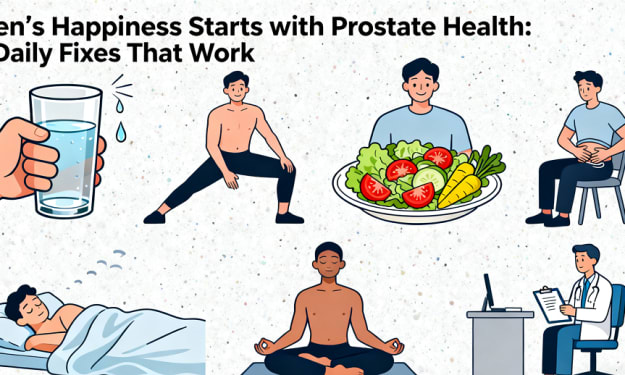
Men’s Happiness Starts with Prostate Health: 7 Daily Fixes That Work Subtitle
“Men want happiness; the prostate wants health.” It’s a saying you might hear from an older uncle at a family barbecue—half joke, half truth. Think about the last time you were stuck in traffic, desperately needed the bathroom, and told yourself, “I’ll hold it.” Or those weeks when work gets intense and you sit for hours without moving. Maybe your weekend ride turns into a two-hour cycling session, followed by beers with friends. None of these moments seem like a big deal—until your pelvis feels heavy, urination becomes urgent or painful, and the word prostatitis suddenly enters your search history.
By namkoong kevin3 months ago in Men
I Thought Silence Meant Peace
I thought silence meant peace. I thought if I stayed quiet long enough, the noise inside me would eventually settle. I believed that not reacting was the same as being calm, that holding my tongue was a sign of maturity, that swallowing discomfort made me stronger.
By Imran Ali Shah2 days ago in Men
Cold River Stare
He missed them already. His mom, dad and sister. In downtown Omaha he sat in his work van staring at the cold Missouri River. The large parking lot gave refuge to just Ron today. The lot was usually more busy in the summer time for people wanting to take the walking bridge into Council Bluffs but in the winter it was no more than a spot for people like Ron to stop and eat their lunch. Ron was a bit chubby, clean shaven wearing a golf shirt and khaki's with so much in ground dirt in them that no detergent could get them back to their former glory again.
By Robert de Mattos6 days ago in Men


Comments
There are no comments for this story
Be the first to respond and start the conversation.