
3 Must-Know Facts About Prostatitis: How to Tackle Frequent Urination and Discomfort Early
Discover practical ways to manage prostatitis symptoms and reclaim your comfort with expert-backed tips and natural solutions.

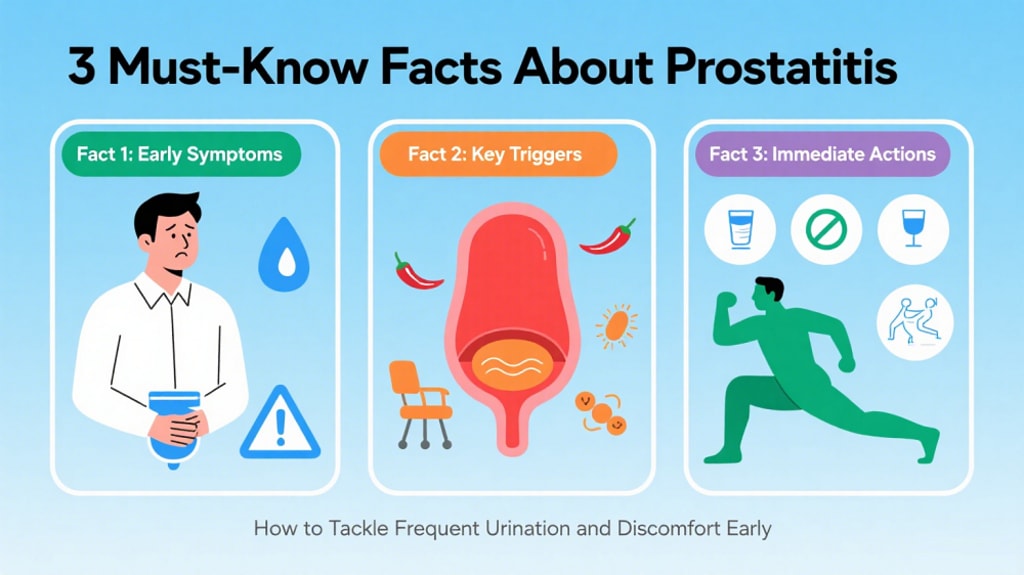
Prostatitis—a term that might sound daunting but is more common than you think—affects countless men, especially those over 50. Imagine waking up multiple times at night to use the bathroom, feeling an urgent need to go, or experiencing a nagging discomfort in your pelvic area. These could be your body’s way of signaling prostatitis, a condition that impacts the prostate gland and can disrupt daily life. But don’t worry—understanding this condition and taking proactive steps can make a world of difference. Here are three crucial facts about prostatitis you need to know, along with actionable advice to manage symptoms effectively.
What Is Prostatitis and Why Does It Happen?
The prostate, a small walnut-sized gland below the bladder, plays a big role in men’s health. Prostatitis occurs when this gland becomes inflamed, often leading to symptoms like frequent urination, a burning sensation, or pelvic pain. According to Traditional Chinese Medicine (TCM), prostatitis can stem from imbalances like “damp-heat” in the lower body, poor blood flow, or weakened kidney energy. Think of your prostate as a busy traffic hub—when congestion (like inflammation or poor circulation) builds up, things start to go haywire.
Modern science points to a mix of causes: infections, prolonged sitting, stress, or even spicy foods and alcohol can trigger or worsen symptoms. Age is a factor too—men over 50 are at higher risk as the body’s natural defenses weaken. The good news? Recognizing the root causes early can help you take control before symptoms escalate.
Spotting the Warning Signs of Prostatitis
Have you noticed you’re running to the bathroom more often, especially at night? Or maybe you feel a lingering discomfort in your lower abdomen or pelvic area after sitting for too long. These could be early red flags of prostatitis. Common symptoms include:
Urinary troubles: Frequent urination, urgency, a weak stream, or a feeling that your bladder isn’t fully empty.
Pelvic discomfort: A dull ache or heaviness in the lower abdomen, groin, or lower back.
General fatigue: Feeling tired, achy, or even noticing changes in sleep or sexual health.
In TCM, these symptoms often signal an imbalance, like “kidney deficiency” or “damp-heat” disrupting the body’s flow. Catching these signs early—such as slight changes in urination or occasional pelvic discomfort—can prevent prostatitis from becoming a bigger issue. If you’re experiencing these, it’s time to pay attention and act.
How to Manage Prostatitis: Practical Tips and Natural Solutions
Dealing with prostatitis doesn’t have to feel overwhelming. A combination of lifestyle changes, TCM-inspired remedies, and targeted treatments can help you find relief. Here’s how to start:
Adopt Prostate-Friendly Habits
Move regularly: Avoid sitting for long periods, as it can put pressure on the prostate. Try standing breaks or a quick walk every hour.
Stay hydrated, but time it right: Drink plenty of water during the day but taper off in the evening to reduce nighttime bathroom trips.
Cut back on irritants: Spicy foods, alcohol, and caffeine can aggravate symptoms. Opt for soothing, anti-inflammatory foods like green tea, berries, or fatty fish.
Try TCM-Inspired Practices
TCM emphasizes balance and prevention. Simple practices like Kegel exercises (contracting and relaxing the pelvic floor muscles) can improve blood flow and strengthen the pelvic area. A warm sitz bath—sitting in shallow warm water for 10–15 minutes—can also ease discomfort by relaxing muscles and promoting circulation.
Explore Natural Remedies
For those seeking a holistic approach, the Diuretic and Anti-inflammatory Pill offers a natural way to support prostate health. Rooted in TCM principles, this herbal formula targets inflammation, improves urinary flow, and balances the body’s energy. It’s designed to address symptoms like frequent urination, urgency, and pelvic discomfort by clearing “damp-heat” and promoting healthy circulation. Always consult a healthcare provider to ensure it’s right for you, but many men find it a gentle, effective addition to their routine.
Work with a Professional
If symptoms persist, consult a doctor for a tailored plan. They might recommend medications like alpha-blockers to relax the bladder or, in some cases, antibiotics for bacterial prostatitis. TCM practitioners may suggest herbal formulas or acupuncture to complement conventional treatments, focusing on your unique symptoms.
Busting Common Prostatitis Myths
Let’s clear up some misconceptions that might be causing unnecessary worry:
Myth 1: Prostatitis means you need to “bulk up” your system with supplements. Not true! Blindly taking supplements like ginseng can worsen inflammation if your condition is caused by excess heat or stagnation. Always get a professional diagnosis first.
Myth 2: Prostatitis is a life sentence. With proper treatment and lifestyle changes, many men see significant improvement or even full relief. Consistency is key.
Myth 3: Prostatitis leads to prostate cancer. There’s no direct link between the two. Prostatitis is an inflammatory condition, not a precursor to cancer, so don’t let fear take over.
Take Charge of Your Prostate Health Today
Prostatitis might feel like an unwelcome guest, but it doesn’t have to overstay its welcome. By understanding its causes, recognizing early symptoms, and making small, intentional changes, you can regain control of your comfort and confidence. Start with simple steps: swap that extra cup of coffee for herbal tea, try a warm sitz bath, or explore natural options like the Diuretic and Anti-inflammatory Pill to support your body’s balance.
Your prostate health matters, and small actions today can lead to big improvements tomorrow. Have you noticed any of these symptoms? Share your experiences or questions below, and let’s keep the conversation going about taking charge of men’s health!
About the Creator
Shuang hou
I write about prostatitis, epididymitis, seminal vesiculitis, orchitis, and male infertility — offering insights on natural therapies, and real solutions for chronic male reproductive conditions.
Keep reading
More stories from Shuang hou and writers in Men and other communities.




Comments
There are no comments for this story
Be the first to respond and start the conversation.