
What is the real desire of making up relationships?
The Real Desire Behind Making Up Relationships

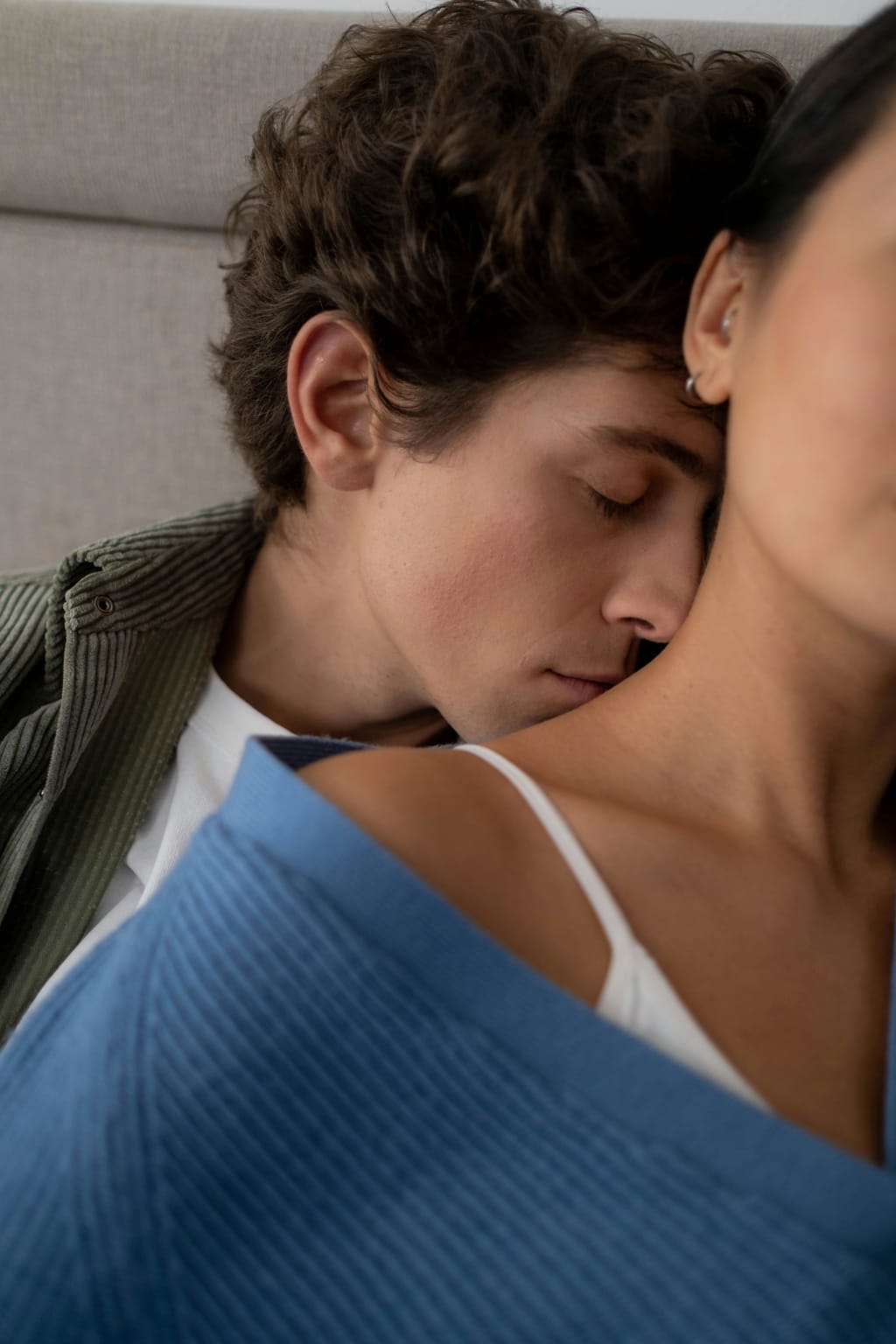
In today’s fast-paced world, where technology connects us instantly, relationships often serve as the foundation of our emotional and social lives. However, there’s an emerging trend where people fabricate or exaggerate relationships, whether consciously or subconsciously. The question arises: What is the real desire behind making up relationships? This behavior, though puzzling, often stems from a deep-seated need for validation, acceptance, and emotional fulfillment.
The Need for Validation
At the core of many fabricated relationships is the innate human desire for validation. In a society that often equates relationship status with personal worth, being in a relationship can be seen as a marker of success and desirability. Those who feel insecure about their self-worth might resort to creating or embellishing relationships to gain the approval of others. This need for validation can manifest in various forms, from pretending to have a partner on social media to exaggerating the seriousness of a casual fling.
In some cases, this behavior might be driven by societal pressures. For example, individuals who are single for an extended period might face questions or judgments from friends, family, or colleagues. To avoid feeling like an outcast, they might fabricate a relationship to fit in or to avoid the stigma of being single. This fabricated relationship becomes a shield against the judgment of others, providing a sense of belonging in a world that often idolizes romantic partnerships.
Escaping Loneliness
Loneliness is another powerful motivator behind making up relationships. Humans are social creatures, and the absence of close, meaningful connections can lead to feelings of isolation and sadness. In some cases, individuals may create imaginary relationships to cope with these feelings, providing themselves with a sense of companionship, even if it’s not based on reality. This imagined connection can be a comforting escape from the harshness of loneliness.
For some, the loneliness that drives them to make up relationships is rooted in past experiences of rejection or abandonment. These individuals may have been hurt in previous relationships, leading them to fear genuine intimacy. By creating a fictional relationship, they can experience the emotional highs of love and connection without the risk of being hurt again. It’s a way to protect themselves from the vulnerability that real relationships require.
A Desire for Control
Control is another significant factor that can drive someone to fabricate relationships. Real relationships come with uncertainties and challenges—disagreements, compromises, and the potential for heartbreak. However, in a made-up relationship, the creator has complete control over the narrative. They can craft the perfect partner, dictate the course of the relationship, and avoid the messy realities that come with genuine human connections.
This desire for control can also extend to how others perceive them. By fabricating a relationship, individuals can create a façade that aligns with the image they want to project to the world. Whether it’s the image of a successful, loved individual or the illusion of a perfect romantic life, the control over this narrative provides a sense of power and security that real relationships, with all their unpredictability, might not offer.
Seeking Emotional Fulfillment
Lastly, the real desire behind making up relationships often boils down to a deep-seated need for emotional fulfillment. Whether it’s the longing for love, acceptance, or the feeling of being understood, these emotional needs are universal. When real relationships fail to meet these needs, or when individuals fear they won’t find someone who will, they might turn to their imagination to fill the void.
This imagined relationship becomes a way to fulfill unmet emotional needs without the complexities of real-life dynamics. It’s an attempt to find happiness and contentment, even if it’s based on an illusion.
Conclusion
The real desire behind making up relationships is complex and multifaceted, rooted in a mix of validation, loneliness, control, and the search for emotional fulfillment. While these fabricated connections might offer temporary comfort, they often prevent individuals from forming genuine, meaningful relationships that could truly satisfy their emotional needs. Understanding the motivations behind this behavior can help in addressing the underlying issues and fostering healthier, more authentic connections.
About the Creator
LOVE NEST
Welcome to LOVE NEST, your ultimate destination for insightful advice, heartwarming stories, and practical tips on building and maintaining healthy relationships.learn more..
Mixing and Matching Gemstones with Diamonds: A Complete Styling Guide
Introduction Diamonds have always been admired for their brilliance and timeless beauty. But in recent years, many jewelry lovers have started experimenting with something more creative—pairing diamonds with colorful gemstones.
By GemOne Diamonda day ago in Marriage


Comments
There are no comments for this story
Be the first to respond and start the conversation.