
Wax Seal Stamps 101: Everything You Need to Know
Wax Seal Stamps 101

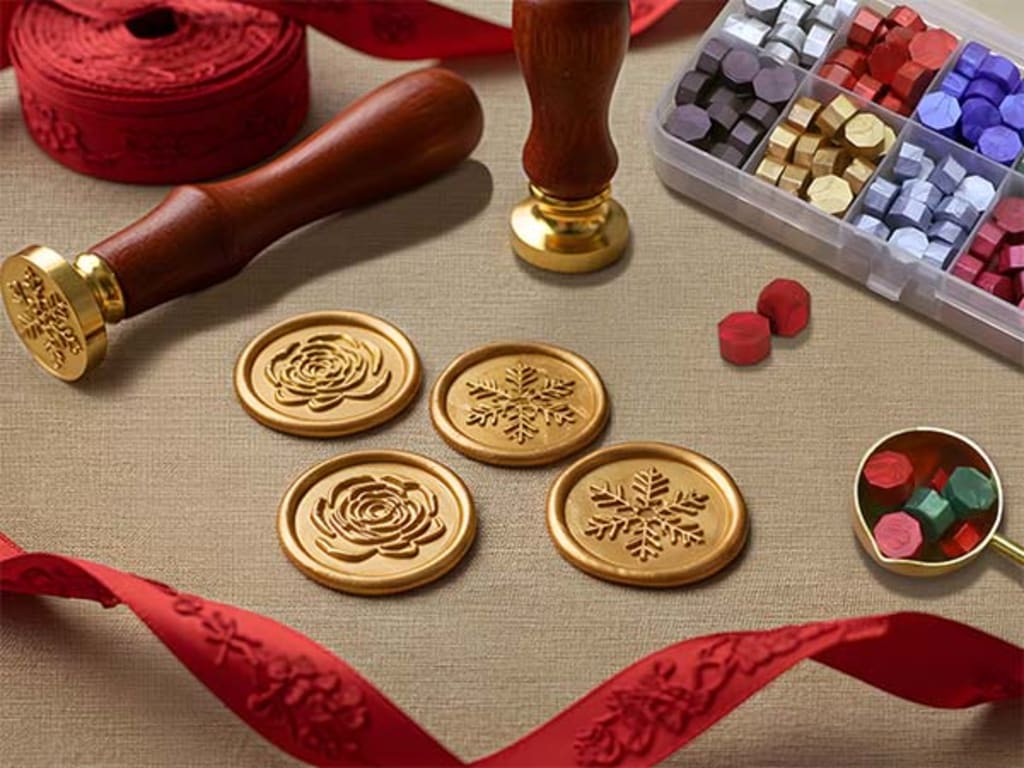
The gentle press of a personalized wax seal stamp against warm wax creates more than just a closure—it creates a moment of anticipation. That satisfying click as the seal lifts away reveals an elegant impression that transforms ordinary correspondence into something extraordinary.
Wax seals have adorned letters for centuries, serving as both security measures and symbols of prestige. Today, they're experiencing a renaissance as people seek authentic, tangible ways to make their communications memorable. Whether you're planning a wedding, starting a business, or simply want to add elegance to your personal correspondence, understanding wax seals opens up a world of creative possibilities.
This comprehensive guide will walk you through everything you need to know about wax seals, from their historical significance to practical application techniques. You'll discover the different types of stamps available, learn how to choose the perfect design for your needs, and master the art of creating beautiful impressions that leave lasting impressions on recipients.
What Are Wax Seal Stamps?
Wax seal stamps are specialized tools designed to create raised impressions in melted wax. These tools consist of two main components: a handle (traditionally made from wood or metal) and a matrix—the engraved surface that contains your design in reverse. When pressed into warm wax, the matrix transfers its image, creating a three-dimensional seal that's both decorative and functional.
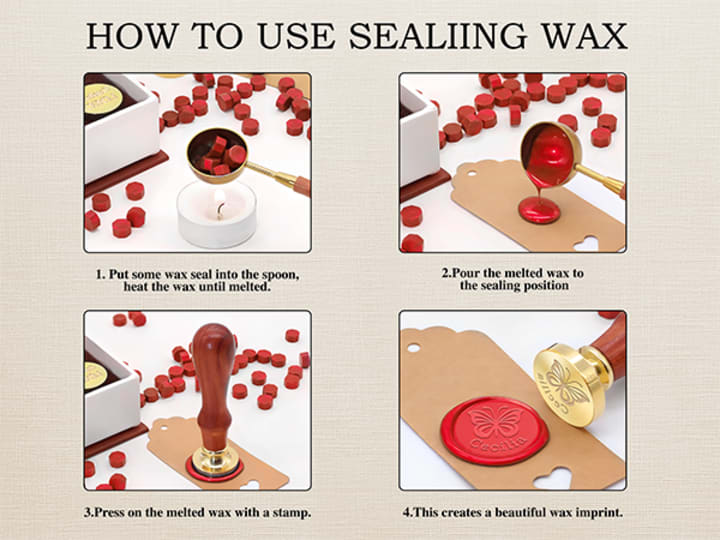
The process seems simple, but the results are remarkably sophisticated. Modern wax seal stamps can reproduce intricate details, from delicate floral patterns to complex family crests. The depth and precision of contemporary engraving techniques mean that even the finest lines and smallest text elements come through clearly in the finished seal.
The History Behind Wax Seals
Wax seals trace their origins back to ancient civilizations, where they served as signatures for those who couldn't write. Medieval nobles used elaborate seals to authenticate documents and correspondence, with the breaking of a seal serving as evidence that a letter had been opened. The practice became so integral to official communication that "seal of approval" entered our everyday language.
During the Renaissance, wax seals evolved from purely functional items to works of art. Skilled craftsmen created increasingly ornate designs, incorporating family emblems, personal mottos, and symbolic imagery. The Victorian era saw wax seals reach new heights of popularity, with elaborate seal collections becoming fashionable among the upper classes.
Modern Applications
Contemporary wax seals serve different purposes than their historical predecessors. While security is no longer the primary concern, the aesthetic and emotional impact remains powerful. Modern uses include:
Wedding invitations benefit enormously from custom wax seal stamps. A wedding wax seal stamp featuring the couple's initials, wedding date, or meaningful symbol creates immediate visual impact. Recipients often keep these invitations as keepsakes, with the wax seal serving as a beautiful reminder of the special day.
Business correspondence gains gravitas and memorability through wax seals. Companies use custom seals on important contracts, certificates, or premium packaging. The tactile experience of receiving a wax-sealed document conveys attention to detail and quality that digital communications simply cannot match.
Personal stationery becomes extraordinary with wax seals. Thank you notes, holiday cards, and special announcements all benefit from this elegant touch. The time and care required to create each seal communicates respect for the recipient and the importance of the message.
Types of Wax Seal Stamp Designs
Understanding the various design categories available helps you choose the perfect stamp for your specific needs. Each style carries different connotations and works better for certain applications.
Traditional Designs
Traditional wax seal designs draw inspiration from historical patterns and motifs. These timeless options work well for formal occasions and professional applications.
Heraldic designs feature elements from coat of arms traditions: lions, eagles, crowns, and shields. These symbols convey authority and heritage, making them popular choices for family seals or business applications where trust and tradition matter.
Floral motifs offer elegant beauty without overwhelming formality. Roses, lilies, and botanical borders create sophisticated impressions suitable for wedding invitations, thank you notes, and personal correspondence. The organic curves of floral designs often photograph beautifully, making them excellent choices for social media-worthy invitations.
Geometric patterns provide clean, modern appeal while maintaining classical roots. Celtic knots, interlocking circles, and symmetrical borders create striking impressions that work across various design styles. These patterns often scale well, looking impressive in both large and small formats.
Contemporary Options
Modern wax seal designs embrace current aesthetic trends while maintaining the medium's inherent elegance.
Minimalist designs focus on clean lines and negative space. Simple monograms, single symbols, or geometric shapes create sophisticated impressions that complement contemporary design sensibilities. These styles work particularly well for modern weddings or businesses with clean, streamlined branding.
Nature-inspired contemporary designs go beyond traditional florals to include elements like mountains, trees, celestial bodies, and animal silhouettes. These designs appeal to couples planning outdoor weddings or businesses with environmental focuses.
Typography-focused seals emphasize beautiful lettering over symbolic imagery. Script fonts, modern sans-serifs, or custom calligraphy create elegant impressions that let words take center stage. These designs work well when you want to highlight names, dates, or meaningful phrases.
Custom and Personalized Options
Custom made wax seal stamps offer unlimited creative possibilities. Professional engraving services can transform virtually any design into a functional seal.
Monogram seals remain the most popular custom option. Combining initials in elegant arrangements creates deeply personal stamps suitable for any occasion. Single-letter monograms work well for individuals, while interlocked letters suit couples or families.
Logo integration allows businesses to extend their branding into physical correspondence. Converting digital logos into wax seal format requires careful consideration of detail levels and scaling, but the results can be remarkably effective for premium communications.
Completely custom artwork opens up endless possibilities. Family illustrations, pet portraits, architectural elements, or meaningful symbols can all become beautiful wax seals. The key is working with experienced engravers who understand how designs translate into the wax medium.
Choosing the Right Design
Selecting the perfect wax seal design requires balancing personal preferences with practical considerations.
Consider your intended use carefully. Wedding wax seal stamps for formal invitations might call for different designs than seals for everyday correspondence. Business applications typically require more subdued, professional designs than personal projects.
Think about scale and detail. Highly detailed designs may not reproduce well in smaller formats. Conversely, very simple designs might appear underwhelming on larger seals. Most standard wax seals measure between 1 and 1.5 inches in diameter, providing a good balance of impact and practicality.
Color compatibility matters too. While traditional red wax works with most designs, contemporary colored waxes might clash with certain imagery. Consider whether you'll use multiple wax colors with your stamp and choose designs that work across your color palette.
Practical Considerations for Beginners
Starting your wax seal journey requires understanding both the creative and practical aspects of the process.
Essential Equipment
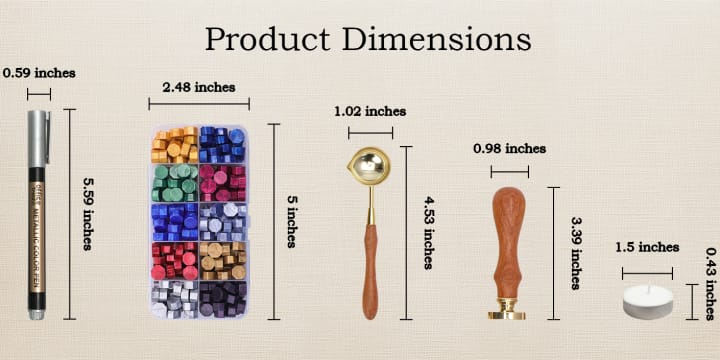
Beyond your chosen stamp, you'll need proper wax and basic tools. Sealing wax comes in various formulations, from traditional hard wax that requires flame melting to modern flexible wax that can be melted in glue guns. Beginners often find flexible wax easier to work with, though traditional wax creates more authentic-looking seals.
Melting methods range from traditional wax sticks melted over candle flames to modern electric melting spoons and glue gun systems. Each method has advantages: candle melting offers romantic ambiance but requires practice for consistent results, while electric tools provide better temperature control and safety.
Technique Development
Creating beautiful wax seals requires developing consistent technique. The key elements include achieving proper wax temperature, applying even pressure, and timing the release correctly.
Wax temperature affects both workability and final appearance. Too hot, and the wax flows too quickly, creating messy edges. Too cool, and the wax won't flow properly into design details. Experience teaches you to recognize the right consistency—fluid enough to spread smoothly but thick enough to hold sharp details.
Pressure application requires a gentle touch. Heavy pressure can cause wax to squeeze out excessively, while insufficient pressure may not capture fine details. Practice on scrap paper until you develop the right feel.
Timing matters significantly. Lifting the stamp too early leaves incomplete impressions, while waiting too long can cause the wax to stick to the stamp. Most seals require 30-60 seconds of cooling time, depending on wax type and ambient temperature.
Common Mistakes to Avoid
New wax seal enthusiasts often make predictable errors that can be easily avoided with proper guidance.
Using too much wax creates messy, oversized seals that look amateurish. Start with smaller amounts than you think you need—you can always add more.
Insufficient surface preparation leads to poor adhesion. Ensure your sealing surface is clean and dry before applying wax.
Rushing the process results in poor impressions. Take time to position everything correctly before pressing the stamp.
Ignoring practice opportunities means disappointing results on important projects. Always test your technique on practice materials before working on final pieces.
Advanced Applications and Techniques
Once you've mastered basic wax sealing, advanced techniques can elevate your results to professional levels.
Multi-Color Techniques
Combining different colored waxes creates stunning visual effects. Layering techniques involve applying one color as a base and adding accent colors for specific design elements. This approach works particularly well with heraldic designs where different elements traditionally appear in different colors.
Marbling effects blend multiple colors while the wax remains workable. This technique requires practice but produces unique, unrepeatable results that make each seal special.
Specialty Waxes
Metallic waxes add luxury and visual impact. Gold, silver, and copper waxes create elegant seals perfect for premium applications. These waxes typically cost more than standard colors but provide exceptional visual appeal.
Glitter-infused waxes offer sparkle and glamour perfect for celebration invitations. The key is using them judiciously—too much glitter can overwhelm the design details.
Flexible waxes allow sealed items to be mailed without cracking. Traditional hard wax often cracks during postal handling, while flexible formulations remain intact.
Professional Presentation
Protecting finished seals ensures they remain beautiful until recipients open them. Wax seals on envelope flaps can be protected with glassine covers or positioned to avoid postal machinery damage.
Photography considerations matter for seals intended for social media or portfolio documentation. Proper lighting emphasizes the three-dimensional qualities that make wax seals so appealing.
Caring for Your Wax Seal Stamps
Proper maintenance ensures your stamps provide years of reliable service and beautiful results.
Cleaning Techniques
Regular cleaning prevents wax buildup that can affect impression quality. Most stamps can be cleaned with warm water and gentle soap, though some materials require special care.
For stubborn wax residue, carefully warming the stamp slightly makes removal easier. Avoid harsh chemicals or abrasive materials that might damage engraved surfaces.
Storage Considerations
Protecting your stamp investment requires proper storage. Keep stamps in protective cases or wrapping to prevent damage to engraved surfaces. Avoid exposing stamps to extreme temperatures or humidity that might affect wooden handles or metal matrices.
Organization systems help if you collect multiple stamps. Clear labeling and protective storage make it easy to find the right stamp for each project.
Transform Your Correspondence Today
Wax seals offer a unique opportunity to slow down and add intentional beauty to your communications. Whether you choose a simple monogram for personal letters or an elaborate custom design for wedding invitations, the act of creating each seal becomes a meditative moment of craftsmanship.
The investment in quality equipment pays dividends in the joy of creation and the delight of recipients. A personalized wax seal stamp becomes a lasting tool for adding elegance to life's important moments.
Ready to begin your wax seal journey? Start by considering your primary use case and exploring design options that reflect your personal style. With practice and patience, you'll soon be creating beautiful, memorable seals that transform ordinary correspondence into treasured keepsakes.
About the Creator
TrailCam
I work in the internet industry and enjoy communicating through text, discussing fashion, IT, and sharing my feelings.
When Two Souls Finally Recognize Each Other
The Quiet Feeling of Recognition Have you ever met someone and felt an instant sense of familiarity, as if your heart already knew them? It’s not attraction. It’s not curiosity. It’s something deeper — recognition. The moment you realize that, somehow, this person has always been a part of your life, even though you’ve just met.
By Nenci Gajera about 23 hours ago in Marriage


Comments
There are no comments for this story
Be the first to respond and start the conversation.