
Threads of Fate
A Girl Without a Future, a Man Without a Past—United by One Act of Kindness
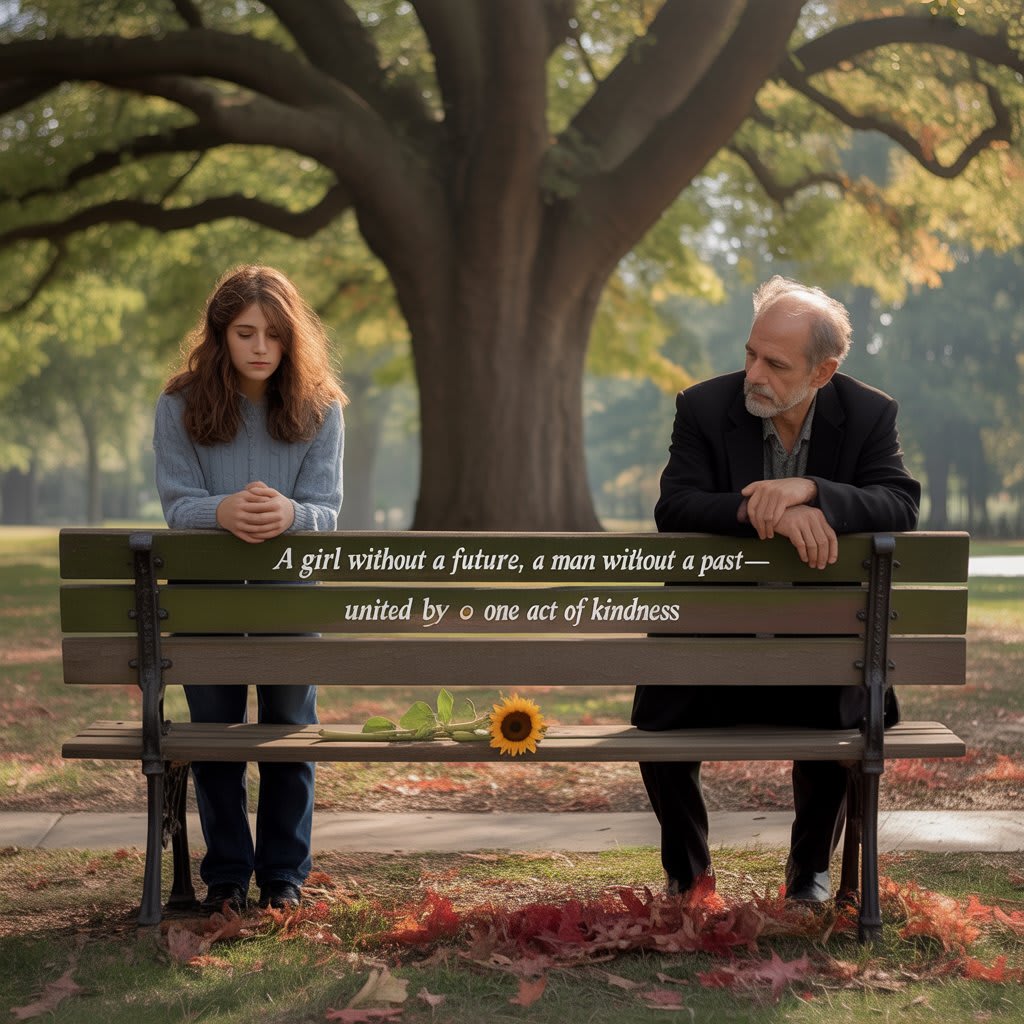
Today, a girl came to me seeking a job. She was a little over thirty years old and uneducated. She shared that her father was blind and her mother worked as a domestic helper to support the household. Previously, she used to make kites at home for a shopkeeper, which brought in some income. However, since kite flying has been banned, that work also came to an end. She was willing to take up any kind of job to help her family.
At my organization, there is a gardener named Majeed. He is about the same age as the girl. His parents passed away years ago, and he often complains that none of his relatives ever thought about getting him married. He feels alone and neglected.
I asked the girl to bring her parents so we could talk further. She gave me her mother’s phone number. I called, and within an hour, her blind father and mother arrived at my office.
I also called Majeed into the room and told the girl’s parents that we were seeking a marriage proposal for their daughter. I introduced Majeed to them and said, “This is Majeed. Take a look at him. He owns a small two-marla house.” The girl’s father hesitated and said, “We have nothing at all.” I reassured them, saying, “Don’t worry. Everything will be alright, God willing.”
I then turned to the girl and Majeed and asked them to consider each other. Majeed immediately said he had no objection. The girl remained silent. I asked her mother to take her to the next room and talk to her in private about her opinion. After a short while, the mother returned and said, “Send the boy’s family to our house.”
I explained to her, “He is an orphan and poor. You are now his family. If you say yes, we can arrange the marriage ceremony (nikah) right away and plan the wedding (rukhsati) for Friday.”
After thinking for a while, the mother said, “Brother, do what you think is best.” I immediately sent Majeed to bring the Imam of the local mosque. He returned shortly with the Imam, and within a few minutes, the nikah was solemnized.
In the marriage contract, Majeed mentioned a dower (haq meher) of seven thousand rupees and wrote one marla of his house in his wife’s name. That act of generosity brought a sense of dignity and commitment to the union.
At that very moment, we arranged for food. Everyone ate together in happiness. It was a heartwarming and unforgettable day of my life. Everyone at the office was overjoyed that Majeed had finally gotten married. This wasn’t just an act of kindness. It was a rare moment where fate, compassion, and humanity all came together. Two people who had no one found companionship. A girl who was struggling just to survive found a home and a life partner. A man who longed for a family and support finally found someone to call his own.I
n a world that often overlooks the poor and those without connections, this spontaneous and sincere union was a reminder that hope still lives, and dignity doesn’t always come from wealth or status—it can come from mutual respect, support, and the courage to say “yes” when life offers you a new beginning.
It was not just Majeed’s day; it was a day that inspired everyone around him to believe that kindness and care can change lives in an instant.
About the Creator
When Two Souls Finally Recognize Each Other
The Quiet Feeling of Recognition Have you ever met someone and felt an instant sense of familiarity, as if your heart already knew them? It’s not attraction. It’s not curiosity. It’s something deeper — recognition. The moment you realize that, somehow, this person has always been a part of your life, even though you’ve just met.
By Nenci Gajera about 20 hours ago in Marriage


Comments (1)
Nice story having great message