
The Psychology of Marriage
Emotional Bonds, Communication, and the Science Behind Lasting Relationships

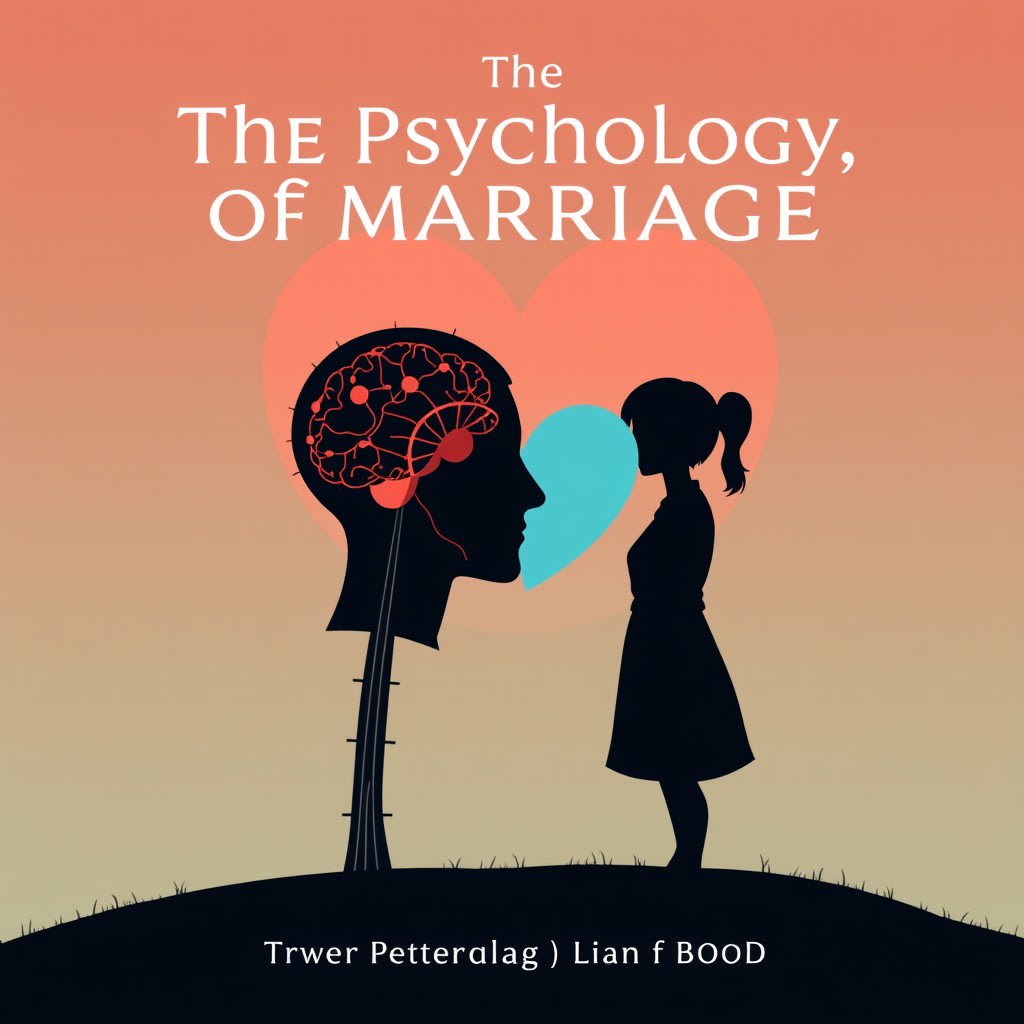
Marriage is one of the oldest and most enduring social institutions in human society. While cultural norms and traditions around marriage vary across the world, the underlying psychological dynamics often share common themes. From emotional bonding and communication to conflict resolution and long-term commitment, the psychology of marriage offers deep insights into what makes a relationship thrive—or fall apart. Understanding these psychological foundations can help individuals and couples build more resilient, satisfying partnerships.
Emotional Attachment and Bonding
At the heart of any marriage is emotional attachment. According to attachment theory, originally developed by John Bowlby, early childhood relationships with caregivers shape how individuals approach intimacy and connection in adulthood. People with secure attachment styles tend to build healthy, trusting relationships, while those with anxious or avoidant styles may struggle with closeness or conflict.
In marriage, emotional bonding is reinforced through shared experiences, empathy, and mutual support. Emotional intimacy—the ability to express feelings, thoughts, and vulnerabilities—deepens the connection between partners. When couples feel emotionally safe, they are more likely to sustain long-term affection and loyalty.
Communication: The Cornerstone of Marriage
Communication is perhaps the most critical psychological factor in marriage. It is not just about talking, but about understanding, listening, and responding with care. Healthy communication involves expressing needs and emotions clearly while also being receptive to your partner’s perspectives.
Research by psychologist Dr. John Gottman emphasizes the importance of what he calls the “Four Horsemen of the Apocalypse” in predicting divorce: criticism, contempt, defensiveness, and stonewalling. Successful couples avoid these destructive behaviors and instead practice active listening, validation, and compromise.
Regular, honest, and respectful communication builds trust and prevents misunderstandings from escalating into major conflicts. It also strengthens problem-solving skills, allowing couples to navigate challenges collaboratively.
Conflict and Resolution
All marriages face conflict. The difference between successful and struggling couples lies in how they handle disagreements. Psychological studies show that constructive conflict—discussing issues calmly, seeking solutions, and showing empathy—can actually strengthen a relationship.
Couples who avoid or suppress conflict often experience resentment and emotional distance. On the other hand, those who engage in positive conflict resolution strategies, such as “soft startups” (beginning a conversation gently) and “repair attempts” (efforts to de-escalate tension), are more likely to maintain satisfaction in their relationship.
Marriage therapy often focuses on teaching these conflict resolution skills, helping partners understand each other’s emotional needs and improve how they relate during times of stress.
Intimacy, Sexuality, and Connection
Intimacy in marriage goes beyond emotional closeness; it also includes physical and sexual connection. While sexual frequency may vary over time, what matters most is that both partners feel desired, respected, and connected.
Psychologically, sexual intimacy strengthens the bond between partners through the release of oxytocin, sometimes called the “love hormone.” However, mismatched expectations, lack of communication, or unresolved emotional issues can lead to dissatisfaction in this area.
Couples who prioritize emotional and physical intimacy as interconnected aspects of their relationship are more likely to report marital fulfillment.
Shared Goals and Growth
Another important psychological element in a strong marriage is the presence of shared values and long-term goals. Whether it’s raising a family, building a life together, or supporting each other’s ambitions, couples thrive when they feel like a team.
Moreover, personal growth within a marriage is crucial. When both partners encourage each other to pursue passions, take risks, and become better versions of themselves, the relationship becomes a source of strength rather than limitation.
This aspect ties closely to the concept of interdependence—a balanced relationship where both partners rely on each other without losing their individuality.
Commitment and Long-Term Satisfaction
Commitment is a psychological contract that goes beyond feelings—it involves a conscious decision to stay and invest in the relationship. Research shows that couples who view marriage as a lifelong partnership are more likely to work through difficulties and adapt over time.
Marital satisfaction tends to fluctuate, but long-term commitment helps couples weather inevitable changes, such as aging, career shifts, or parenting challenges. Trust, loyalty, and shared memories all contribute to the emotional stability that sustains commitment.
Conclusion
Marriage is not simply a legal or social arrangement—it is a complex emotional and psychological partnership. Through the lenses of attachment, communication, intimacy, and growth, psychology helps us understand why some marriages succeed while others falter. By cultivating emotional awareness, practicing healthy communication, and supporting each other’s development, couples can build meaningful, enduring relationships that enrich their lives and contribute to their well-being.
In an ever-changing world, the timeless principles of trust, empathy, and shared purpose remain the keys to lasting love.
Students (e.g., psychology, sociology, or relationship studies)
Newlyweds or engaged couples
Marriage counselors or therapists
General readers interested in relationships
Religious or cultural communities
High school learners (simplified version)
About the Creator
Keep reading
More stories from Zain Ul Abedin Khan and writers in Marriage and other communities.
The Technique of Marriage in Islam
Introduction Marriage in Islam holds a position of great significance, regarded not merely as a social or legal contract but as a sacred covenant between two individuals who commit to living together in harmony, love, and mutual respect. The Qur’an describes marriage as a sign of Allah’s mercy and a means to achieve tranquility and peace in life. The Prophet Muhammad (peace be upon him) said, “Marriage is my Sunnah, and whoever turns away from my Sunnah is not of me.”
By Zain Ul Abedin Khan10 months ago in Marriage
Mixing and Matching Gemstones with Diamonds: A Complete Styling Guide
Introduction Diamonds have always been admired for their brilliance and timeless beauty. But in recent years, many jewelry lovers have started experimenting with something more creative—pairing diamonds with colorful gemstones.
By GemOne Diamondabout 10 hours ago in Marriage


Comments
There are no comments for this story
Be the first to respond and start the conversation.