
The Chemistry of Condoms:
Structure, Types, and Chemical Components

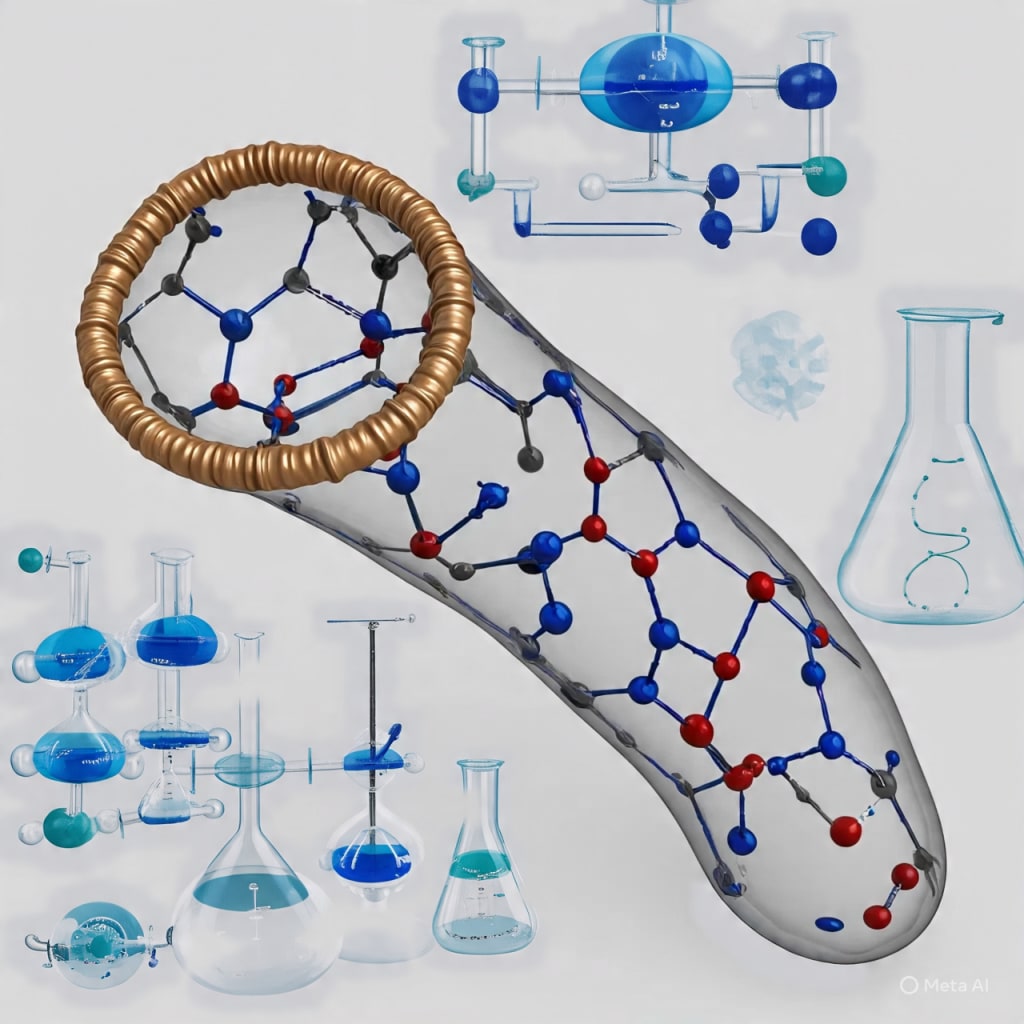
Condoms are one of the most widely used protective devices in the world, valued for their ability to prevent both unintended pregnancies and sexually transmitted infections (STIs). Beyond their everyday use, condoms are also a fascinating product of applied chemistry, combining polymers, lubricants, and in some cases, pharmaceutical agents to create a safe and effective barrier method. In this article, we will explore the chemistry behind condoms, their types, the materials used in their production, and the chemical additives that enhance their effectiveness.
Why Are Condoms Used?
The primary purpose of condoms is twofold:
• Contraception – Condoms provide a physical barrier that prevents sperm from entering the female reproductive tract, thereby reducing the likelihood of fertilization and pregnancy.
• Disease Prevention – Condoms are highly effective in reducing the transmission of sexually transmitted infections (STIs), including HIV (Human Immunodeficiency Virus), gonorrhea, syphilis, chlamydia, and trichomoniasis. They act as a protective shield, blocking pathogens carried in semen, vaginal secretions, or blood.
Because of these dual benefits, condoms are often considered one of the most essential and accessible tools in global public health.
Types of Condoms and Their Materials
Condoms are not all the same; they differ based on the materials used in their production. These materials are carefully chosen for their strength, elasticity, and biocompatibility.
1. Male Condoms
Male condoms are the most common type and are worn over the penis. The main materials used include:
• Latex (Natural Rubber):
Latex is derived from the sap of the rubber tree Hevea brasiliensis. Chemically, it is composed of cis-1,4-polyisoprene, a natural polymer that gives latex condoms their elasticity, durability, and thinness. Latex can stretch up to 800% of its original size without breaking, making it ideal for barrier protection.
However, some individuals experience latex allergy, leading to irritation, rashes, or swelling.
• Polyurethane:
Polyurethane is a synthetic plastic polymer. Unlike latex, it is thinner, odorless, and a better conductor of heat, which many users find enhances sensation. Chemically, polyurethane is formed through the reaction of diisocyanates and polyols, giving it strength but less flexibility compared to latex.
• Polyisoprene:
Polyisoprene is a synthetic form of the natural polymer found in latex but without the proteins responsible for allergic reactions. It offers elasticity similar to latex but is safer for individuals with latex sensitivity.
2. Female Condoms
Female condoms are inserted inside the vagina and act as an internal barrier. They are usually made of:
• Polyurethane – Stronger than latex and resistant to oil-based lubricants.
• Nitrile Rubber – A synthetic copolymer made from acrylonitrile and butadiene. Nitrile is highly durable, hypoallergenic, and widely used in medical gloves as well.
Both male and female condoms highlight how polymer chemistry plays a crucial role in designing protective devices that are safe, effective, and adaptable to human needs.
Do Condoms Kill Sperm?
Condoms primarily act as a physical barrier, preventing sperm from reaching the egg. However, some condoms are treated with spermicidal chemicals to provide an extra layer of protection.
• Nonoxynol-9:
This is a surfactant (surface-active agent) that damages the sperm cell membrane, immobilizing and killing sperm. By disrupting the lipid bilayer, Nonoxynol-9 ensures sperm cannot fertilize an egg.
However, excessive use can irritate vaginal tissues, increasing the risk of microtears and ironically making users more vulnerable to infections such as HIV.
Because of these concerns, the World Health Organization (WHO) in 2001 advised against routine use of Nonoxynol-9 as a primary spermicide. Today, most condoms rely on the barrier mechanism alone, though spermicidal versions are still available.
Lubricants in Condoms
Friction during intercourse can reduce comfort and increase the risk of condom breakage. To address this, condoms are often coated with lubricants, which reduce friction and improve the overall experience.
• Water-Based Lubricants:
Compatible with all condom types, these are made with compounds such as glycerin and propylene glycol. They are safe but may dry out over time.
• Silicone-Based Lubricants:
Longer-lasting and waterproof, silicone lubricants are made with compounds like dimethicone or cyclomethicone. They do not evaporate easily and provide a smooth, slippery texture.
• Oil-Based Lubricants:
These are not recommended for latex condoms because oils (such as petroleum jelly, baby oil, or mineral oil) weaken the polymer structure, increasing the risk of breakage.
Some condoms also include warming agents (capsaicin derivatives) or cooling agents (menthol) to enhance stimulation.
Special Condoms: Chemical Innovations
Modern condom design often integrates pharmaceutical chemistry to address specific sexual health concerns.
• Benzocaine or Lidocaine Condoms:
These condoms contain a mild anesthetic. Benzocaine (ethyl 4-aminobenzoate) and lidocaine (2-(diethylamino)-N-(2,6-dimethylphenyl)acetamide) work by temporarily numbing penile nerve endings, delaying climax, and helping individuals manage premature ejaculation.
• Erectogenic Condoms:
Some experimental designs include nitroglycerin gel or other vasodilators that increase blood flow to the penis, enhancing erection duration. Nitroglycerin works by releasing nitric oxide (NO), which relaxes smooth muscle in blood vessels, improving circulation.
These innovations show how condoms are not only a contraceptive tool but also a field of active biomedical research.
The Chemistry of Condom Manufacturing
The production of condoms combines polymer chemistry with industrial processing techniques:
• Dipping – Glass or metal molds shaped like a penis are dipped into liquid latex or polymer solution.
• Vulcanization – Latex condoms undergo vulcanization, a process involving sulfur cross-linking that strengthens the polymer and improves elasticity.
• Testing – Each condom is electronically tested for holes, and batches are subjected to water-leak and air-burst tests to ensure quality.
• Lubrication & Packaging – Finally, lubricants and additives are applied before the product is packaged in airtight foil wrappers.
This rigorous process ensures that condoms remain reliable and safe under real-world conditions.
Conclusion
Condoms are far more than just simple protective devices. They are the result of complex chemical engineering, involving polymers like latex, polyurethane, and nitrile, as well as chemical additives such as lubricants, spermicides, anesthetics, and vasodilators. Their design demonstrates how chemistry contributes to both public health and personal well-being.
By preventing unintended pregnancies and reducing the spread of infections, condoms have saved countless lives and continue to play a vital role in sexual health worldwide. Understanding the chemistry of condoms not only highlights their importance but also reminds us how science and innovation directly impact human health and safety.
About the Creator
Janalam
Start writing...Hey! I’m Jan Alam 😎✍️
I write all kinds of stories — sci-fi 🚀, romance 💖, or something totally weird and new!
Obsessed with pop culture 🎬🎶📚 and always busy creating something fresh ✨🔥
When Two Souls Finally Recognize Each Other
The Quiet Feeling of Recognition Have you ever met someone and felt an instant sense of familiarity, as if your heart already knew them? It’s not attraction. It’s not curiosity. It’s something deeper — recognition. The moment you realize that, somehow, this person has always been a part of your life, even though you’ve just met.
By Nenci Gajera 3 days ago in Marriage



Comments
There are no comments for this story
Be the first to respond and start the conversation.