
Strange History: Wedding Cake
It Wasn't Always A Tasty Dessert

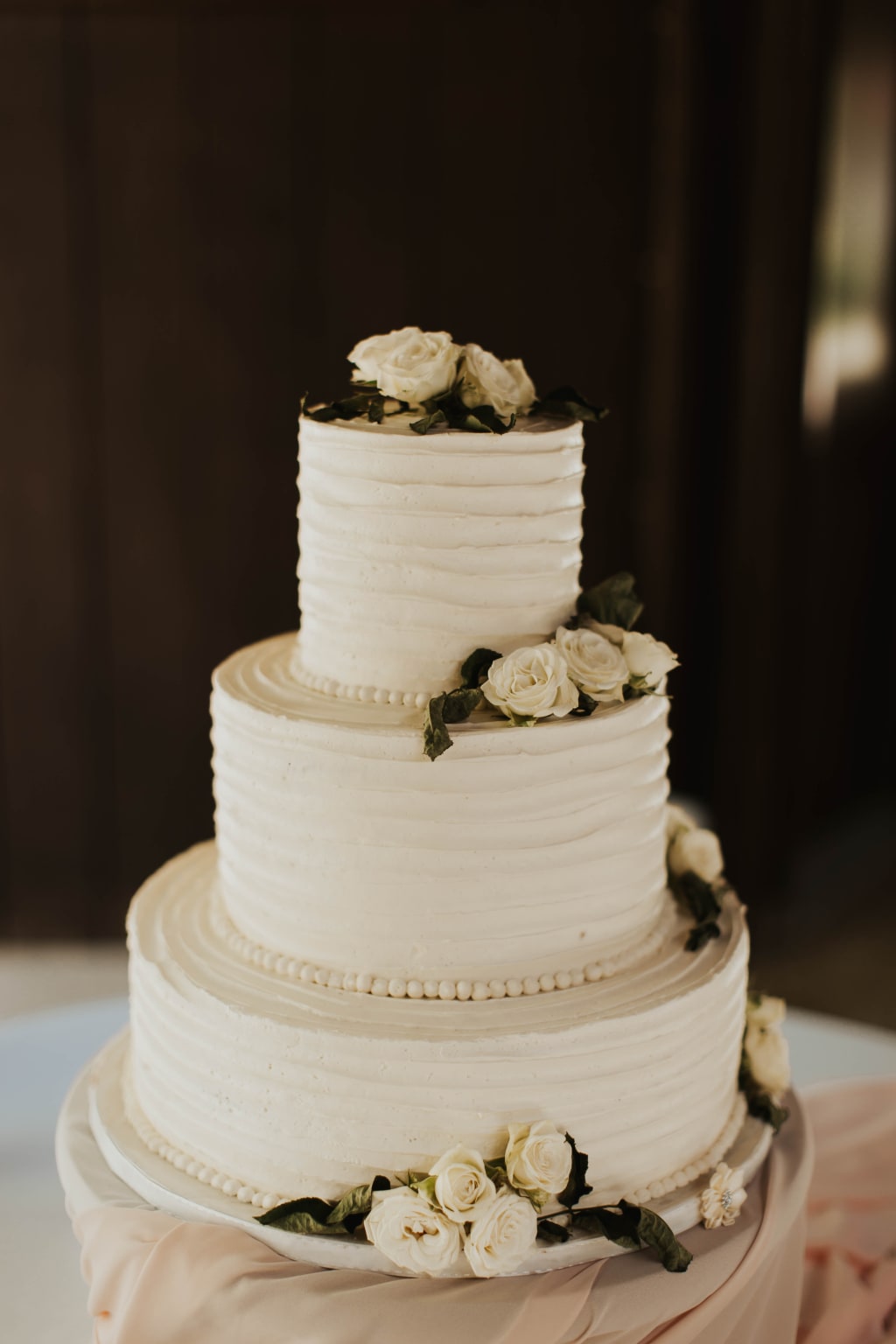
Today, modern wedding cakes are often adorned with handcrafted sugar roses, icing patterns that mimics the bride's dress, and a price tag marking it as one of the most expensive items on display. A gorgeous wedding cake is often the centerpiece and symbol of the wedding itself. Yet, it wasn't always a tasty dessert. Its origin has a less sugary and decorated beginning.
The Roman ritual of sealing the marriage wasn't complete until the groom smashed a scone-like wheat or barley cake over the bride's head. This was followed by the newly formed husband and wife eating a crumbs, as their first act as a married couple. Then, for good luck, the wedding guest would scoop up the leftover crumbs. The Brits took this bread-breaking tradition one step further, by throwing bread at the bride as a sign of fertility. This ritual later evolved into a stacked masterpiece of spiced scones and cookies. In the ultimate game for good fortune, the pastry tower was stacked as high as possible, and the couple had to kiss over it without it falling.
Yet, Bride's that was the first actually recorded recipe, specifically recorded for weddings before cake stole the spotlight. It was described as an elaborately decorated pie, but here's the twist: I filled with savory meats and spices. An assortment of lamb testicles, throat, oysters, nuts, and dried fruit. Declining a slice of this delicious treat wasn't a choice, as superstition led guests to believe that eating the pie ensured the couples a happy life. Plus, there was the bonus of the hidden ring inside. It was believed that whoever found this ring would be the next to marry: a charming incentive, for all the single ladies.
The predecessor to the modern wedding cake came after: Bride's Cake, or fruited cakes symbolizing fertility and prosperity. It was a much simpler cake the one that we know of today, consisting of two large rounds of shortcrust pastry sandwiched together with dried fruits, such as currants, and topped with a sprinkle of sugar. It gradually became the centerpiece to all weddings. This came with the tradition of the bride taking a bite, before throwing the rest over her head like a bouquet. By doing this, the wife and her new husband were ensured to get everything they wanted out of life. The husband would then toss the plate over his head. It was believed that if it broke, the couple was destined for a happy marriage.
Royal icing soon became the staple for wedding cakes. The whiter, the better. "Whiteness" not alluded to the bride's virginity, but also symbolized a family's wealth. The Victorian age brought about the bigger and more elaborated wedding cakes. Queen Elizabeth II's wedding cake was stated to weigh 500lbs. With bigger cake came a whole new set of traditions and superstitions, such as cake-cutting. The bride originally did this alone, to symbolize the loss of her virginity. Of course, when the cake tiers seemed to multiply and the guest count reached the hundreds, the tradition became a lot more complicated.
Brides needed more cake to share with guests, to appease the belief that sharing the cake would increase prosperity, fruitfulness, and to be blessed with children. The need for professional bakers came into play, when the belief that bad luck would befall the bride who made their own cake became wide spread.
About the Creator
Keep reading
More stories from writers in Marriage and other communities.
When Two Souls Finally Recognize Each Other
The Quiet Feeling of Recognition Have you ever met someone and felt an instant sense of familiarity, as if your heart already knew them? It’s not attraction. It’s not curiosity. It’s something deeper — recognition. The moment you realize that, somehow, this person has always been a part of your life, even though you’ve just met.
By Nenci Gajera 2 days ago in Marriage


Comments
There are no comments for this story
Be the first to respond and start the conversation.