
Marriages between heterosexual couples are the norm
Centre opposes recognition of same-sex marriages in Supreme Court
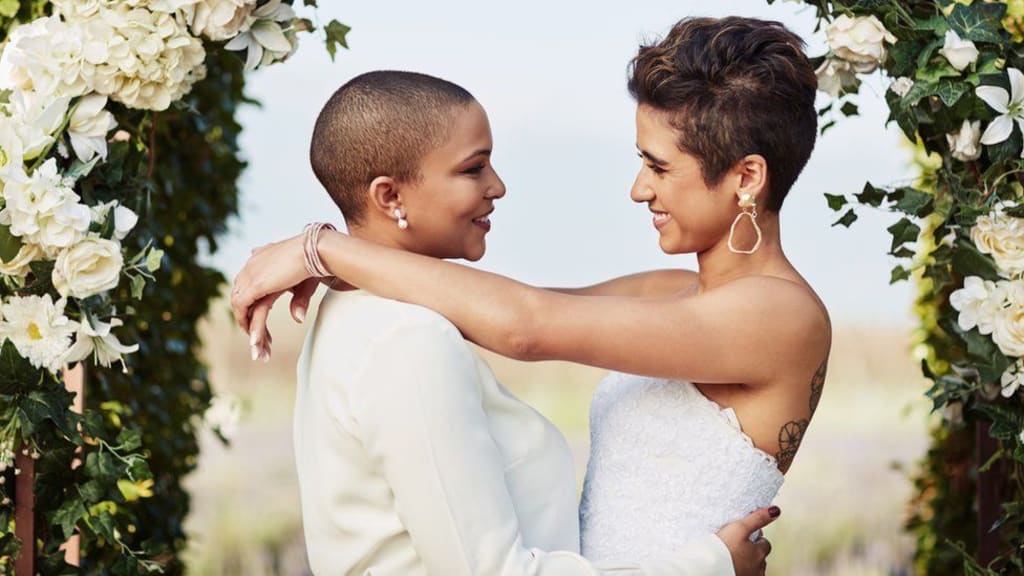
The Indian central government filed a counter-affidavit in the Supreme Court opposing a bunch of petitions seeking legal recognition for same-sex marriage. The government stated that the very idea and concept of marriage presupposes the union of opposite sexes, socially, culturally, and legally ingrained. The union of man and woman is recognized by all personal laws and statutory enactments related to marriage. The government argued that when provisions employ gender-specific language, courts cannot give them a different interpretation through an interpretative exercise. The government also said that same-sex relationships cannot be compared to the Indian family concept of a husband, wife, and children born out of the union.
The government argued that statutory recognition of marriage limited to heterosexual relationships is the norm throughout history and is foundational to the existence and continuity of the state. They believe that there is a compelling and legitimate state interest in recognizing only heterosexual marriages. The government stated that it is open for society to establish other forms of unions that are not unlawful, but it is up to them to decide what unions they consider fundamental to their existence.
According to the government, legal recognition of same-sex marriages will lead to complications in issues related to adoption, divorce, maintenance, and inheritance, as all statutory provisions related to these matters are based on a marriage between a man and a woman, and it is impossible to make these provisions workable in a same-sex marriage. The government argued that the non-recognition of same-sex marriage does not violate any fundamental rights under Part III of the constitution.
The government stated that there is no violation of the equality clause under Article 14 as the recognition of only heterosexual marriages is based on reasonable classification, and there is an intelligible differentiation that distinguishes those within the classification. The government argued that not recognizing homosexual marriages cannot be construed as discrimination under Article 15(1) as no other form of cohabitation enjoys the same status as heterosexual live-in relationships.
The government further argued that there can be no fundamental right to recognition of a particular form of social relationship, and while citizens have the right to association under Article 19, there is no concomitant right that such associations must necessarily be granted legal recognition by the state. The right to life and liberty under Article 21 cannot be read to include any implicit approval of same-sex marriage.
A batch of petitions challenges the provisions of the Hindu Marriage Act, Foreign Marriage Act, and Special Marriage Act to the extent that they do not recognize same-sex marriages. In January, a bench led by CJI DY Chandrachud transferred to the Supreme Court the petitions pending in the High Courts on this issue.
LGBT activists say that while 2018 ruling affirmed their constitutional rights, they are still deprived of legal backing for same-sex marriages, a basic right enjoyed by heterosexual married couples.
In three Supreme Court filings seen by Reuters, the couples say that without legal recognition of being married, they are denied rights such as those linked to medical consent, pensions, adoption or even simpler things like club memberships for couples.
Lawyers and a court document confirmed a fourth petition along similar lines was also filed in the court.
"We can't do so many things in the process of living together and building a life together," said one of the litigants, businessman Uday Raj Anand, who wants to marry his partner Parth Mehrotra, chief editor of India's Juggernaut Books.
Another couple, Supriyo Chakraborty and Abhay Dang, say in their submission that they held a two-day commitment ceremony last year like any other "Big Fat Indian wedding", but once the euphoria faded, they realised they could not take health insurance as couples or nominate each other in life insurance policies.
Thank you for reading news.
About the Creator
The Last Words My Mother Whispered That Destroyed My Entire Marriage
The Last Words My Mother Whispered That Destroyed My Entire Marriage I still remember the smell of antiseptic in the hospital room. It clung to the air, sharp and unforgiving, as if even the walls understood that something was ending.
By imtiazalam6 days ago in Marriage
Who is your "Person"?
It's important to recognize that you cannot go through life as easily on your own. My name is Elizabeth and I'm a survivor of child abuse and horrific trauma. Healing from trauma is not a quick fix and recognizing that it will take time, is part of the struggle.
By Elizabeth Woods5 days ago in Psyche


Comments
There are no comments for this story
Be the first to respond and start the conversation.