
A Green Glow of Grace: Exploring the Hariyali Teej Festival in India
Celebrating Womanhood, Nature, and Tradition Through the Vibrant Colors of Hariyali Teej

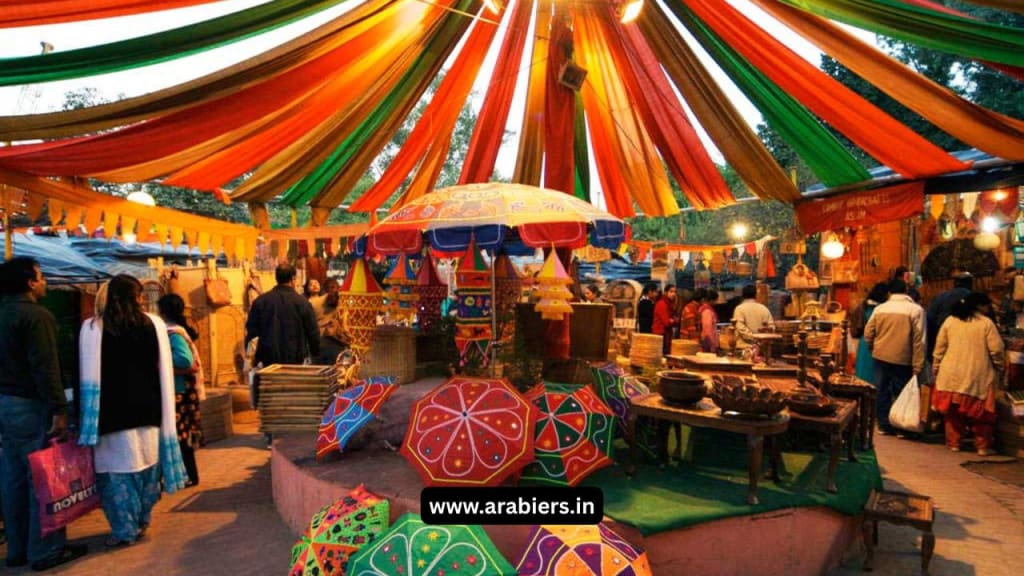
India is a land of vibrant festivals, but few match the grace, symbolism, and spirit of Hariyali Teej. Celebrated with unmatched joy by women, especially in northern India, this festival honors love, fertility, nature, and the sacred bond between Lord Shiva and Goddess Parvati. Dressed in green, adorned with bangles and mehendi, women celebrate Teej as a prayer for marital bliss and a prosperous life.
The Cultural Roots of Hariyali Teej
Rooted in deep mythology, Hariyali Teej marks the reunion of Lord Shiva and Goddess Parvati after years of penance and devotion. According to legend, Parvati fasted and prayed for 108 lives before Shiva accepted her as his wife. Hence, this day celebrates unwavering love, devotion, and feminine strength.
When and Where is Hariyali Teej Celebrated?
Falling on the third day of the Shukla Paksha in the month of Shravan (July-August), Hariyali Teej coincides with the onset of the monsoon. The festival is celebrated most joyously in Rajasthan, Uttar Pradesh, Bihar, Haryana, and Delhi, where temples, homes, and community spaces come alive with music, dance, and ritual.
Symbolism of Green in Hariyali Teej
Green isn’t just a color—it’s a mood. It symbolizes new life, nature, fertility, and harmony. Women wear green sarees and salwar suits, adorn themselves with green bangles, apply mehendi (henna), and accessorize with floral jewelry. The green palette reflects the lushness of the monsoon and the inner vibrance of womanhood.
Rituals and Traditions of the Day
Women wake up early, bathe, and prepare for nirjala vrat—a strict fast without water. They worship Goddess Parvati with flowers, sweets, and prayers for the well-being of their husbands and families. Community gatherings are filled with swing rituals, folk songs, and storytelling of the Teej katha, highlighting the divine love of Shiva-Parvati.
Teej Delights: Food and Feasts
While fasting is central to Teej, once it ends, the festive table is a spread of mouth-watering sweets and snacks. Traditional delicacies like ghewar, malpua, kheer, and poori-aloo sabzi are savored with family and friends, adding sweetness to the sacred day.
Celebrations in Urban India
Cities have embraced Teej with open arms, blending ancient rituals with modern flair. From temple events to Teej-themed exhibitions, metro cities like Delhi, Jaipur, and Lucknow host vibrant celebrations, giving space for cultural expression and community bonding.
A Colorful Celebration at Dilli Haat, Pitampura
The Teej Festival at Dilli Haat Pitampura was a stunning showcase of culture and tradition in 2025. With colorful canopies, mehendi stalls, folk dances, and craft exhibitions, the event captured the essence of womanhood and regional art. Traditional Rajasthani and Haryanvi music added soul to the celebration, bringing together women of all ages in joy, prayer, and dance. It was more than a festival—it was a revival of heritage in the heart of the city.
Teej for Married and Unmarried Women
For married women, Teej is a day of devotion and blessings for a long, prosperous married life. For unmarried girls, it's a celebration of hope, love, and a wish for an ideal life partner. It’s a festival that uplifts women at every stage of life.
Mehendi – An Icon of the Festival
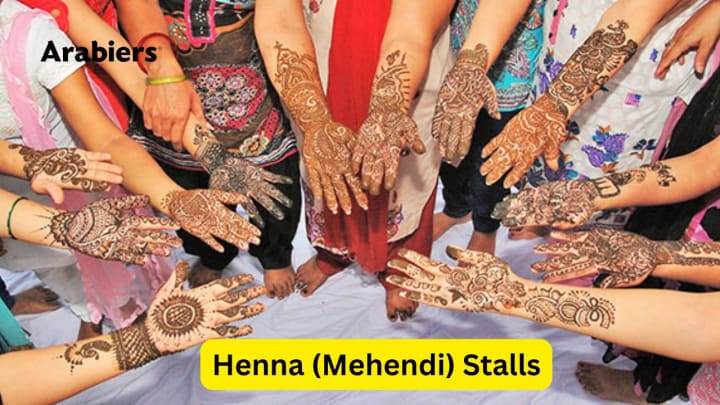
One cannot imagine Teej without mehendi. The ritual of applying intricate henna designs is not just decorative—it is symbolic of love and good fortune. Women gather the evening before to adorn their hands with artistic patterns, often hiding their husbands' names within.
Songs, Swings, and Sisterhood
Women gather under trees or decorated areas to sing traditional Teej songs that are passed through generations. Swings are decorated with flowers, and girls take turns swinging while singing, laughing, and bonding. The spirit of sisterhood is deeply embedded in this tradition.
Eco-Friendly Celebrations
In recent years, communities have taken steps to make Teej eco-friendly. From biodegradable decorations to avoiding plastic items, many households and local groups are choosing sustainable ways to celebrate while preserving nature—aligning perfectly with the monsoon mood of the festival.
How Hariyali Teej Strengthens Bonds
The beauty of this festival lies not just in its rituals but in the bonds it nurtures. Whether it’s the bond between a wife and husband, a mother and daughter, or between women of a community—it’s a celebration of relationships, support, and emotional unity.
The Festival’s Growing Global Presence
Indian communities abroad have started celebrating Teej with great enthusiasm. From the US to the UK and UAE, diaspora groups organize events that include kirtans, cultural shows, and mehendi sessions—keeping the tradition alive across oceans.
Conclusion
Hariyali Teej is more than a religious occasion—it's a powerful blend of tradition, beauty, and emotion. With green as its emblem and womanhood as its soul, the festival connects the divine to the everyday. Whether celebrated in a village swing courtyard or in a bustling venue like Dilli Haat, its message remains timeless: honoring nature, love, and feminine strength.
About the Creator
Arabiersindia
Based in New Delhi, India, we specialise in crafting tailor-made Dubai holidays, offering seamless tourist visa services and exceptional travel packages for Indian travellers. From the vibrant cities .
Keep reading
More stories from Arabiersindia and writers in Marriage and other communities.
places to visit in srilanka
Sri Lanka, a tropical island in the Indian Ocean, is rich in history, culture, and natural beauty. The country is famous for its golden beaches, lush rainforests, tea plantations, and ancient temples. With so many unique places to explore, Sri Lanka offers an experience for every type of traveler, whether you’re looking for adventure, history, or relaxation.
By Arabiersindiaabout a year ago in Marriage
Three-Stone Diamond Rings Meet Diamond Pendants: A Layering Guide
Jewelry has a way of telling a story, and few pieces do it as beautifully as a three-stone diamond ring. While many people think rings and pendants must match perfectly, layering them thoughtfully can create a look that’s elegant, meaningful, and personal. In this guide, I’ll share how to pair a diamond pendant with a three-stone ring while keeping balance, style, and symbolism in mind
By GemOne Diamond2 days ago in Marriage
Microsoft's Purposeful Marketing Deception About AI's Ability To Beat Physicians In Diagnosis
When you look at the world of scientific research... If you are not careful... You will be fooled into believing things that are not actually supported by the data.
By Dr. Cody Dakota Wooten, DFM, DHM, DAS (hc)a day ago in Longevity




Comments
There are no comments for this story
Be the first to respond and start the conversation.