
8 Things That Are Often Overrated in Relationships
8 Things That Are Often Overrated in Relationships

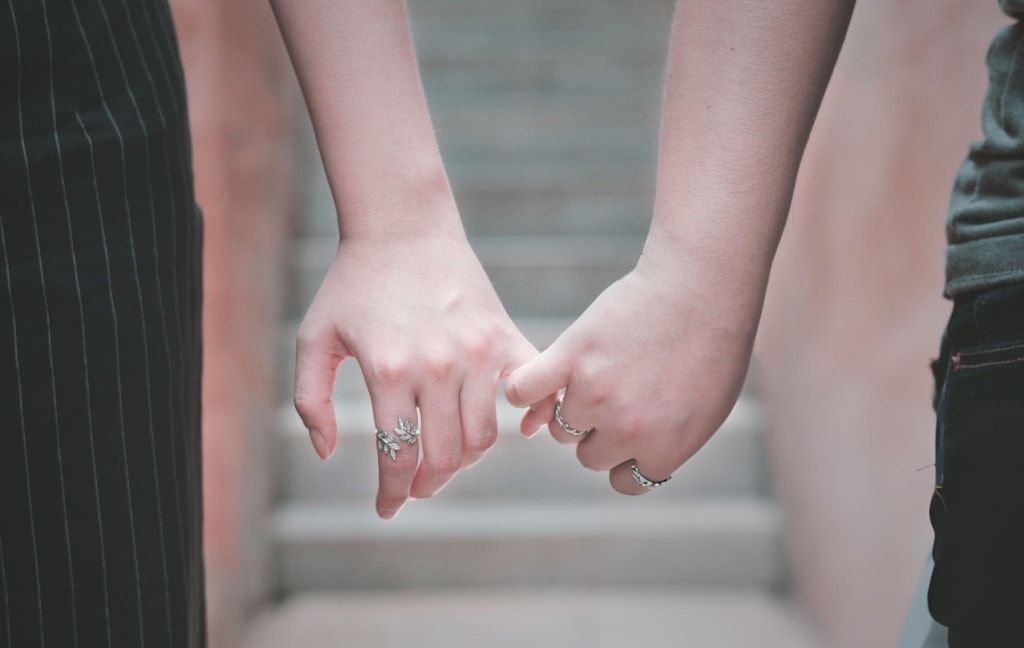
In relationships, it’s easy to fall into the trap of believing certain things are essential for success, when in reality, they may be overrated. Here’s a look at eight commonly overrated elements that often receive more attention than they deserve.
1. Constant Communication
While communication is key to a healthy relationship, constant communication can be overrated. Some believe that couples should always be in touch or share everything, but too much can blur the lines between individuality and togetherness. Quality of communication matters far more than quantity. It’s okay to have space, pursue separate interests, and allow each other to breathe.
Movies and books often romanticize extravagant gestures as the ultimate expression of love. However, in real life, love is more about consistency and small, meaningful actions. Grand gestures, while exciting, don’t guarantee a lasting bond. Genuine love is often found in everyday moments—making each other coffee, showing support during tough times, or simply listening.
3. Perfect Compatibility
Many believe that finding someone who shares all their interests and preferences will lead to a perfect relationship. However, the idea of perfect compatibility is overrated. Disagreements and differences are natural and can even be enriching. Growth often comes from embracing each other’s uniqueness rather than constantly searching for harmony in every aspect of life.
4. Passion That Never Fades
Some people chase the idea that passion should remain as intense as it was in the beginning. While passion is important, expecting it to remain constant is unrealistic. Relationships evolve, and passion may ebb and flow over time. What really matters is deep emotional connection and mutual respect, which sustain the relationship through changing dynamics.
5. Social Media Validation
In today’s digital age, some couples are more focused on how their relationship looks online rather than nurturing it in real life. The number of likes or comments on social media doesn’t reflect the true health of a relationship. Seeking validation from others can become a distraction from the genuine effort and connection required to build a strong partnership.
6. Expensive Gifts
Many people equate love with lavish gifts, but material possessions do not define a relationship’s worth. While gifts can be a nice way to show appreciation, they are not the foundation of a meaningful relationship. Acts of kindness, understanding, and support hold far more value than any material object.
7. Never Fighting
Some people believe that a “perfect” relationship is one where couples never argue. This idea is overrated. Healthy disagreements are a normal part of any relationship. The key is to communicate constructively and resolve conflicts with respect. Avoiding confrontation or pretending everything is fine can lead to suppressed emotions and long-term resentment.
8. Physical Attraction as the Main Priority
Physical attraction is an important aspect of a relationship, but it shouldn’t be the main priority. Overemphasizing looks can lead to shallow connections. Relationships that thrive in the long term are built on emotional intimacy, trust, and shared values. Beauty fades, but genuine emotional bonds tend to deepen with time.
Conclusion
While it’s easy to get caught up in certain ideals about relationships, it’s crucial to recognize that some things are overrated. Constant communication, grand gestures, and perfect compatibility may seem important, but they’re not the core of a healthy partnership. True, lasting relationships are built on mutual respect, understanding, and emotional connection—elements that go beyond surface-level expectations.
About the Creator
LOVE NEST
Welcome to LOVE NEST, your ultimate destination for insightful advice, heartwarming stories, and practical tips on building and maintaining healthy relationships.learn more..
Mixing and Matching Gemstones with Diamonds: A Complete Styling Guide
Introduction Diamonds have always been admired for their brilliance and timeless beauty. But in recent years, many jewelry lovers have started experimenting with something more creative—pairing diamonds with colorful gemstones.
By GemOne Diamondabout 5 hours ago in Marriage



Comments
There are no comments for this story
Be the first to respond and start the conversation.