
Wired for Resilience: How the Brain Adapts to Mental Stress
"Exploring how our brain rewires itself to manage adversity—and how we can strengthen that process through conscious habits."
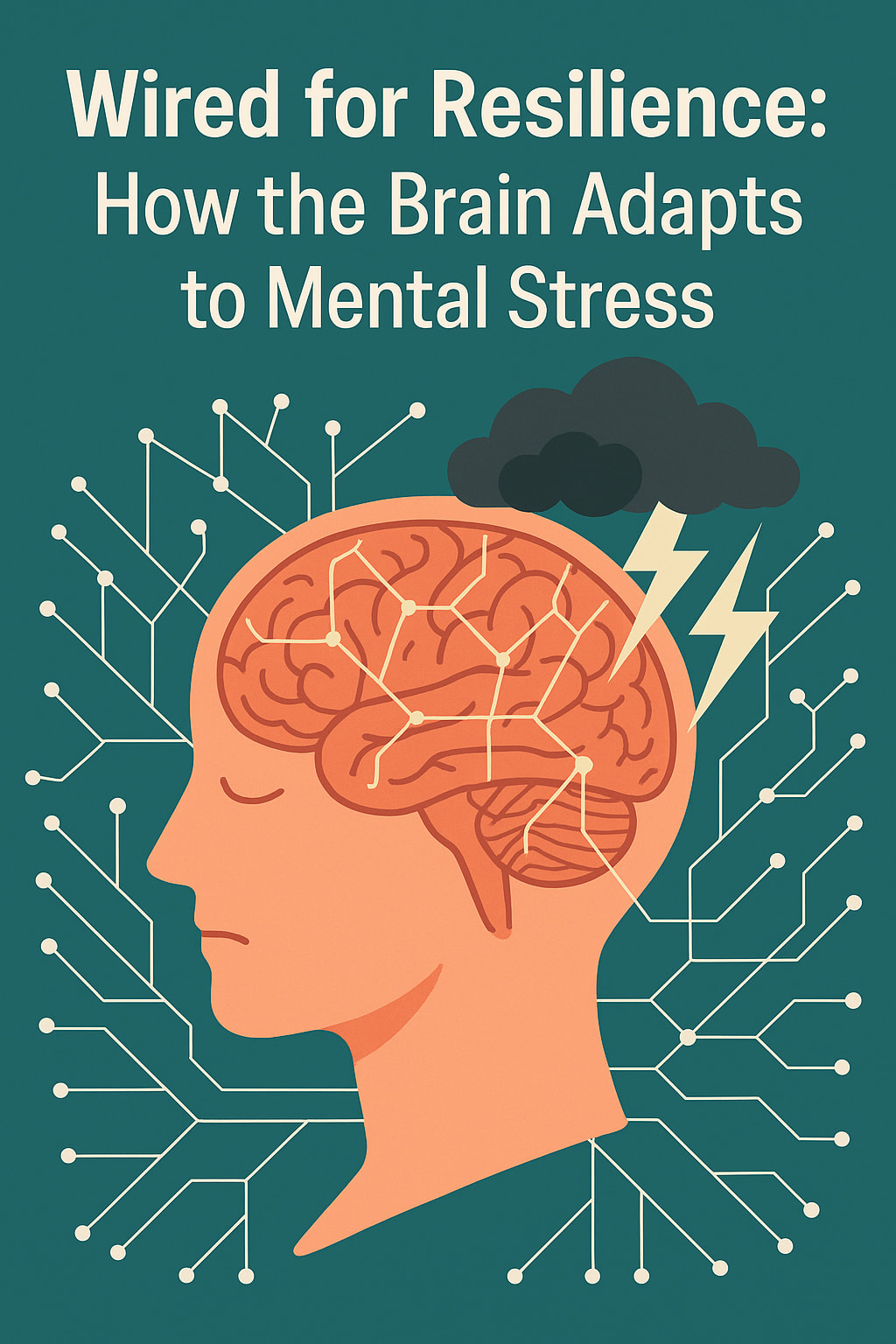
In today’s fast-paced world, stress is a constant companion. From workplace pressure to personal challenges, we are continually navigating a web of emotional demands. Yet, despite the toll stress can take, humans possess a remarkable capacity to adapt. This ability—resilience—isn’t just a trait we’re born with; it's a skill shaped by our brain’s intricate wiring and response systems. Understanding how the brain adapts to mental stress reveals not only the science behind resilience but also practical ways we can strengthen it.
The Stress Response: A Double-Edged Sword
Stress, in its essence, is not inherently harmful. It’s a biological response that has helped humans survive for millennia. When faced with a threat, the brain triggers the release of hormones such as cortisol and adrenaline. These chemicals prime the body for action, sharpening focus and boosting energy—commonly known as the "fight or flight" response.
However, chronic stress—when this system is activated repeatedly or remains on high alert—can be damaging. Prolonged exposure to stress hormones can impair memory, weaken the immune system, and increase the risk of anxiety and depression. Yet not everyone succumbs to these effects. Some individuals emerge stronger, even after prolonged adversity. What sets them apart?
Neuroplasticity: The Brain’s Secret Weapon
At the heart of resilience is a concept known as neuroplasticity—the brain’s ability to reorganize and form new neural connections throughout life. This adaptability means that the brain isn’t a static organ, but a dynamic system constantly learning and evolving in response to experiences.
When we face stress, specific brain regions are activated, particularly the amygdala, hippocampus, and prefrontal cortex. The amygdala processes emotional responses and fear; the hippocampus is involved in memory; and the prefrontal cortex governs decision-making and self-regulation.
In resilient individuals, the prefrontal cortex has a stronger regulatory role over the amygdala. This means they’re better at controlling emotional reactions, assessing situations calmly, and making thoughtful decisions under pressure. Over time, with repeated positive coping experiences, this neural pathway is reinforced—building what researchers call emotional regulation circuits.
The Role of Mindfulness and Cognitive Training
Resilience isn’t just a matter of genetics or early life experiences. It can be actively cultivated. Practices like mindfulness meditation, cognitive behavioral therapy (CBT), and gratitude journaling have been shown to enhance brain function and resilience.
Mindfulness, for instance, strengthens the connection between the prefrontal cortex and the amygdala. Regular mindfulness practice can reduce stress hormone levels, increase gray matter density in regions associated with self-awareness, and improve emotional control. Likewise, CBT helps individuals reframe negative thought patterns, teaching the brain to respond more flexibly to stressors.
Social Connections and Oxytocin
Humans are inherently social creatures, and social bonds play a powerful role in buffering stress. Positive relationships stimulate the release of oxytocin, often called the “love hormone,” which counteracts cortisol and promotes feelings of safety and trust.
Studies show that individuals with strong social support systems not only report lower stress levels but also exhibit different brain activity under pressure. Their stress responses are modulated, allowing for quicker recovery and greater emotional resilience.
Sleep, Exercise, and Nutrition: The Physical Foundation
Brain resilience is also deeply connected to physical health. Quality sleep is essential for memory consolidation and emotional processing. During sleep, the brain clears out toxins and resets neural circuits.
Physical exercise increases blood flow to the brain, promotes the growth of new neurons (especially in the hippocampus), and boosts mood-enhancing neurotransmitters like serotonin and dopamine. A balanced diet rich in omega-3 fatty acids, antioxidants, and vitamins supports brain function and reduces inflammation, which can exacerbate stress.
Building a Resilient Brain: A Lifelong Process
Resilience is not about avoiding stress but learning to engage with it in ways that allow for growth and adaptation. The brain, with its incredible capacity for change, gives us the tools to do just that.
Every challenge we face, every strategy we employ, and every moment of self-awareness we cultivate contributes to our brain’s resilience. Whether it’s through therapy, meditation, exercise, or simply reaching out to a friend, each positive action strengthens the neural foundations of a more adaptable, capable mind.
In the end, resilience is not a fixed trait but a neural skill—one we are all wired to develop.
About the Creator
kritsanaphon
"A storyteller who dives deep into news, technology, and global cultures, sharing fresh perspectives you might never have seen before. Enjoy easy-to-read, insightful content with me in every article!"
Keep reading
More stories from kritsanaphon and writers in Longevity and other communities.
The Art of Slowing Down: Finding Happiness in Rest and Relaxation
The Art of Slowing Down: Finding Happiness in Rest and Relaxation In a world that glorifies busyness, slowing down feels almost rebellious. We wear exhaustion like a badge of honor, equating productivity with worth, and hustle with success. But as stress, anxiety, and burnout rise globally, many are beginning to ask a simple but profound question: What if happiness doesn’t live in constant striving—but in stillness?
By kritsanaphon9 months ago in Longevity
The Power of Shadow Work in Trauma-Informed Growth
Shadow work invites us to face the parts of ourselves we learned to hide. These parts often formed in response to pain, rejection, or fear. When we approach shadow work through a trauma-informed lens, we move from self-judgment to compassion. Instead of asking, “What is wrong with me?” we begin to ask, “What happened to me, and how did I survive?”
By Jose Morrisa day ago in Longevity



Comments (1)
Stress is a double-edged sword. Understanding neuroplasticity helps explain why some bounce back.