
What is the best treatment of infertility?
Get Pregnant Naturally

The most popular ART method is in vitro fertilisation (IVF). In vitro fertilisation (IVF) entails triggering and removing many mature eggs, fertilising them with sperm in a dish in a lab, and implanting the embryos in the uterus a few days later.
Diagnosis:
Your doctor or fertility clinic strives to understand your sexual habits prior to performing infertility testing, and they may offer suggestions to increase your chances of becoming pregnant. Sometimes there is no clear cause for infertility in a couple (unexplained infertility).
The cost of an infertility evaluation might be high, and it occasionally entails painful procedures. The expense of fertility therapy may not be covered by all health insurance plans. Finally, even after all the testing and counselling, there is no assurance that you will become pregnant.
Women's Tests:
Women's fertility depends on their ovaries producing healthy eggs. In order to be fertilised, an egg must be able to travel through the reproductive tract and into the fallopian tubes. The fertilised egg needs to get there in order to implant in the uterine lining. Finding out if any of these systems are compromised is the goal of tests for female infertility.
Testing for ovulation. Using a blood test, you can find out if you're ovulating by checking your hormone levels.
Hysterosalpingography. The procedure known as hysterosalpingography (his-tur-o-sal-ping-GOG-ruh-fee) assesses the health of your fallopian tubes and uterus and searches for any blockages or other issues. Your uterus is given an injection of X-ray contrast material, and an X-ray is then taken to assess if the cavity is normal and to check for any fluid leakage from your fallopian tubes.
Testing for ovarian reserve. The amount of eggs that are available for ovulation is determined with the use of this testing. Hormone testing is frequently the first step in this strategy early in the menstrual cycle.
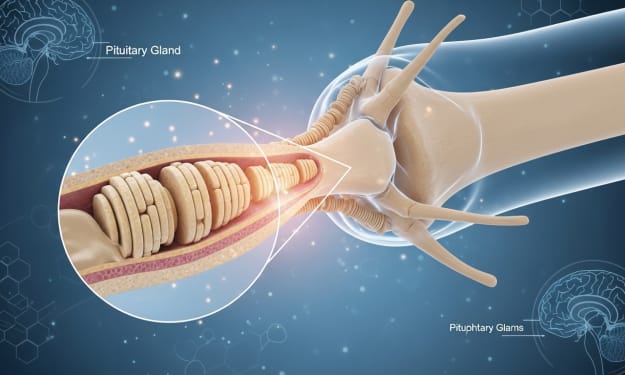
Further hormone tests. The levels of ovulatory hormones and pituitary hormones, which regulate reproductive processes, are measured by further hormone testing.
Imaging exams An ultrasound of the pelvis looks for ovarian or uterine conditions. A sonohysterogram, also known as a saline infusion ultrasonography, can occasionally be used to view uterine features that are not visible on a standard ultrasound.
Men's tests
It is necessary for male fertility that the testicles create an adequate number of healthy sperm and that the sperm is efficiently ejaculated into the vagina and goes to the egg. Male infertility tests look to see if any of these functions are compromised.
A general physical checkup that includes a genital examination may be performed on you. Particular fertility testing could consist of:
Semen examination. One or more samples of semen may be requested by your doctor. In general, ejaculating your semen into a clean container while interrupting a sexual act is how you obtain semen. Your sample of semen is examined in a lab. Testing for sperm in urine is a possibility in certain circumstances.
Hormone evaluation. To check your levels of testosterone and other male hormones, you could have a blood test.
Genetic analysis To ascertain whether a genetic abnormality is the root of infertility, genetic testing may be performed.
Prostate biopsy. A testicular biopsy may be done in some circumstances to find anomalies causing infertility or to get sperm for assisted reproductive methods like IVF.
Imaging. Imaging tests such a brain MRI, transrectal or scrotal ultrasound, or a test of the vas deferens (vasography) may be carried out under specific circumstances.
Further specialised tests. Other sperm quality tests, such as checking a sample of semen for DNA abnormalities, may be carried out in exceptional circumstances.
Not everyone needs to undergo all of these tests, or even many of them, in order to identify the cause of infertility. Which tests you will have and when will be decided upon by you and your doctor.
About the Creator
Keep reading
More stories from Rakesh Kumar Singh and writers in Longevity and other communities.
The Buyer's Guide to the World
The 100% natural weight loss solution Have you been working out regularly for a while? Keeping up your healthy diet by eating salads with a few vegetables and nuts? Do you still envision yourself with a lot of belly fat? This is due to the fact that belly fat is one of your body's most stubborn fats, and losing it and getting in shape with a slim waistline requires a lot of effort.
By Rakesh Kumar Singh3 years ago in Longevity
Top tipple tricks
Been thinking a lot about drinking, lately. Not least because of a recent episode of over-indulgence and the inevitable after effects. Some readers may recall the earlier articles I wrote about beating the booze. Here I set out an experiment in techniques for cutting down on my alcohol intake. The experiment was successful, the techniques worked, and I have armed myself with an arsenal of weapons in the war against the demon drink. I have yet to fire the first round however. It's all a question of timing (perhaps procrastination).
By Raymond G. Taylor4 days ago in Psyche



Comments
There are no comments for this story
Be the first to respond and start the conversation.