
What Happens to Your Body
When You Stop Eating Breakfast for 30 Days?

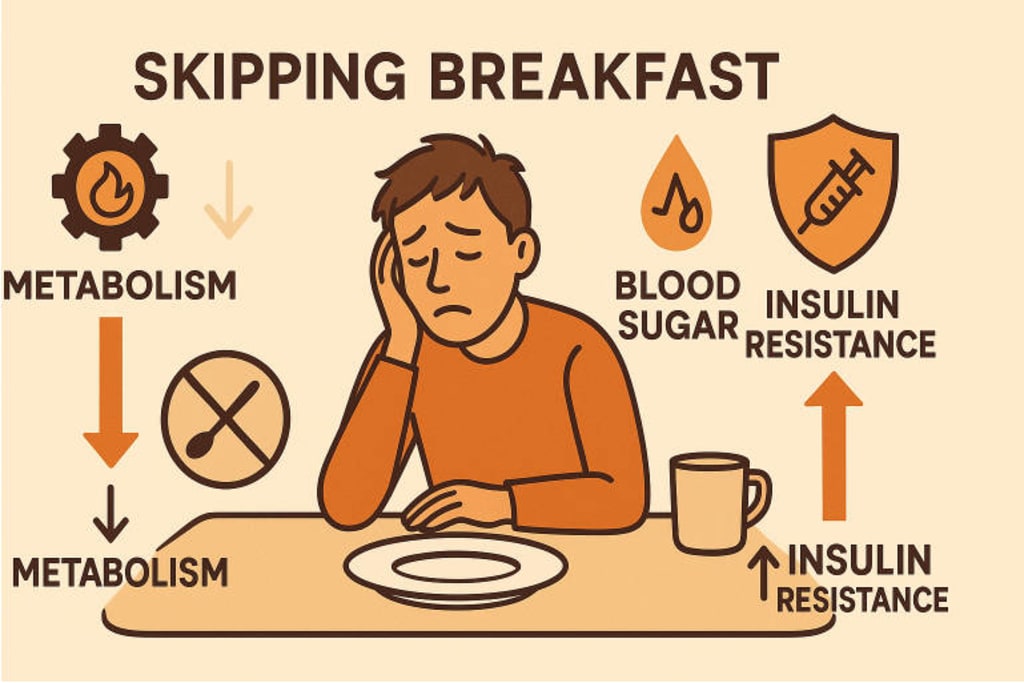
Breakfast has long been considered the most important meal of the day, but what happens if you stop eating it for 30 days? I find this question quite interesting since many people (including myself sometimes) skip breakfast for various reasons.
Impact on Metabolism
Skipping breakfast appears to significantly affect your body's metabolic processes. Breakfast is meant to kickstart your metabolism after a night of fasting. Without this meal, your body may remain in a prolonged fasting state.
A study published in the American Journal of Clinical Nutrition found that skipping breakfast can lead to a reduction in resting metabolic rate (RMR). The research observed that people who ate breakfast had higher RMRs compared to those who skipped it. Lower metabolic rates can decrease energy expenditure, potentially contributing to weight gain over time.
Additionally, skipping breakfast affects blood sugar levels. A study in the Journal of Nutrition showed that individuals who skipped breakfast had higher blood sugar levels after subsequent meals compared to regular breakfast eaters. This pattern can lead to insulin resistance over time, increasing the risk of type 2 diabetes.
Hormonal Changes
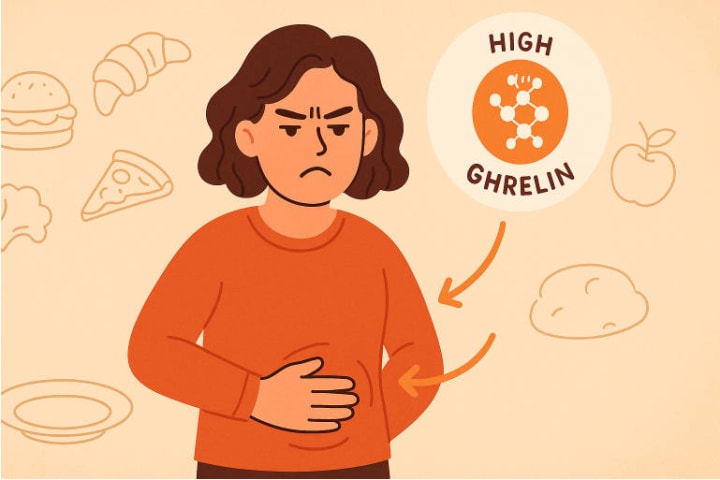
Breakfast consumption influences several hormones that regulate hunger and satiety. Ghrelin, the hunger hormone, is typically suppressed after eating. When you skip breakfast, ghrelin levels remain elevated, which may lead to increased hunger and potential overeating later in the day.
Cortisol, a stress hormone, is naturally higher in the morning to help wake you up. Eating breakfast can help lower cortisol levels. Skipping breakfast might keep cortisol levels elevated, which is associated with increased stress and anxiety.
Psychological Effects
Skipping breakfast has notable effects on cognitive function. Breakfast provides glucose, essential for brain function. Multiple studies have shown that eating breakfast is linked to improved memory, attention, and overall cognitive performance.
A review in Frontiers in Human Neuroscience indicated that breakfast consumption can enhance memory and concentration in both children and adults. Conversely, skipping breakfast was associated with poorer cognitive performance, particularly in tasks requiring attention and memory.
Mood can also be influenced by eating habits. Skipping breakfast has been linked to increased stress levels and greater likelihood of mood swings. A study in Public Health Nutrition found that people who skipped breakfast were more likely to experience symptoms of depression and anxiety.
Nutritional Deficiencies
Skipping breakfast can lead to an overall reduction in daily nutrient intake. Breakfast often includes essential nutrients like fiber, vitamins, and minerals that are harder to compensate for in other meals.
A study published in the Journal of the Academy of Nutrition and Dietetics found that breakfast skippers had lower intakes of fiber and protein. These nutrients are crucial for satiety and overall health, and their deficiency can lead to increased hunger and potential weight gain.
Research in the European Journal of Clinical Nutrition indicated that those who regularly skipped breakfast had lower intakes of iron and calcium, nutrients essential for blood health and bone density.
Weight Management
Contrary to what many believe, skipping breakfast doesn't necessarily reduce calorie intake and may actually lead to weight gain. This seemingly paradoxical effect stems from several factors including metabolic changes, increased hunger, and potential overeating later in the day.
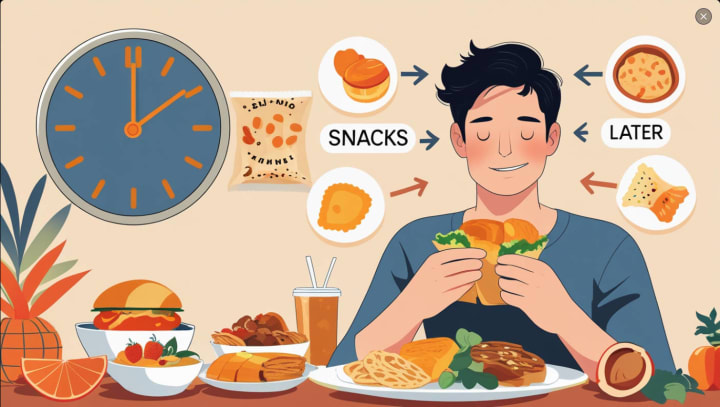
A study in the American Journal of Clinical Nutrition found that people who skipped breakfast were more likely to snack throughout the day and consume larger meals later. This behavior typically results in higher overall caloric intake compared to those who eat breakfast.
Physical Performance
Breakfast provides the necessary energy to start your day. Without it, you might experience decreased physical performance, particularly in activities requiring endurance and strength.
A study in the Journal of the International Society of Sports Nutrition found that athletes who ate breakfast performed better in endurance exercises compared to those who skipped it. The absence of breakfast was linked to lower glycogen stores and reduced stamina.
Protein intake is crucial for muscle recovery, especially after exercise. Skipping breakfast can lead to insufficient protein consumption, hampering muscle repair and growth.
Long-Term Health Risks
Skipping breakfast has been associated with increased risk factors for cardiovascular diseases. Regular breakfast consumption is linked to lower cholesterol levels and reduced risk of heart disease.
Research published in Circulation found that men who skipped breakfast had a 27% higher risk of coronary heart disease compared to those who ate breakfast regularly. Elevated cholesterol levels and hypertension were more common among breakfast skippers.
As mentioned earlier, skipping breakfast may lead to insulin resistance. Over time, this increases the risk of developing type 2 diabetes. A study in Diabetes Care showed that individuals who skipped breakfast had higher insulin resistance compared to those who ate breakfast.
Social and Behavioral Impacts
Skipping breakfast can alter your overall eating patterns, potentially leading to unhealthy eating behaviors. These changes might affect your social life and daily routines.
Breakfast is often shared with family. Skipping it may reduce opportunities for family bonding and impact social relationships. Studies have shown that shared meals are linked to better dietary habits and stronger family connections.
Eating breakfast encourages mindful eating practices, where people pay attention to what and how much they consume. Skipping this meal can lead to more distracted and less mindful eating behaviors throughout the day.

Summary
Overall, stopping breakfast for 30 days can have profound effects on your body and overall health. Key impacts include:
Metabolic changes: Lower resting metabolic rate, altered blood sugar levels, increased cortisol
Psychological impacts: Reduced cognitive function, increased stress, higher risks of depression and anxiety
Nutritional deficiencies: Lower intake of essential macro and micronutrients, potentially leading to deficiencies
Weight management: Increased risk of weight gain due to snacking and overeating
Physical performance: Decreased energy levels and impaired exercise performance
Long-term health risks: Higher risks of cardiovascular disease and type 2 diabetes
Social and behavioral impacts: Altered eating patterns and potential negative effects on social relationships and mindful eating
After reviewing these research findings, I feel that breakfast really is important, though I understand that in real life, many people (including myself) sometimes don't have time to eat it. Perhaps it's best to try to eat something, even if it's just a simple banana or a cup of yogurt, rather than skipping breakfast entirely.
About the Creator
Keep reading
More stories from Pauline Brown and writers in Longevity and other communities.
Best Diets for Rapid Fat Loss
Are you looking to lose weight quickly without harming your health? To lose fat fast, you need the right diet and consistent effort. But with so many diets out there, which ones really work? In this guide, we'll look at the best diets for rapid fat loss.
By Pauline Brown9 months ago in Longevity
Day 4 of Quitting
If this is how sobriety feels, maybe it’s better to go through life a little buzzed… this, along with other hits like, I want to kill myself, I wish I was dead, and I’m going to throw myself off a bridge have been the only thoughts on rotation these past few days. I promise myself that if, in a month, I still feel like this (‘this’ meaning despondent, full of rage, and simultaneously numb) I can go back to smoking. Until mid-February though? Nicotine is off the table.
By sleepy drafts14 days ago in Longevity
Smart phones, Humans and Aliens.
WARNING. I will be tapping into one of your favorite creative tensions: The absurdity of humans worshipping their glowing rectangles as if they were tiny oracles. There’s something deliciously poetic about that contradiction, and it lends itself beautifully to an instructive proviso.
By Novel Allen5 days ago in Poets




Comments
There are no comments for this story
Be the first to respond and start the conversation.