
What are the 4 types of physiotherapy?
Know about Physiotherapy and their types

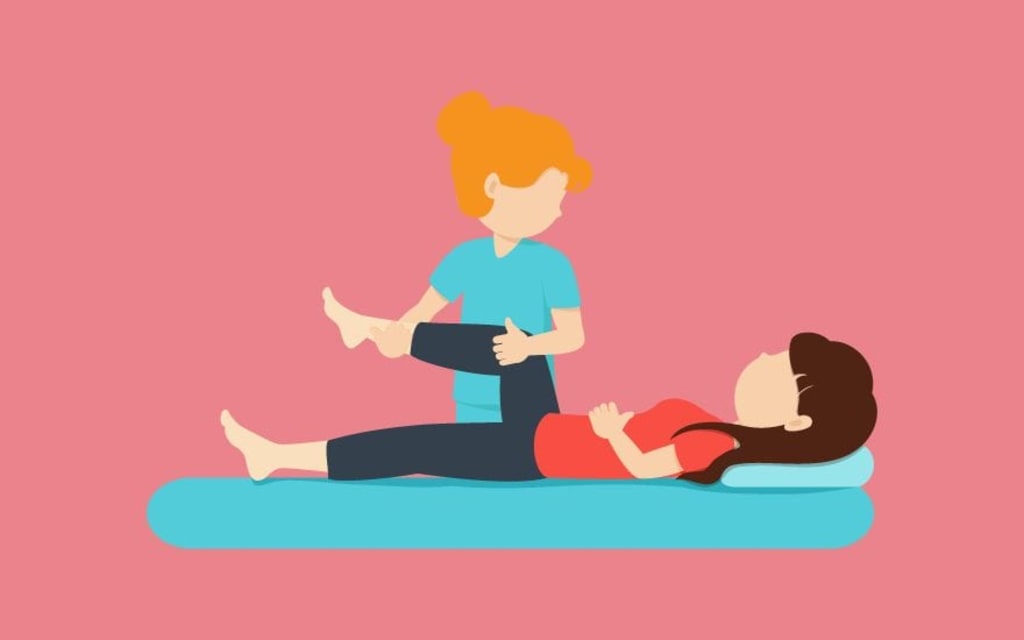
One of the allied health professions is physical therapy, also known as physiotherapy. Physiotherapy is a treatment that aims to restore, maintain, and maximize a patient's mobility, function, and well-being. Physical rehabilitation, injury prevention, and health and fitness are all benefits of physiotherapy. Physiotherapists involve you in your own recovery. Physiotherapists are experts in the science of movement. They learn how to identify the underlying causes of an injury.
Physiotherapy deals with different health issues and injuries across all age groups. There are many types of physiotherapy and their benefits on the list but some of the highlighted are:
1. Musculoskeletal Physiotherapy
Musculoskeletal physiotherapy, also known as orthopedic physiotherapy, is concerned with the treatment and restoration of any musculoskeletal system ailments. Bones, joints, ligaments, tendons, and muscles comprise the musculoskeletal system. This type of physiotherapy treats any type of neck or back pain, fractures, injuries, or sprains in these areas.
A physiotherapist can assist in the diagnosis and treatment of any musculoskeletal injuries or ailments in order to improve mobilization and flexibility. Stretching and balance exercises, cryotherapy, spine manipulation techniques, ice and heat therapy, and other treatments are available. Physiotherapists will suggest a variety of at-home exercises to aid in the healing process.
Benefits of musculoskeletal therapy:
• Improving mobility
• Treat pain
• Treat injuries
• Deal with issues related to PMS and prenatal care
• Treating soft tissue damage
2. Pediatric Physiotherapy
Infants and children are served by pediatric physiotherapy. Physiotherapists assess and treat children with mobility, balance, flexibility, coordination, core stability, and other issues. It focuses on promoting children's growth and development. This type of physiotherapy also aids in the treatment of muscle diseases, birth defects, developmental delays, cerebral palsy, and other conditions. Pediatric therapy can aid in the mental and physical development of children.
Benefits of pediatric therapy:
• Treating any congenital disabilities, genetic disorders, or developmental delays
• Improve motor skills
• Help with posture, gait, balance
• Develop strength and endurance
3. Geriatric Physiotherapy
Geriatric physiotherapy is a service that helps older people who are going through the aging process. The body's metabolism slows down as we age, which can lead to a variety of problems. This therapy may be beneficial in maintaining health as we get older. Geriatric physiotherapy can aid in the maintenance of flexibility and the prevention of injuries in later life.
This type of physiotherapy is also beneficial in the treatment of age-related conditions such as arthritis, Alzheimer's disease, and loss of mobility. It includes treatments to increase mobility, reduce pain, and improve overall health.
Benefits of geriatric therapy:
• Restoring strength, endurance, and mobility
• Treating chronic pain
• Improving posture
• Dealing with age-related ailments
4. Neurological Physiotherapy
Neurological physiotherapy aids in the treatment of nervous system disorders. This type of physiotherapy aids in the treatment of stroke, head and spinal cord injuries, and diseases such as Parkinson's disease, sciatica, multiple sclerosis, and others. These conditions can cause paralysis, loss of sensation, tremors, and other symptoms. Patients suffering from these physical impairments can benefit from neurological physiotherapy in terms of mobility and function.
Benefits of neurological therapy:
• Build strength and coordination
• Improve motor function
• Increase sensation
• Recovery after brain surgery
5. Cardio-respiratory Physiotherapy
Cardio-respiratory physiotherapy is beneficial for people suffering from heart, chest, and lung diseases. Cardio-respiratory therapy can help people recover from COVID-19. It can also help people with asthma, chest infections, and trauma. This therapy can aid in the treatment of a variety of chronic cardiac and respiratory conditions. Cardiorespiratory physiotherapy is a branch of physiotherapy that focuses on the prevention, rehabilitation, and compensation of patients suffering from heart and lung diseases and injuries.
Benefits of this cardio-respiratory therapy:
• Breathing and circulation exercises
• Resistance training
• Helps deal with shortness of breath
• Treat chronic cough
• Rehabilitation for cardiac conditions
For More Information Visit: https://www.theracure.in/physiotheropy/
About the Creator
Day 4 of Quitting
If this is how sobriety feels, maybe it’s better to go through life a little buzzed… this, along with other hits like, I want to kill myself, I wish I was dead, and I’m going to throw myself off a bridge have been the only thoughts on rotation these past few days. I promise myself that if, in a month, I still feel like this (‘this’ meaning despondent, full of rage, and simultaneously numb) I can go back to smoking. Until mid-February though? Nicotine is off the table.
By sleepy drafts11 days ago in Longevity
By Diverting Entire Rivers for Over a Decade, the Netherlands Has Quietly Reshaped Its Coastline and Reclaimed Vast Stretches of Land from the Sea
The Netherlands, long celebrated for its innovative water management, has quietly undertaken one of the most ambitious land reclamation projects in modern history. By diverting entire rivers for over a decade, Dutch engineers have not only reshaped the coastline but also reclaimed vast stretches of land from the sea, a feat that is transforming the country’s geography, economy, and environmental landscape.
By Fiaz Ahmed Brohia day ago in Longevity


Comments (1)
Children of Dysfunctional Families" explores the impact of troubled family dynamics on children's development. Reflect within to understand the lasting effects, fostering empathy and promoting healing for resilient futures. Read: https://reflectwithin.quora.com/Analyzing-the-Effect-in-More-Detail-Children-of-Dysfunctional-Families