
Unreasonable exercise hurts you?
How to exercise properly

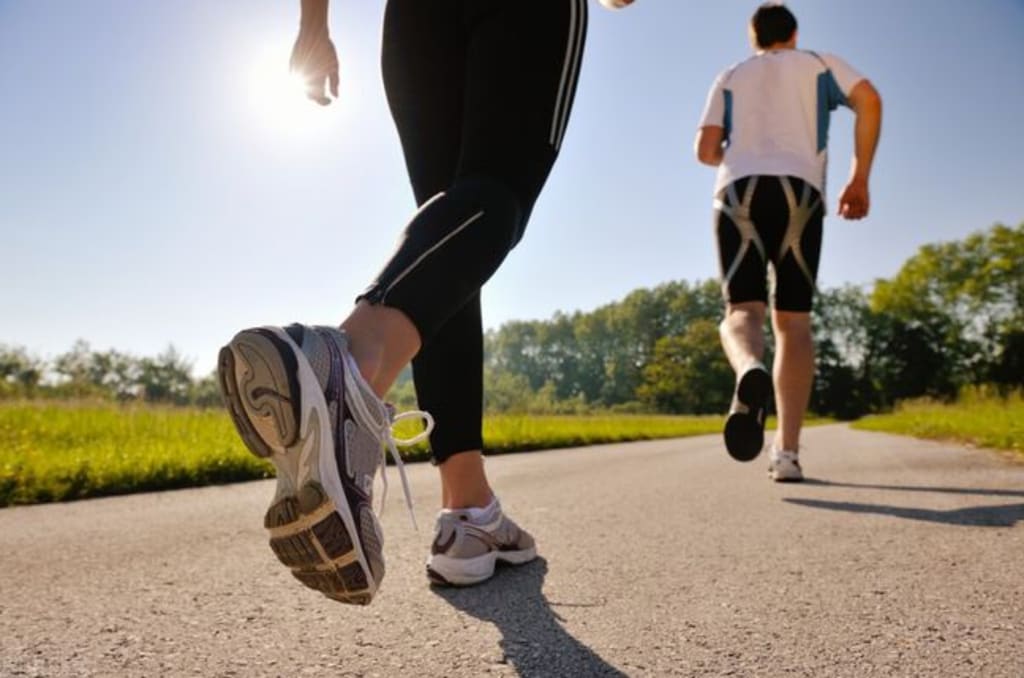
Exercise is a good way to prevent and solve multiple health problems at the same time without spending a penny. When starting our exercise plan, we should first understand some of the risks in exercise to make my exercise safer and more important. Efficient. Please pay attention to the "ten important considerations" that you must know in sports.
1. When you start exercising, you should proceed step by step and do what you can
If you did not have the habit of regular exercise before, you have to do it step by step and do what you can; if you have very little physical activity, you can set a lower level goal when you start exercising, such as 15-20 minutes or 2,000 steps a day The amount of activity, choose the intensity that makes you feel relaxed or a little harder, choose the exercise method you like, give the body enough time to adapt to the change in the amount of activity, and then gradually increase the intensity and time of the activity.
2. Warm-up exercises should be done before exercise
Before exercising, you should do some stretching exercises and do adequate warm-up activities. Warm-up activities can not only increase joint mobility, but also reduce the risk of injury during exercise. Warm-up activities can consist of 5-10 minutes of small or medium-intensity aerobic and muscular endurance exercise.
3. Adjust the exercise method according to the situation of the day
Normal exercise should be adjusted according to the physical and weather conditions of the day, and the amount of exercise and exercise method should be appropriately adjusted. It is not advisable to exercise too early in the cold winter, and exercise in the early morning and evening as far as possible. Try not to do outdoor sports on a haze day, and try not to do outdoor sports on a haze day. Don’t block your lungs, which are already heavily loaded. You can do something like sit-ups, planks, and small exercises at home. Yan Fei, stretching exercises, etc.
Four, running should choose a safe and flat road and suitable shoes
Walking and running exercise lasts for a long time. Choose a safe and flat road, wear comfortable clothes and suitable footwear; running has a greater impact on human ankles, knees, arches and other joints, so the comfort of shoes is more demanding . The best choice for running shoes is to put on thick cotton socks and feel comfortable and breathable.
5. It is not advisable to exercise immediately after a meal, and it is not advisable to eat immediately after strenuous exercise
It is not advisable to exercise immediately after a meal. Some light activities, such as walking, stretching, etc., can be carried out half an hour after a meal. Strenuous exercise, such as running, playing ball, yoga, etc., should be performed at least 2 hours after meals.
Exercising vigorously immediately after a meal can make the blood that is participating in the digestion of the stomach and intestines flow to the muscles and other organs that exercise, so the digestion and absorption functions will be inhibited. It can also cause abdominal pain and discomfort due to gastrointestinal vibration and mesenteric involvement; in addition, sympathetic nerves are excited during exercise, and the secretion of adrenaline is greatly increased, which can also weaken the peristalsis of the gastrointestinal tract and reduce the secretion of digestive glands. . If you eat immediately after intense exercise, it can also cause symptoms such as loss of appetite and indigestion. Generally speaking, it is more appropriate to rest for half an hour or more after exercise, and then to eat.

6. Pay attention to heart rate changes during exercise to ensure safety
Pay attention to heart rate changes during exercise. Healthy adult men and women generally use 220 minus age to estimate the maximum heart rate. For people under 40, the estimated value is lower than the actual value, and for people over 40, the estimated value is higher than the actual value. It is recommended that the elderly do not exceed 70% of the maximum heart rate during exercise.
7. Don't stop the activity immediately after strenuous exercise, you should relax gradually.
During strenuous exercise, due to the strong contraction of the muscles of the limbs, a large amount of venous blood will flow back to the heart quickly, and the heart will then send nutritious arterial blood to the whole body, and the blood circulation is extremely fast. However, if you stop and rest immediately after strenuous exercise, a large amount of venous blood in the limbs will accumulate in the veins, the heart will be ischemic, and the brain will suffer from dizziness, nausea, vomiting, shock and other hypoxia due to insufficient blood supply to the heart. symptom. Therefore, just after strenuous exercise, you should do some relaxation and adjustment exercises. For example, after a long run, gradually change to jogging, take a few more steps, rub your legs, or do some stretching, relaxation exercises, and take a few deep breaths. This can slowly stabilize the rapid blood circulation. Let the body gradually return to normal.
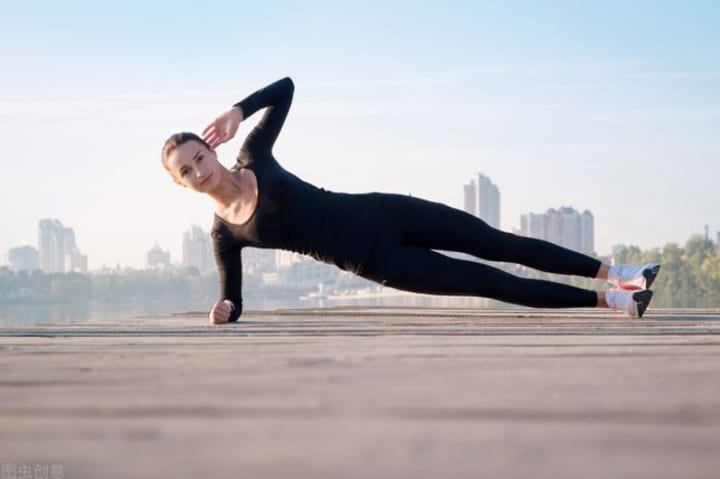
8. Muscle strength training should be carried out every other day to avoid excessive resistance load
Muscle strength training generally exercises the load capacity of the muscles. If the exercise load is excessive, it will force the muscles to work with greater intensity. Inappropriate overload may reduce and offset the effect of training, and even cause injury. The trainer's practice must have a progressive process, and it must not be promoted.
9. After strenuous exercise, it is not advisable to replenish too much water at one time
Do not drink a lot of water at a time when exercise is strong and sweat a lot. After strenuous exercise, if you replenish too much water at one time, the extracellular fluid has too much water and less electrolytes, there is a risk of water poisoning. Drink it slowly, add water and salt appropriately, or drink sports drinks.

10. Some patients with chronic diseases should exercise under the guidance of professionals
Patients with cardiovascular diseases such as osteoarthropathy, osteoporosis, hypertension, diabetes, coronary heart disease should exercise under the guidance of doctors and professionals. For individuals with diagnosed or insidious cardiovascular disease, the risk of sudden cardiac death and myocardial infarction will increase during heavy physical activity. Therefore, special attention should be paid to the possible risks during exercise.
In addition, when individuals are engaged in some professional sports, it is best to have professionals to accompany and guide them, so as to reduce the risk of occurrence, and to help correct their posture and exercise methods.
Although exercise is good, you should do what you can. It is also very important to formulate appropriate scientific exercise methods according to your physical condition.
About the Creator
Keep reading
More stories from writers in Longevity and other communities.
Day 4 of Quitting
If this is how sobriety feels, maybe it’s better to go through life a little buzzed… this, along with other hits like, I want to kill myself, I wish I was dead, and I’m going to throw myself off a bridge have been the only thoughts on rotation these past few days. I promise myself that if, in a month, I still feel like this (‘this’ meaning despondent, full of rage, and simultaneously numb) I can go back to smoking. Until mid-February though? Nicotine is off the table.
By sleepy drafts16 days ago in Longevity
Global Multiple Myeloma Market Size and Forecast 2025–2033
Introduction: A Transformational Era for Multiple Myeloma Treatment The Global Multiple Myeloma Market is undergoing a significant transformation as scientific innovation, improved diagnostics, and rising healthcare investments converge to redefine patient outcomes. According to Renub Research, the market was valued at USD 21.78 billion in 2024 and is projected to reach USD 40.41 billion by 2033, expanding at a CAGR of 7.11% during the forecast period 2025–2033.
By Renub Research2 days ago in Longevity
📢 Raise Your Voice Thread: 01/22/2026
Our “Raise Your Voice Threads” are hosted most alternating Thursdays at 12PM ET to offer creators more avenues to uncover exceptional stories on Vocal. As we are continuously searching for fresh creators and inspiring stories, this thread provides an opportunity to exchange and discuss the stories that have moved and motivated us on Vocal.
By Raise Your Voice by Vocala day ago in Resources




Comments
There are no comments for this story
Be the first to respond and start the conversation.