
Understanding the WS2815 LED Strip: A Neutral Guide
Exploring features, applications, and considerations of WS2815 strips without direct promotion.


The WS2815 LED strip has become one of the most widely used lighting solutions among makers, designers, and installers who require reliable, addressable lighting over long runs. This article explores its technical features, typical applications, and installation considerations — using information from a LED strip manufacturer, technical documentation for WS2815 LED strip, and general background on LED strip light technology.
What is an LED Strip Light?
An LED strip light is a flexible circuit board with surface-mounted LEDs and associated components. According to the LED strip light reference, these strips are designed for accent lighting, task lighting, and decorative applications. They are available in various voltages, densities, and IP ratings, which define where and how they can be installed.
What Makes the WS2815 LED Strip Unique
The WS2815 LED strip operates at 12V, making it less susceptible to voltage drop compared to 5V options. Its most notable feature is the dual-signal design — if one LED fails, the signal bypasses the dead pixel and continues, maintaining data transmission. Each LED is individually addressable, enabling pixel-level animations and color effects.
For detailed specifications, wiring diagrams, and datasheets, you can visit the WS2815 LED strip page provided by the LED strip manufacturer.
Benefits of Addressable LED Technology
Unlike traditional single-color strips, addressable strips such as WS2815 allow you to program each LED independently. This enables:
- Dynamic visual effects – smooth color transitions, chases, and gradients.
- Precise color control – choose any RGB value for each pixel.
- Custom animations – ideal for interactive installations, retail signage, and stage lighting.
How WS2815 Compares to Other Options
When evaluating WS2815 versus other chipsets:
- Voltage: WS2815 uses 12V, allowing longer runs with less brightness loss.
- Backup signal: Improves reliability compared to WS2812 or SK6812.
- Protocol compatibility: Most WS2812 libraries and controllers work with WS2815, which simplifies upgrades.
Planning and Installation Considerations
As with any LED installation, careful planning ensures consistent results:
- Power calculation: Determine total current draw per meter, select a power supply with overhead capacity, and plan multiple injection points for long runs.
- Signal integrity: Long data lines may need level shifters to prevent signal degradation.
- Mounting: Use aluminum channels for heat dissipation and mechanical protection.
- Weatherproofing: Choose an appropriate IP rating (IP20 for indoor, IP65/IP67 for outdoor use).
Typical Applications
The WS2815 is commonly used in:
- Architectural cove lighting where long runs are required.
- Home theater ambient lighting for bias illumination.
- Art installations requiring smooth gradients over several meters.
- Stage and event setups where reliability is crucial.
These use cases highlight why professionals and hobbyists often prefer WS2815 when project requirements include long continuous runs and robust fault tolerance.
The Role of LED Strip Manufacturers
Choosing the right LED strip manufacturer is as important as selecting the correct chipset. A good manufacturer provides clear datasheets, wiring guidance, and quality assurance testing, ensuring that the strips you buy perform to specification.
Troubleshooting and Maintenance
Flickering LEDs: Often caused by insufficient power or poor data signal quality.
Uneven brightness: Indicates voltage drop; inject power at additional points.
Pixel failures: WS2815’s backup signal prevents full-strip failure, but replacing damaged sections maintains optimal appearance.
Final Thoughts
The combination of 12V operation, dual-signal reliability, and addressable control make the WS2815 LED strip a versatile solution for advanced lighting projects. When sourcing products, consult a reputable LED strip manufacturer and review background material like the LED strip light reference to ensure you understand the technology. This balanced approach helps achieve professional results while staying within safety and performance guidelines.
About the Creator
Keep reading
More stories from charliesamuel and writers in Longevity and other communities.
The Importance of Stainless Steel Pipes and Reliable Pipeline Metal Suppliers
Modern infrastructure depends heavily on durable, safe, and efficient materials — and one of the most important among them is the stainless steel pipe. Known for its corrosion resistance, strength, and versatility, stainless steel has become an essential component in industries ranging from construction to food processing. While many materials have come and gone, stainless steel continues to prove its value as a long-lasting solution for fluid transport, structural support, and specialized applications.
By charliesamuel6 months ago in Longevity
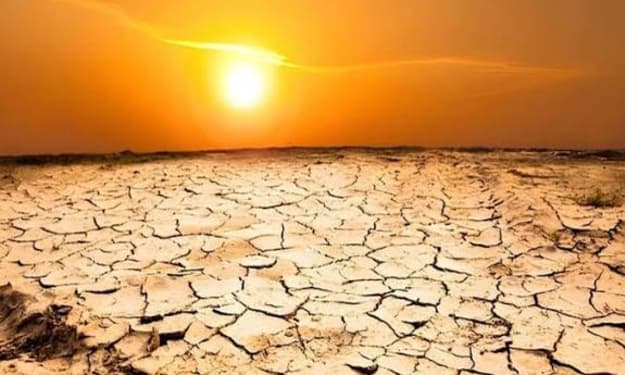
Met Office Forecasts Dry Weather for Sindh
The Pakistan Meteorological Department has issued a forecast indicating that Sindh province is expected to experience a prolonged period of dry weather over the coming weeks. Meteorologists say the region will see little to no rainfall, with temperatures remaining above seasonal averages, raising concerns about agriculture, water resources, and public health. According to the Met Office, a high-pressure system over the Arabian Sea and the Indian subcontinent is likely to dominate weather patterns in Sindh for the next fortnight. This atmospheric configuration inhibits cloud formation, leading to clear skies and minimal precipitation. Forecasts predict daytime temperatures in major cities, including Karachi and Hyderabad, to hover between 28°C and 34°C, slightly above the long-term average for this period. Nighttime temperatures are expected to remain mild, ranging from 18°C to 22°C. The dry spell comes at a critical time for the agricultural sector. Sindh is a major contributor to Pakistan’s wheat, sugarcane, and rice production. Farmers are being advised to monitor soil moisture levels carefully and consider supplemental irrigation for crops at sensitive growth stages. Prolonged dry conditions can affect germination, yield, and quality, particularly for wheat crops that rely on moderate rainfall in the final stages before harvest. Water resource management is also expected to become a key challenge. Reservoirs and canals in Sindh, which depend on upstream flows from the Indus River system, are already operating at variable levels due to reduced inflows and increased water demand. Local authorities are monitoring water distribution closely, emphasizing conservation measures and urging residents to avoid excessive usage. In some districts, water rationing plans may be activated if the dry period persists. Public health officials have cautioned about potential heat-related risks. Although the current temperatures are not extreme, prolonged dry conditions can exacerbate health issues, particularly for vulnerable populations such as the elderly, children, and people with preexisting medical conditions. Heat stress, dehydration, and respiratory issues may become more common if residents do not take appropriate precautions. Health authorities recommend staying hydrated, avoiding prolonged exposure to the sun during peak hours, and ensuring access to cool environments. The Met Office also noted that dust storms and haze could occur in some areas due to the dry conditions combined with occasional strong winds. These phenomena can reduce visibility and impact road traffic, aviation, and outdoor activities. Residents are advised to take safety precautions, particularly when traveling, and to follow local advisories regarding dust and air quality. Economists have warned that the dry spell could have indirect effects on local markets. Reduced crop output may drive up food prices, especially for wheat, rice, and vegetables, affecting household budgets and contributing to inflationary pressures. Traders and suppliers are being advised to monitor market conditions and plan accordingly to avoid shortages or sudden price hikes. Despite the dry weather, meteorologists have noted that this pattern is part of a natural seasonal variation. Sindh typically experiences dry periods during the pre-monsoon and post-winter seasons, and occasional heat waves are not unusual. However, experts also emphasize that climate change may be altering rainfall patterns, leading to longer dry spells and more unpredictable weather events. Continuous monitoring and early warning systems are essential to mitigate risks to agriculture, water supplies, and public health. Authorities in Sindh have urged residents and local businesses to remain vigilant. Farmers should adopt efficient irrigation practices, municipal agencies should ensure water distribution networks function effectively, and the public should take measures to protect health and safety. Collaboration between government departments, meteorological agencies, and the community will be crucial in managing the impacts of this dry period. Looking ahead, the Met Office expects the dry spell to continue into late March, with little relief from rainfall until the onset of the pre-monsoon showers. While temperatures are likely to remain moderate, the persistence of dry weather underscores the need for careful planning and resource management in Sindh. Residents are encouraged to stay updated with official forecasts and advisories to minimize the effects of prolonged dry conditions on daily life and livelihoods.
By Fiaz Ahmed a day ago in Longevity
4 Surprising Truths About Nanoparticles In Your Soda
The Unseen World in Your Grocery Cart Imagine grabbing a can of soda or a packaged snack from your pantry. It's a simple, everyday act. Yet, hidden within that familiar fizz and sweetness is a technological frontier most of us never consider: the world of nanomaterials. Current research reveals that many of the foods and drinks we consume may contain engineered or unintentionally formed particles so small they are invisible to the naked eye. This article will explore four of the most surprising and impactful facts we are learning about nanotechnology in our food system, based on current research and analysis.
By The INFORMER6 days ago in Longevity
Pearl
1980 something. we all hung out at Pearl and you and i were nothing special, or so i thought. i mean we all danced, drenched in our own sweat, our own saline solution of fear, too many beers, shots, laughter, tears, fucks in the bathroom and i don't know when we began to be afraid. do you?
By ROCK aka Andrea Polla (Simmons)6 days ago in Fiction



Comments
There are no comments for this story
Be the first to respond and start the conversation.