
Understanding Obsessive-Compulsive Disorder (OCD)
People with OCD may have obsessions, compulsions, or both.

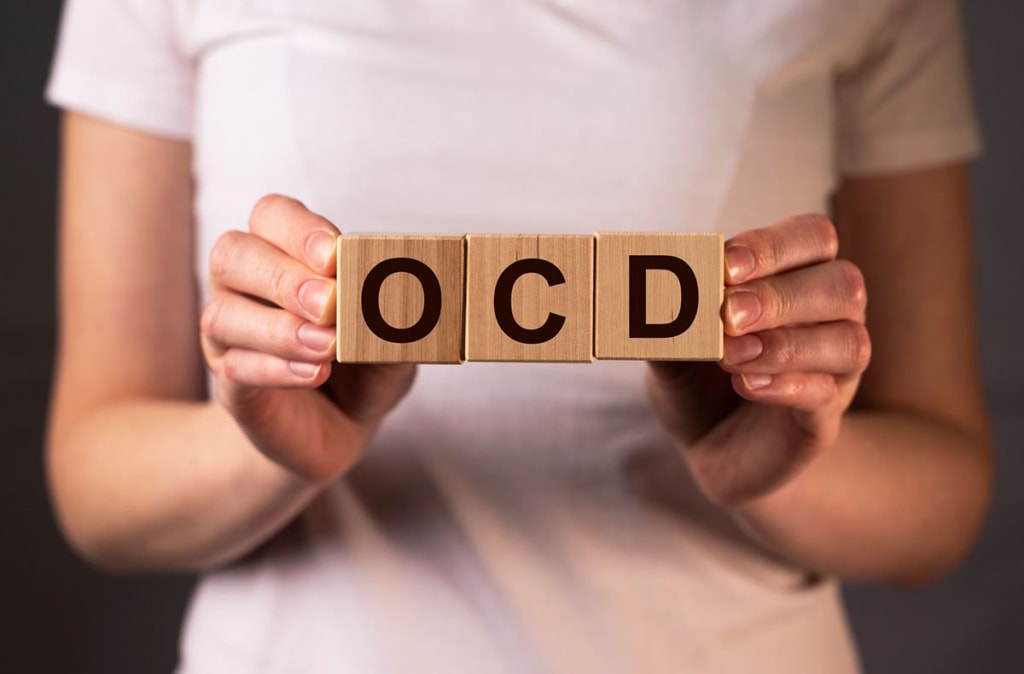
Obsessive-compulsive disorder (OCD) is a long-lasting disorder in which a person experiences uncontrollable and recurring thoughts (obsessions), engages in repetitive behaviors (compulsions), or both. People with OCD have time-consuming symptoms that can cause significant distress or interfere with daily life. People with OCD may have obsessions, compulsions, or both. Obsessions are repeated thoughts, urges, or mental images that are intrusive, unwanted, and make most people anxious. While many people casually refer to themselves as “OCD” when describing hyper specific behaviors, true OCD is a serious disorder that can significantly impact an individual’s daily functioning and quality of life. To understand OCD, it is important to learn about its actual symptoms and dismantle common misconceptions about OCD.
As the name suggests, Obsessive-Compulsive Disorder (OCD) has two main sets of behaviors, Obsessions and Compulsions. Common obsessions are often related to fear of germ contamination aka germaphobe, involuntary and intrusive thoughts, specificity when it comes to shapes, patterns and symmetry. Compulsions often occur when the aforementioned obsessions are repeated and when a person who has OCD feels the urge to do them, often in response to an obsession. Examples of compulsive behaviours are, excessively cleaning around the house or washing hands, arranging and reordering items or articles of clothes to satisfy a particular pattern or maintain symmetry, constantly checking if things are in the right place or checking if all the electrical outlets around the house are turned off etc. Although compulsions are a result of repetitive obsessions, not all obsessions turn into compulsions and often people with OCD do not realize the excessive nature of their compulsions. OCD symptoms may begin showing themselves between late childhood and young adulthood. Most people with OCD are diagnosed as young adults. The symptoms of OCD may start slowly and can go away for a while or worsen as time passes.
Many people mistakenly assume that they have OCD because they find themselves engaging in behaviours that are organized or specific. While these traits can be associated with OCD, they do not, in themselves, constitute the disorder. All the common behaviours that are misconstrued as having OCD are, excessive cleanliness, constantly double-checking and the need for perfection. Although these can be attributed to OCD, these are very common occurrences in people’s lives. These common behaviours are often a result of general anxiety or lifestyle choices, whereas in OCD these behaviours are brought upon by fear and significantly impact their lives.
Obsessive-Compulsive Disorder is a serious and debilitating condition that goes beyond preferences for order or cleanliness. While many people may have traits or behaviours that resemble OCD, true OCD involves fears, intrusive obsessions and compulsions that cause significant distress and impact quality of life significantly.
Treatment for OCD helps many people, even those with the most severe forms of OCD. Mental health professionals may use different models of psychotherapy such as Cognitive Behavioral Therapy and Exposure Therapy etc. Further, they may also prescribe medication that will work in tandem with psychotherapy to relieve some anxiety that comes along with OCD. A mental health professional from ImPerfect can help you decide which treatment option is best for you and explain the benefits and risks of each.
Vision
To provide the best counselling and psychotherapy in Mumbai and across the globe through online therapy, using direct problem-focused, solution-driven approaches to increase client autonomy, independence and self-reliance in improving their mental health in relatively short periods of time.
Our approach
We use an empathetic, collaborative approach in understanding the client’s goals and aspirations of therapy. In therapy, the creation of a safe non-judgmental environment benefits the exploration of your true self and discover what path you wish to take. You, as the client have the right to have the information regarding the qualifications, training and experience of your therapist. It is your responsibility to seek out this information from them.
About the Creator
iDigitize Infotech LLP
We at iDigitize, elevate Brands with impactful digital marketing experiences & web development services. From developing your web presence to conveying your brand’s story, we align design & development with effective strategies
Keep reading
More stories from iDigitize Infotech LLP and writers in Longevity and other communities.
Why Does Therapy Look Different With Different Therapists?
Therapy in general is a highly individualized process, this means that therapists have their own set of tools that they use to help their clients and clients also have their own set of problems that they are trying to get help for. This individuality creates a space where therapists and their clients can discuss what and how they will target the clients problem to better their mental health. Therapists have their own methods as mentioned above, these methods are a result of several factors, such as the therapist’s training and experience, the specific needs and preferences of the client. The therapist may also have their preferred type of therapy model, some of the models are:
By iDigitize Infotech LLP2 years ago in Longevity
The Invisible Full-Time Job: Living With Chronic Pain While Trying to Keep Life Together
Most people think of a job as something you clock in and out of. A defined place where effort produces results. But when you live with chronic pain, you are working a second job every day—one that no one can see.
By Navigating the World3 days ago in Longevity



Comments